Starting a vegetable garden doesn't have to be complicated or overwhelming. Many beginners worry about choosing the wrong plants or failing to get a harvest, but some vegetables are naturally forgiving and thrive across most climates. The easiest vegetables for beginners in zones 3–10 include leafy greens like lettuce and spinach, root crops such as radishes and carrots, and simple-to-grow plants like zucchini and herbs, all of which require minimal care and produce reliable harvests. These plants tolerate different weather conditions, grow quickly, and give new gardeners the confidence to keep learning.
Climate zones matter because they determine what grows well in each region. A gardener in zone 3 experiences colder winters than someone in zone 9, but both can grow many of the same beginner-friendly vegetables with small adjustments to planting times. Understanding which plants work best in each zone helps avoid frustration and wasted effort.
This guide breaks down the top vegetables for new gardeners across zones 3–10. It covers leafy greens, root vegetables, warm-season crops, and herbs that succeed without complicated techniques. Readers will also find practical tips on timing, pest management, and planning a productive garden from the start.
Key Takeaways
- Beginners should focus on fast-growing, low-maintenance vegetables like leafy greens, radishes, and herbs that thrive in zones 3–10
- Understanding your hardiness zone and frost dates helps determine the best planting times for reliable harvests
- Simple garden planning and basic pest management strategies increase success rates for first-time vegetable growers
Understanding Plant Hardiness Zones and Frost Dates
Hardiness zones help gardeners know which plants will survive winter in their area, while frost dates tell them when it's safe to plant. These two pieces of information work together to guide planting schedules and plant selection.
What Is a Hardiness Zone?
The USDA Plant Hardiness Zone Map divides North America into 13 zones based on average minimum winter temperatures. Each zone differs by 10°F, helping gardeners choose plants that can survive their coldest weather.
Zone 3 experiences temperatures as low as -40°F to -30°F. Zone 10 stays much warmer at 30°F to 40°F minimum. Most zones split further into "a" and "b" sections for more precision.
The USDA updated the plant hardiness map in 2023 using weather data from 1991 to 2020. Many areas shifted to warmer zones because of changing climate patterns. Gardeners who last checked their zone years ago should look it up again.
These zones primarily guide perennial plant selection. For vegetable gardens, zones matter less since most vegetables grow as annuals. However, the USDA plant hardiness zones still help determine growing season length and frost timing.
How to Find Your Zone and Important Frost Dates
Gardeners can find their USDA zone by entering their ZIP code into the USDA Plant Hardiness Zone Map lookup tool. The online map shows zone boundaries in color-coded sections across the country.
Last frost date marks when spring's final frost typically occurs. First frost date indicates when fall's first frost usually arrives. These dates matter more than zone numbers for vegetable planting timing.
| USDA Zone | Last Spring Frost | First Fall Frost |
|---|---|---|
| Zone 3 | May 15 – June 1 | Sept 1 – Sept 15 |
| Zone 5 | April 15 – May 1 | Oct 1 – Oct 15 |
| Zone 7 | March 15 – April 1 | Oct 15 – Nov 1 |
| Zone 9 | Feb 1 – March 1 | Nov 15 – Dec 15 |
Frost dates vary within each zone based on local conditions. Elevation, nearby water, and urban areas all affect when frost occurs.
Why Zones 3–10 Are Ideal for Beginner Vegetable Gardens
Zones 3 through 10 cover nearly all of the lower 48 states where most American gardeners live. These zones offer predictable growing seasons that make planning easier for beginners.
Zone 3 provides about 90 days between frosts. Zone 10 allows year-round planting with rare frost events. Zones in between offer 100 to 200+ day growing seasons with clear start and end points.
Beginners benefit from defined seasons because they learn when to plant and harvest. Cold winter zones force plants into dormancy, creating natural reset points each spring. Warmer zones allow multiple plantings per year once gardeners gain experience.
Most seed packets and growing guides focus on zones 3 to 10. Garden centers stock plants suited to these zones. Online resources provide detailed planting schedules for this range.
Top Easiest Vegetables to Grow for Beginners
Starting with vegetables that germinate quickly and tolerate various growing conditions helps new gardeners build confidence. Lettuce grows fast in cool weather, radishes mature in just three weeks, tomatoes produce abundant fruit all summer, and green beans thrive in most climates with minimal fuss.
Lettuce and Lettuce Varieties
Lettuce (Lactuca sativa) ranks among the easiest vegetables to grow because it tolerates both full sun and partial shade. New gardeners can choose from multiple varieties including butterhead, loose-leaf, romaine, and oak leaf types.
Most lettuce varieties take 30-50 days to reach full size. Beginner gardeners can harvest outer leaves early for sandwiches while letting the plant continue growing. This "cut and come again" method extends the harvest period.
Best conditions for lettuce:
- Plant in early spring or fall for cool weather
- Provide consistent moisture
- Space plants 6-8 inches apart
- Use row covers in hot weather
Lettuce grows well in containers, raised beds, or traditional garden rows. The shallow roots make it perfect for small spaces. Many varieties resist common pests naturally, though gardeners should watch for slugs in damp conditions.
Radishes
Radishes are the fastest-growing vegetables available to beginner gardeners. These fast-growing vegetables mature in just 20-30 days from seed. The quick results help new gardeners stay motivated while learning basic garden skills.
Direct sowing works best for radishes since they dislike transplanting. Plant seeds half an inch deep and one inch apart in loose, well-draining soil. Thin seedlings to 2-3 inches apart once they emerge.
Radish growing timeline:
- Days 3-7: Seeds germinate
- Days 10-14: First true leaves appear
- Days 20-30: Ready to harvest
Radishes prefer cool weather and can be planted in early spring or fall. They tolerate light frosts well. The roots become woody and bitter in hot weather, so successive planting every two weeks works better than one large planting.
Tomatoes and Cherry Tomatoes
Tomatoes produce heavy yields throughout the summer growing season. Cherry tomatoes are particularly easy for beginners because they resist diseases better than large tomato varieties. Popular beginner-friendly types include 'Sungold,' 'Sakura,' and 'Sweet 100.'
Starting tomatoes indoors 6-8 weeks before the last frost gives plants a head start. Wait until soil temperatures reach 60°F before transplanting outside. Cold temperatures below 50°F can stunt growth permanently.
Essential tomato care:
- Provide full sun (8+ hours daily)
- Install stakes or cages at planting time
- Water deeply 1-2 inches per week
- Remove suckers (growth between main stem and branches)
Cherry tomatoes need support since vines grow 4-8 feet tall. Remove lower leaves as fruits ripen to improve air circulation. Harvest tomatoes when fully colored and slightly soft to the touch.
Green Beans and Bush Beans
Green beans grow reliably in zones 3-10, making them ideal easy-to-grow vegetables for most regions. Bush beans require less space than pole varieties and don't need trellising. They produce harvestable pods in 50-60 days.
Plant bush beans after the last spring frost when soil warms to at least 60°F. Sow seeds 1 inch deep and 3-4 inches apart in rows. Beans fix nitrogen in the soil, improving it for future crops.
Bush beans produce one concentrated harvest over 2-3 weeks. Planting every two weeks creates a continuous supply. Pick beans when they snap cleanly in half but before seeds bulge inside the pods.
These plants tolerate various soil types as long as drainage is adequate. Water regularly during flowering and pod formation. Avoid touching plants when wet to prevent spreading fungal diseases. Japanese beetles can damage foliage, but floating row covers provide effective protection until flowers appear.
Best Leafy Greens for Zones 3–10
Leafy greens adapt well to most climate zones and offer quick harvests with minimal care requirements. These vegetables tolerate cool weather and can be planted early in spring or late summer for fall crops.
Spinach
Spinach thrives in zones 3–10 and performs best in cool weather conditions. Gardeners can plant it in early spring, about 6 weeks before the last frost, or in late summer for a fall harvest. The plants reach maturity in 40–65 days depending on variety.
This leafy green grows well in nutrient-rich, well-draining soil with a pH between 6.5 and 7.0. Regular watering keeps the leaves tender and prevents bitterness. Spinach needs about 6 hours of sunlight daily, though partial shade helps in warmer zones.
Hot weather causes spinach to bolt, which means it produces flowers and seeds instead of leaves. To prevent this, gardeners should plant early or choose slow-bolting varieties in zones 7–10.
Swiss Chard and Chard
Swiss chard grows reliably across zones 3–10 and tolerates both heat and cold better than most leafy greens. The plants produce colorful stems in red, yellow, orange, or white, making them attractive as well as productive. Gardeners can harvest leaves in 50–60 days.
This vegetable prefers full sun but tolerates partial shade in hot climates. It grows in most soil types as long as drainage is adequate. Swiss chard continues producing new leaves when gardeners cut outer stalks first, leaving the center to keep growing.
The plant withstands light frosts and keeps producing well into fall in colder zones. In zones 8–10, it often grows through winter without protection.
Arugula
Arugula is a fast-growing leafy green that does well in zones 3–10. It matures in just 30–40 days, making it one of the quickest vegetables to harvest. The leaves have a peppery flavor that adds interest to salads and sandwiches.
This green prefers cool weather and can be planted as soon as the soil can be worked in spring. In warmer zones, arugula grows best in spring and fall. Hot temperatures cause the plant to bolt quickly and make leaves bitter.
Arugula needs regular moisture and grows well in partial shade during warmer months. Gardeners can make multiple plantings every 2–3 weeks for continuous harvests throughout the growing season.
Mustard Greens
Mustard greens grow well in zones 3–10 and provide a spicy addition to meals. These plants mature in 40–50 days and produce tender leaves that are tastiest when harvested young. Cold weather actually improves their flavor.
The plants tolerate both spring and fall planting across all zones. In zones 8–10, gardeners can grow mustard greens through winter. They need full sun in cooler zones but benefit from afternoon shade in hot climates.
Mustard greens grow quickly with regular watering and fertile soil. Like other leafy greens, they can be harvested multiple times by cutting outer leaves while leaving the center to continue producing.
Productive Root Vegetables for Beginners
Root vegetables grow underground and offer reliable harvests with less maintenance than many above-ground crops. They store well after harvest and tolerate cooler temperatures, making them practical choices across multiple growing zones.
Carrots
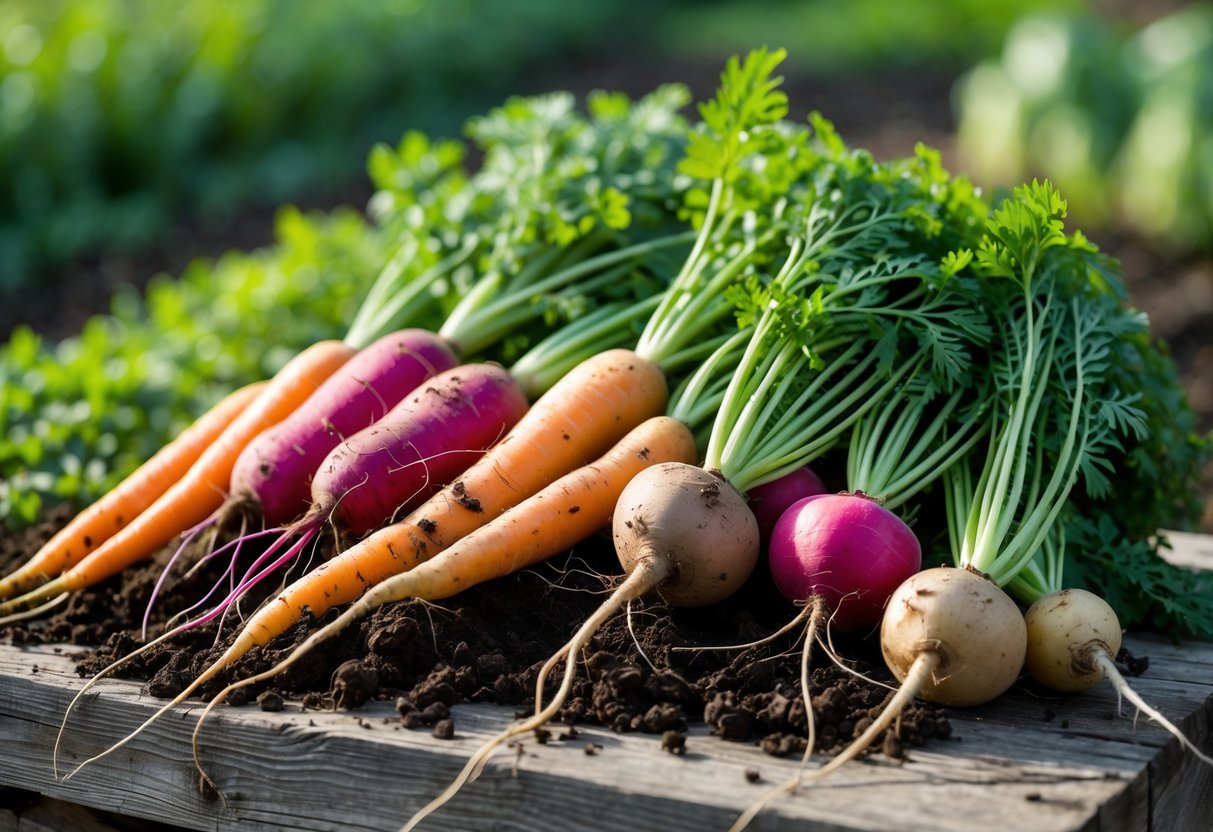
Carrots thrive in zones 3-10 and prefer loose, well-drained soil without rocks or debris. Hard soil causes the roots to grow crooked or split. Gardeners should mix sand or compost into clay-heavy soil before planting.
Seeds need 70-80 days to mature after planting. Spring planting works in all zones, while fall planting succeeds in zones 7-10. Carrots taste sweeter after a light frost.
Common challenges:
- Carrot flies lay eggs near plants, and their larvae tunnel into roots
- Row covers prevent adult flies from reaching plants
- Planting onions nearby helps repel these pests
Harvest occurs when roots reach 1/2 to 1 inch across at the top. Leaving them too long makes them woody and bitter.
Beets
Beets grow quickly and produce two crops in one: the roots and the leafy greens on top. Both parts are edible and nutritious. These vegetables handle cool weather well and mature in 55-70 days.
Seeds can go in the ground as soon as soil can be worked in spring. For zones 7-10, a second planting 8-10 weeks before the first fall frost produces a late harvest. Each seed pod contains multiple seeds, so thinning seedlings to 3-4 inches apart is necessary.
Beets need consistent moisture but not waterlogged soil. They grow best in full sun but tolerate partial shade better than most root vegetables. Harvest when roots reach 1-3 inches in diameter for the best flavor and texture.
Turnips and Parsnips
Turnips mature fast, ready in just 40-60 days, making them ideal for beginners who want quick results. They prefer cool weather and taste better when grown in spring or fall. The greens can be harvested separately while roots continue growing.
Parsnips take longer at 100-120 days but require minimal care once established. They need cold weather to develop their sweet flavor. A hard frost actually improves their taste by converting starches to sugars.
Both vegetables prefer deep, loose soil for straight root development. They tolerate poor soil better than carrots but still produce better crops in rich, well-drained ground. Harvest turnips at 2-3 inches diameter and parsnips after at least one hard frost.
Potatoes and Sweet Potatoes
Potatoes grow in zones 3-10 and produce large yields from small spaces. Seed potatoes (small potatoes with eyes) go into the ground in early spring, 2-4 weeks before the last frost. They need 70-120 days depending on variety.
Hilling soil around plants as they grow protects developing tubers from sunlight, which turns them green and bitter. Harvest begins when plants flower or when foliage dies back and turns yellow.
Sweet potatoes need warmer conditions and thrive in zones 5-10. They require 90-120 days of warm weather and won't tolerate frost. Slips (rooted sprouts) planted after soil reaches 60°F produce the best results.
Both types store for months in cool, dark, dry locations. Cure sweet potatoes at 85°F for 7-10 days before storage to improve sweetness and shelf life.
Warm-Season Favorites: Squash, Cucumbers, and Peppers
These heat-loving crops thrive when soil temperatures reach 65°F and produce heavily throughout summer. Squash, cucumbers, and peppers handle warm weather better than most vegetables, making them reliable choices for beginner gardeners across zones 3–10.
Zucchini and Summer Squash
Zucchini and other summer squash varieties rank among the most productive vegetables for beginners. A single plant can yield 7 pounds of squash per square foot when grown properly.
These plants need full sun and consistent moisture to produce well. Plant seeds directly in the garden 1–2 weeks after the last frost date when soil warms to at least 65°F.
Squash bugs are the main pest threat. Check leaf undersides weekly for clusters of bronze eggs and remove them immediately. Handpick adult bugs in early morning when they move slowly.
Space plants 24–36 inches apart to allow good air circulation. Harvest zucchini when fruits reach 6–8 inches long for the best flavor and texture.
Cucumbers
Cucumbers (Cucumis sativus) grow quickly and produce abundant harvests within 50–70 days. These vining plants prefer warm soil above 60°F and won't tolerate any frost.
Gardeners can choose between bush types for containers and vining varieties that need trellises. Trellised cucumbers stay cleaner and develop straighter fruits.
Water cucumber plants deeply 2–3 times per week. Inconsistent moisture causes bitter-tasting fruits.
Pick cucumbers every 1–2 days once plants start producing. Leaving overripe fruits on the vine signals the plant to stop making new ones.
Peppers and Bell Peppers
Peppers handle heat better than most vegetables and keep producing when temperatures climb into the 90s. Bell peppers and hot pepper varieties both need 70–85°F soil to grow well.
Start pepper seeds indoors 8–10 weeks before the last frost. These plants grow slowly from seed and benefit from the extra time.
A single pepper plant can produce 22 fruits under good conditions. Feed plants monthly with balanced fertilizer to support heavy production.
Peppers need consistent moisture but don't tolerate wet soil. Apply 2–3 inches of mulch around plants to maintain even soil moisture and reduce weeds.
Harvest bell peppers when they reach full size, either green or after they turn red, yellow, or orange. Ripe colored peppers taste sweeter but green peppers are just as nutritious.
Resilient and Versatile Herbs for Vegetable Gardens
Herbs grow quickly, need little space, and provide fresh flavors for cooking while supporting garden health. Basil, cilantro, parsley, dill, and chives adapt well to different conditions and grow alongside vegetables in zones 3–10.
Basil
Basil thrives in warm weather and provides a steady supply of aromatic leaves throughout the growing season. This herb needs full sun (at least 6 hours daily) and well-drained soil rich in organic matter.
Gardeners can harvest basil leaves regularly to encourage bushier growth. Pinching off flower buds extends the harvest period and keeps leaves tender. The plant grows well in containers or garden beds.
Basil naturally repels aphids, mosquitoes, and flies while attracting beneficial pollinators like bees. It pairs well with tomatoes, peppers, and other warm-season vegetables. Regular watering keeps the soil moist but not waterlogged.
Growing requirements:
- Season: Warm (after last frost)
- Sunlight: Full sun
- Water: Regular, consistent moisture
- Spacing: 12 inches apart
Cilantro and Parsley
Cilantro grows quickly in cool weather and bolts (goes to seed) when temperatures rise above 75°F. Gardeners in warmer zones should plant it in early spring or fall. The entire plant is edible—leaves for fresh cilantro and seeds for coriander spice.
Parsley handles both cool and warm seasons better than cilantro. It tolerates partial shade and continues producing through light frosts. This biennial herb grows slowly from seed but becomes more productive in its second year.
Both herbs prefer moist, well-draining soil. Cilantro needs 4-6 hours of sun in warm climates but tolerates full sun in cooler zones. Parsley grows in full sun to partial shade and needs regular light watering. These herbs contain vitamins A, C, and K plus iron and folate.
Dill and Chives
Dill grows tall (2-3 feet) and produces feathery leaves plus seeds for pickling. It prefers full sun and well-drained soil. This annual herb self-seeds readily for future harvests. Dill attracts beneficial insects like ladybugs and parasitic wasps that control garden pests.
Chives are hardy perennials that return year after year in zones 3–9. They produce mild onion-flavored leaves and edible purple flowers. These low-maintenance herbs tolerate various soil types and need minimal care once established.
Both herbs grow well in containers or garden beds. Chives need division every 3-4 years to maintain vigor. They grow 12 inches tall and spread slowly. Dill needs staking in windy areas due to its height. These herbs require moderate watering and full sun for best production.
Garden Planning and Planting Tips by Zone
Different zones require different planning strategies to make the most of the growing season. Gardeners can extend their harvest and improve results by using raised beds, timing plantings correctly, and following zone-specific schedules.
Raised Beds and Container Gardening
Raised beds warm up faster in spring than ground soil, which gives gardeners in colder zones a head start on the planting season. The soil in raised beds drains better and can be customized with the right mix of nutrients for specific vegetables. In zone 3, raised beds can add 2-3 weeks to the growing season by keeping soil temperatures warmer.
Container gardening works well for all zones but offers special benefits in challenging climates. Gardeners can move containers to catch more sun or bring them indoors when frost threatens. Dark-colored containers absorb heat during the day and release it at night, which helps warm-season crops like tomatoes and peppers in cooler zones. Containers also allow zone 3 gardeners to grow vegetables that normally need warmer conditions, like melons and eggplant, by placing them in the warmest spots of the yard.
Both raised beds and containers need more frequent watering than ground gardens since they dry out faster. A 2-3 inch layer of mulch helps retain moisture and keeps soil temperatures steady.
Succession Planting and Extended Growing Season
Succession planting means sowing the same crop every 2-3 weeks instead of all at once. This approach keeps fresh vegetables coming throughout the gardening season instead of getting one big harvest. Lettuce, radishes, and green beans work particularly well for succession planting across all zones.
Best crops for succession planting:
- Lettuce (plant every 2 weeks)
- Radishes (plant every 10-15 days)
- Bush beans (plant every 3 weeks)
- Carrots (plant every 3-4 weeks)
- Spinach (plant every 2-3 weeks)
Gardeners can extend the growing season by using row covers, cold frames, or hoop houses. These tools protect plants from early and late frosts. In zone 3, row covers can add 4-6 weeks to the season. In warmer zones, shade cloth extends the season for cool-weather crops like lettuce into summer months.
Planting Calendars and Workback Schedules
A planting calendar based on local frost dates helps gardeners know exactly when to start seeds indoors and transplant seedlings outside. Zone 3 has a last frost around May 15 and first frost around September 15. Zone 7 typically has a last frost in mid-April and first frost in early November.
The workback schedule starts with the desired harvest date and counts backward to find the planting date. A tomato variety that needs 75 days to mature and will be transplanted (not seeded) should be started indoors 6-8 weeks before the last frost date.
Sample zone 3 timeline:
- April 1: Start tomatoes, peppers indoors
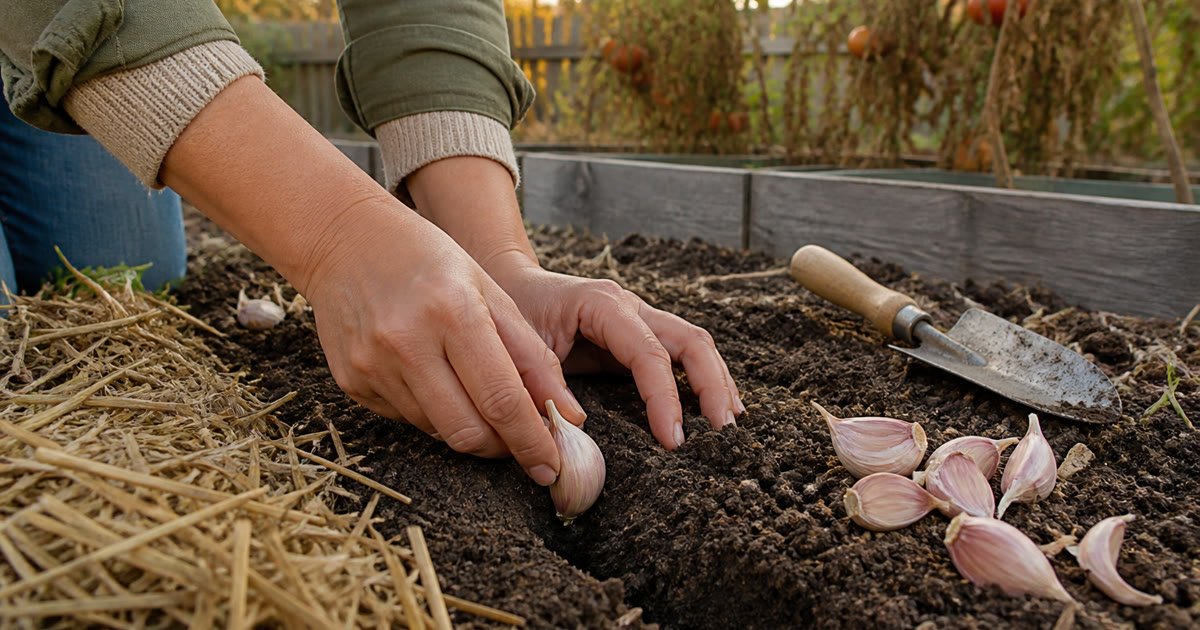
- April 15: Direct sow peas, plant garlic
- May 1: Start squash, cucumbers indoors
- May 15: Transplant tomatoes with frost protection
- June 1: Direct sow beans, succession lettuce
Seed packets provide days to maturity, which helps gardeners plan their calendar. Cool-season crops like broccoli and cabbage need to be planted early enough in zones 7-10 so they mature before summer heat arrives.
Integrated Pest Management and Crop Success for Beginners
Managing pests without relying solely on pesticides involves using multiple prevention methods, resistant plant varieties, and smart garden planning. Simple strategies like pairing compatible plants and rotating crop locations help reduce pest problems naturally.
Common Pests: Aphids, Flea Beetles, and Beyond
Aphids are small, soft-bodied insects that cluster on plant stems and undersides of leaves, sucking sap and weakening vegetables. They reproduce quickly and can spread plant diseases. Gardeners can spray aphids off with a strong stream of water or introduce beneficial insects like ladybugs that feed on them.
Flea beetles create small holes in leaves, giving plants a shot-hole appearance. These tiny jumping beetles particularly target eggplant, tomatoes, and leafy greens. Row covers placed over young plants prevent flea beetles from reaching crops during vulnerable early growth stages.
Other common vegetable pests include:
- Cabbage worms - green caterpillars that chew holes in leafy greens
- Tomato hornworms - large caterpillars that strip tomato plant foliage
- Squash bugs - insects that damage zucchini and cucumber plants
- Spider mites - tiny pests that cause yellowing and stippled leaves
Regular garden inspection helps catch pest problems early. Checking plants two to three times per week allows gardeners to remove pests by hand or apply targeted treatments before populations explode.
Companion Planting Strategies
Companion planting places specific vegetables together to reduce pests and improve growth. Basil planted near tomatoes repels aphids and flies while enhancing tomato flavor. Marigolds release compounds that deter aphids, whiteflies, and nematodes in the soil.
Nasturtiums act as trap crops by attracting aphids away from vegetables like lettuce and beans. Gardeners can plant nasturtiums at garden borders to protect main crops. Garlic and onions planted between rows of carrots and lettuce help mask the scent that attracts carrot flies and aphids.
Strong-scented herbs like rosemary, thyme, and sage confuse pests searching for vegetables. Planting these herbs throughout the garden creates a protective barrier. Tall plants like corn can provide shade for lettuce and spinach while beans planted at the corn base add nitrogen to soil.
Crop Rotation Made Simple
Crop rotation means growing different plant families in different locations each season. This practice prevents soil-borne diseases and pests from building up in one area. Vegetables fall into families that share similar pest and disease problems.
The main vegetable families include:
- Nightshades - tomatoes, peppers, eggplant
- Brassicas - cabbage, broccoli, radishes
- Legumes - beans, peas
- Cucurbits - zucchini, cucumbers
- Alliums - onions, garlic
A simple three-year rotation works well for beginners. In year one, grow tomatoes in bed A, beans in bed B, and lettuce in bed C. In year two, move tomatoes to bed B, beans to bed C, and lettuce to bed A. This rotation continues each season.
Never plant the same family in the same spot for at least two to three years. Following tomatoes with peppers in the same bed allows pests and diseases to persist since both are nightshades. Rotating crops also helps balance soil nutrients since different vegetables have different feeding needs.
Frequently Asked Questions
Cold-hardy crops like kale and spinach excel in northern gardens, while container options such as lettuce and radishes work well for limited spaces. Strategic planting times and low-maintenance choices help new gardeners succeed across different zones and garden sizes.
What are some beginner-friendly vegetables that thrive in Zone 3 climates?
Zone 3 gardeners can successfully grow several cold-hardy vegetables despite their short growing season. Root vegetables like carrots, beets, and radishes perform exceptionally well in cooler temperatures. These crops can handle light frosts and actually develop better flavor after exposure to cold weather.
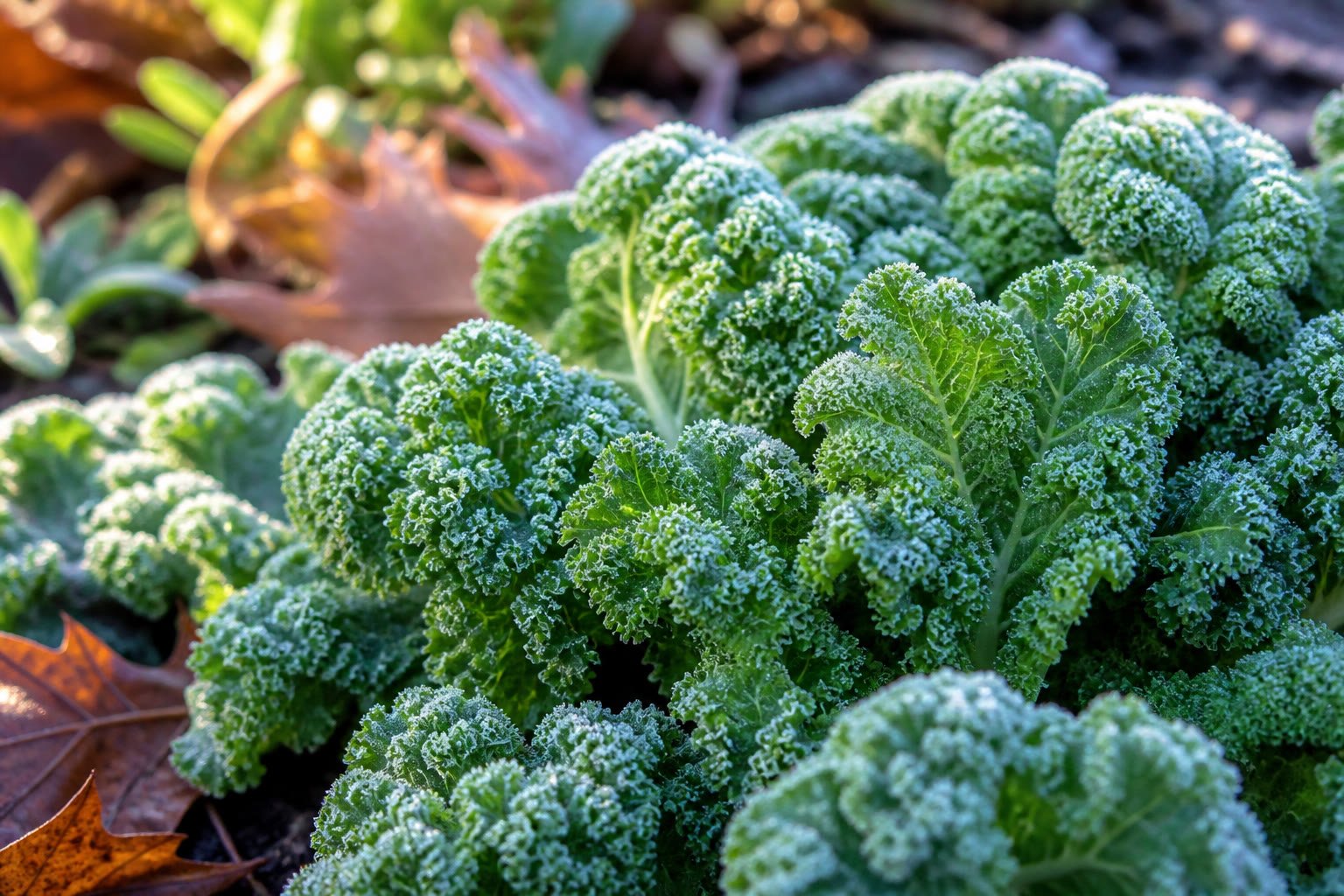
Leafy greens are excellent choices for Zone 3 gardens. Lettuce, spinach, kale, and Swiss chard all tolerate cold conditions and can be planted early in spring. These vegetables can also be succession planted throughout the summer for continuous harvests.
Bush beans and peas thrive in Zone 3 when planted after the last frost date. These crops mature quickly, usually within 50-60 days, making them ideal for shorter growing seasons. Gardeners should choose varieties specifically labeled as early-maturing or cold-tolerant for best results.
What vegetables can I easily grow in pots or small containers?
Cherry tomatoes grow successfully in containers that hold at least 5 gallons of soil. These plants produce abundant fruit throughout the season and only require a sturdy support stake. Container growing also makes it easier to move plants to optimal sun locations.
Lettuce and other salad greens need surprisingly little space to thrive. A container just 6-8 inches deep works well for most lettuce varieties. Gardeners can harvest outer leaves repeatedly while the plant continues producing new growth from the center.
Radishes, carrots, and bush beans all adapt well to container life. Radishes mature in just 3-4 weeks and can grow in containers as shallow as 6 inches. Bush beans need pots around 8-12 inches deep, while carrots require at least 12 inches to develop properly.
Peppers and herbs make excellent container vegetables for beginners. A single pepper plant thrives in a 3-5 gallon pot and produces steadily all season. Herbs like basil, parsley, and cilantro grow well in smaller pots on patios or windowsills.
Can you list some vegetables suited for a small-sized garden for beginners?
Zucchini produces an impressive yield from just one or two plants in a small garden space. Each plant needs about 3-4 square feet but will provide enough squash for a family throughout summer. Vertical trellising can reduce the footprint even further.
Bush varieties of common vegetables save significant space compared to vining types. Bush cucumbers, bush beans, and determinate tomatoes all grow more compactly while still producing well. These varieties work perfectly in raised beds or small in-ground plots.
Lettuce and other cut-and-come-again greens maximize harvest in minimal space. Gardeners can plant these crops intensively in rows just 6 inches apart. The ability to harvest outer leaves while plants keep growing means continuous production from a small area.
Climbing vegetables like pole beans and peas use vertical space efficiently. These plants grow upward on trellises or stakes rather than spreading across the ground. A 1-foot-wide row can produce as much as a 3-foot-wide row of bush beans.
Which vegetables are best for year-round cultivation for first-time gardeners?
Cool-season crops extend the growing season into fall and early spring in most zones. Kale, spinach, lettuce, and radishes can be planted in late summer for fall harvest. These vegetables tolerate frost and continue growing when temperatures drop below 50°F.
In Zones 7-10, gardeners can grow certain vegetables throughout winter with minimal protection. Leafy greens like collards, mustard greens, and Swiss chard survive light freezes. Root vegetables such as carrots and beets can stay in the ground and be harvested as needed.
Succession planting creates continuous harvests of warm-season crops during summer months. Planting new bean, cucumber, or zucchini seeds every 2-3 weeks ensures fresh vegetables from late spring through early fall. This strategy works in all zones during their frost-free periods.
Cold frames or row covers allow gardeners to grow vegetables outside their normal season. These simple structures trap heat and protect plants from harsh weather. Even Zone 3 gardeners can extend their season by 4-6 weeks using these methods.
What are the ideal planting times for vegetables in zones 4 through 10 for novice gardeners?
Zones 4-6 typically have last spring frost dates between late April and late May. Cool-season crops like lettuce, peas, and spinach can go in the ground 2-4 weeks before this date. Warm-season vegetables like tomatoes, peppers, and cucumbers should wait until after all danger of frost has passed.
Zones 7-8 offer longer growing seasons with last frost dates in March or early April. Gardeners in these zones can start warm-season crops in mid to late April. Fall planting of cool-season vegetables works well from late August through September.
Zones 9-10 allow for nearly year-round vegetable growing with mild winters. Cool-season crops should be planted from October through February for best results. Warm-season vegetables grow from March through October, though extreme summer heat may require shade protection.
Most seed packets provide specific "days to maturity" information for planning purposes. Gardeners should count backward from their expected first fall frost date to determine last planting dates. This ensures crops have enough time to mature before cold weather arrives.
What are low-maintenance vegetables that a beginner can start with in a home garden?
Radishes require minimal care and mature in just 3-4 weeks from planting. These vegetables tolerate various soil conditions and rarely suffer from pest problems. Gardeners simply need to keep the soil moist and thin seedlings to 2 inches apart.
Bush beans produce reliably with basic watering and no special fertilization needed. These plants fix their own nitrogen from the air, reducing feeding requirements. Picking beans regularly encourages the plant to produce more throughout the season.
Zucchini and summer squash grow vigorously with little intervention. These plants need consistent watering and occasional fertilizing but resist most pests. One or two plants typically produce more than enough for a family.
Cherry tomatoes require less pruning and attention than full-sized varieties. These plants resist many common tomato diseases and produce fruit prolifically. A simple stake or cage provides adequate support for the entire growing season.