How to Grow Kale for Fall and Winter Harvests
Grow kale for fall and winter: choose hardy types, plant by USDA zone, space and water well, then harvest leaf by leaf after frost sweetens the crop.
Practical vegetable gardening guides for beginners and home growers. Learn when to plant, how to prepare soil, choose the best vegetables for your zone, and grow healthier crops with step-by-step advice.
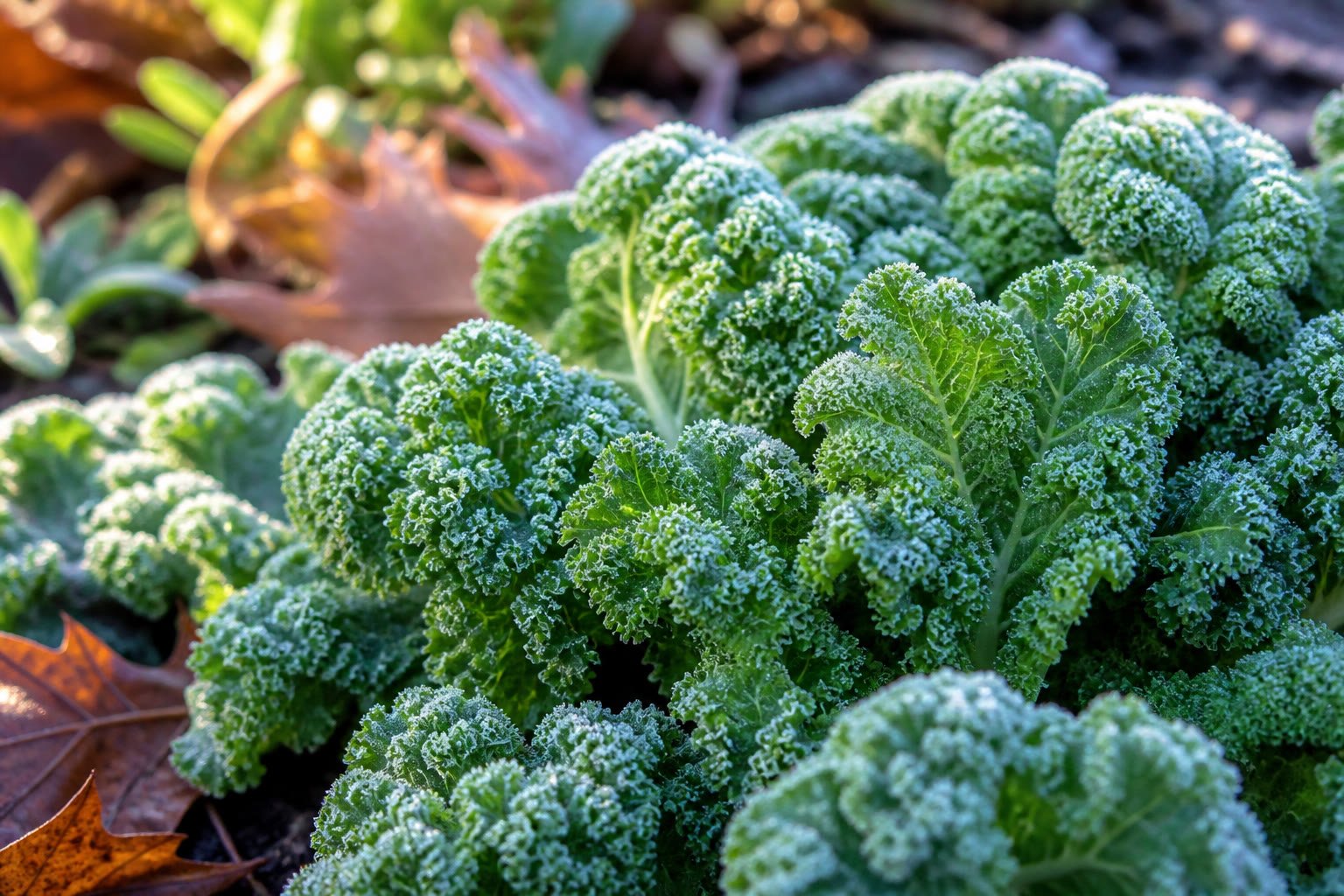
Grow kale for fall and winter: choose hardy types, plant by USDA zone, space and water well, then harvest leaf by leaf after frost sweetens the crop.
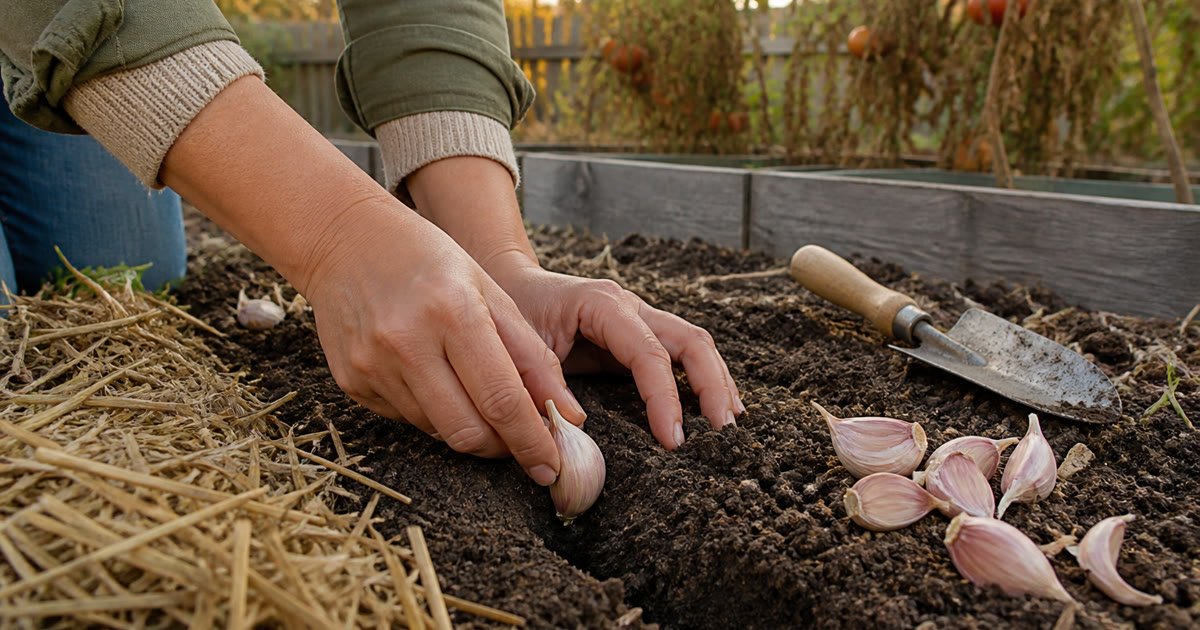
Fall is the right time to plant garlic. This guide covers when to plant by USDA zone, hardneck vs softneck, how deep and far apart to set cloves, mulching for winter, and what to expect through harvest.
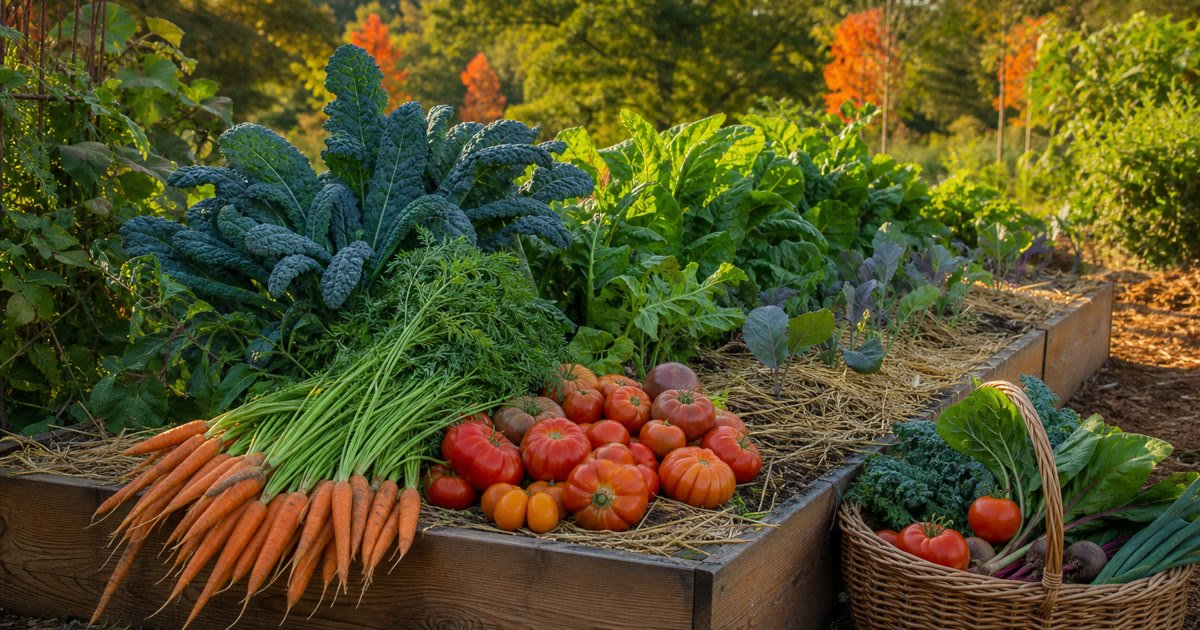
September is the pivot from summer harvest into fall planting: first frost approaches in cooler zones, warm-season crops get a last push, and cool-season vegetables go in the ground. This checklist covers harvest, succession planting, frost prep, soil refresh, and cleanup across USDA Zones 3–10.
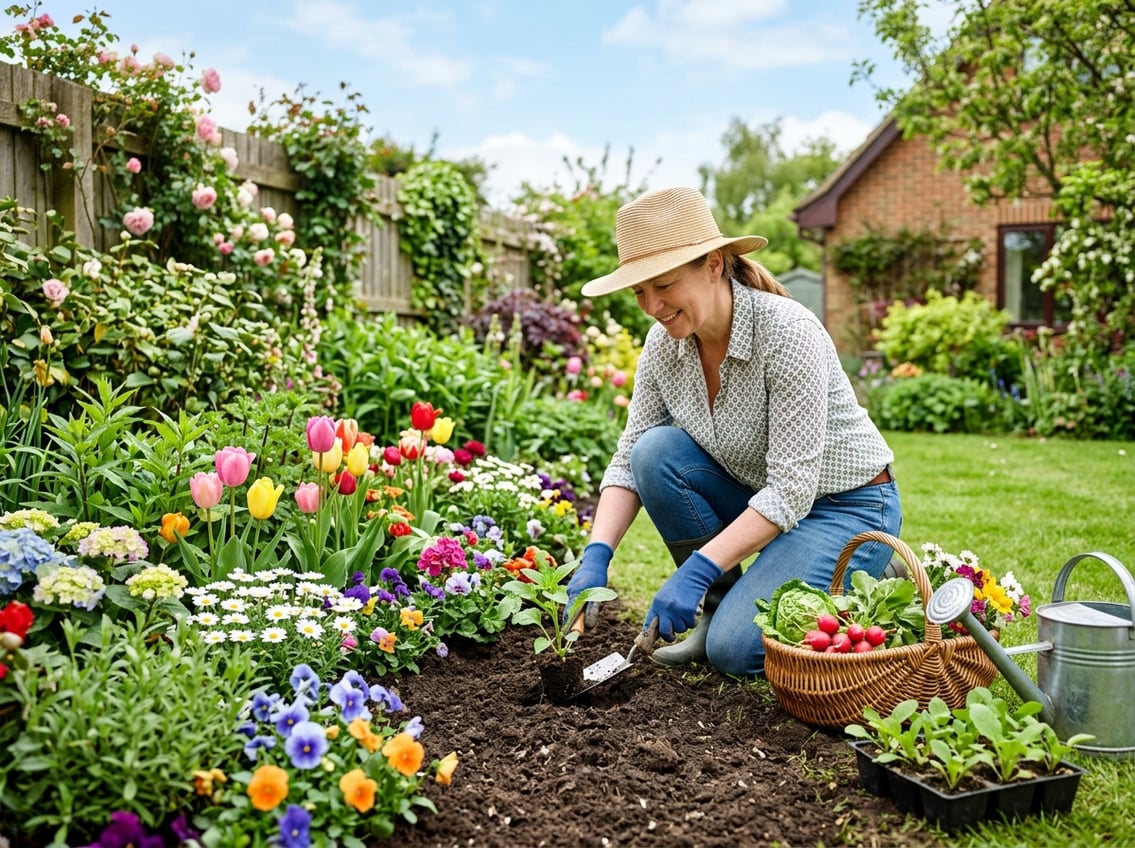
May is the turning point when frost risk fades, soil finally warms enough for tender crops, and the garden shifts from cool-season growth into full summer production. The month rewards gardeners who break the work into clear categories rather than tackling everything at once: getting warm-season vegetables in the ground at the right time, refreshing soil and beds for heavy growth ahead, setting up consistent watering, and scouting for pests before they take hold. This checklist walks through every priority task across USDA Zones 3–10, from transplanting tomatoes and direct sowing squash to pruning spring-blooming shrubs and dividing crowded perennials.
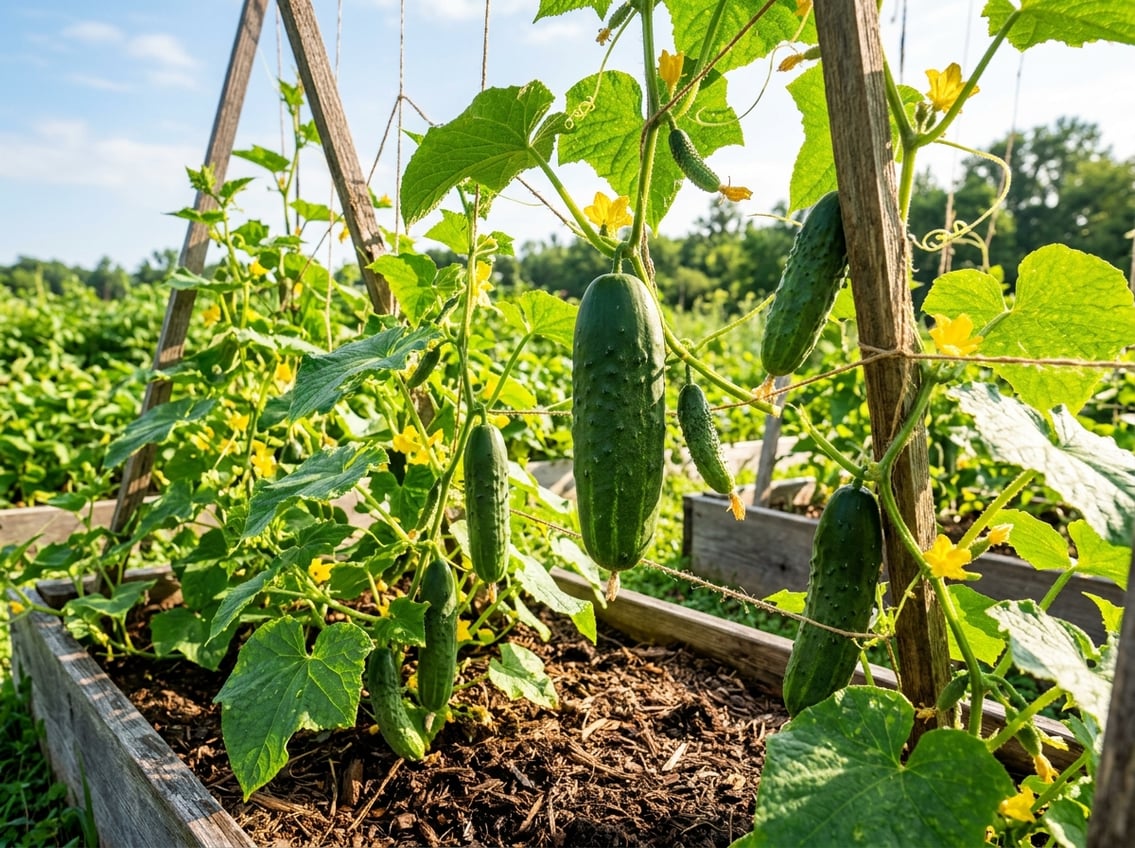
Cucumbers are one of the most popular warm-season vegetables in home gardens — but the gap between a handful of bitter fruits and a steady, abundant harvest comes down to getting five things right: choosing the right variety for your space, planting after the soil is warm enough, building fertile and well-draining soil, watering consistently, and staying ahead of pests and diseases. This guide walks through every step of growing cucumbers across USDA Zones 3–10, from picking between slicing, pickling, and burpless types to harvesting at peak flavor, whether you're working with a backyard bed, a raised bed with a trellis, or a single 5-gallon container on a balcony.
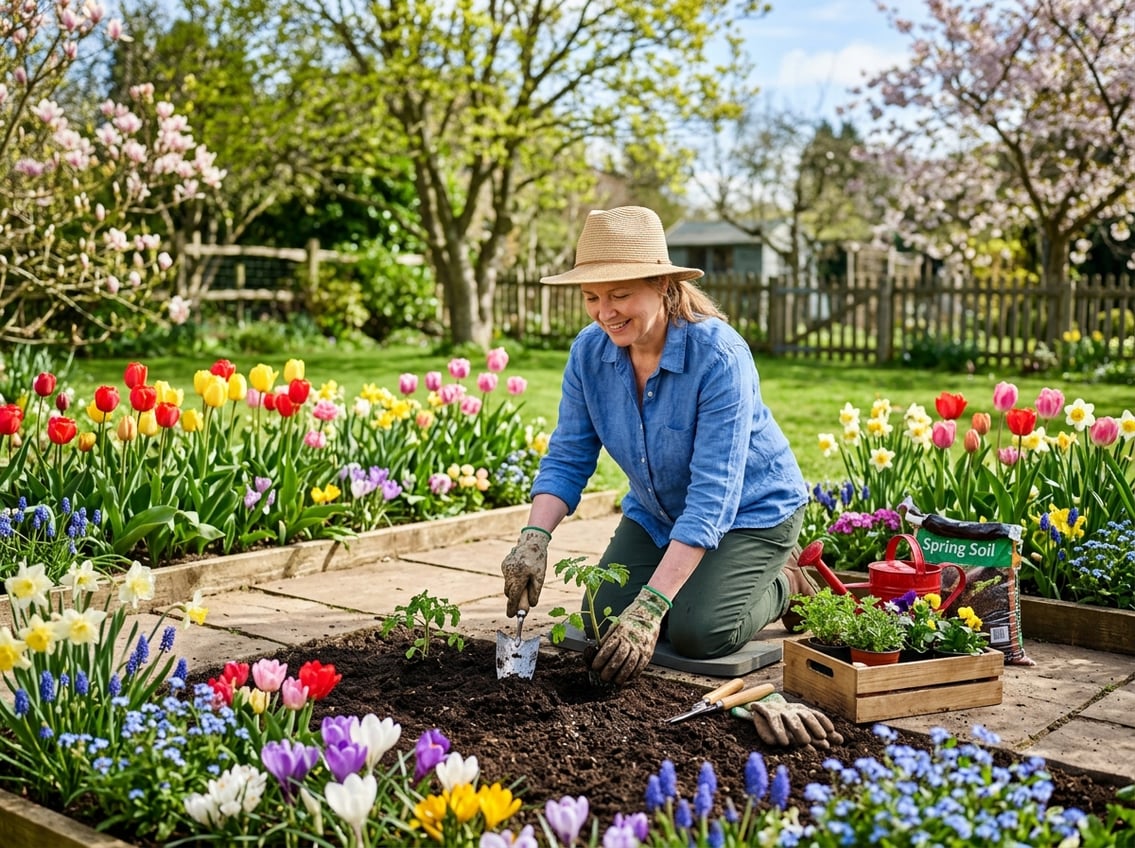
April is one of the most productive months in the gardening calendar, bringing cool mornings, warming soil, and longer days that signal it's time to get serious about planting, soil prep, and seasonal maintenance. Success comes down to sequencing: confirm your frost date and soil conditions first, then plant cool-season crops, start warm-season seeds indoors, prepare beds, care for trees and flowers, and stay ahead of pests and weeds before they take hold. This practical checklist walks through every step across USDA Zones 3–10, whether you're working a backyard plot, raised beds, or a handful of patio containers.
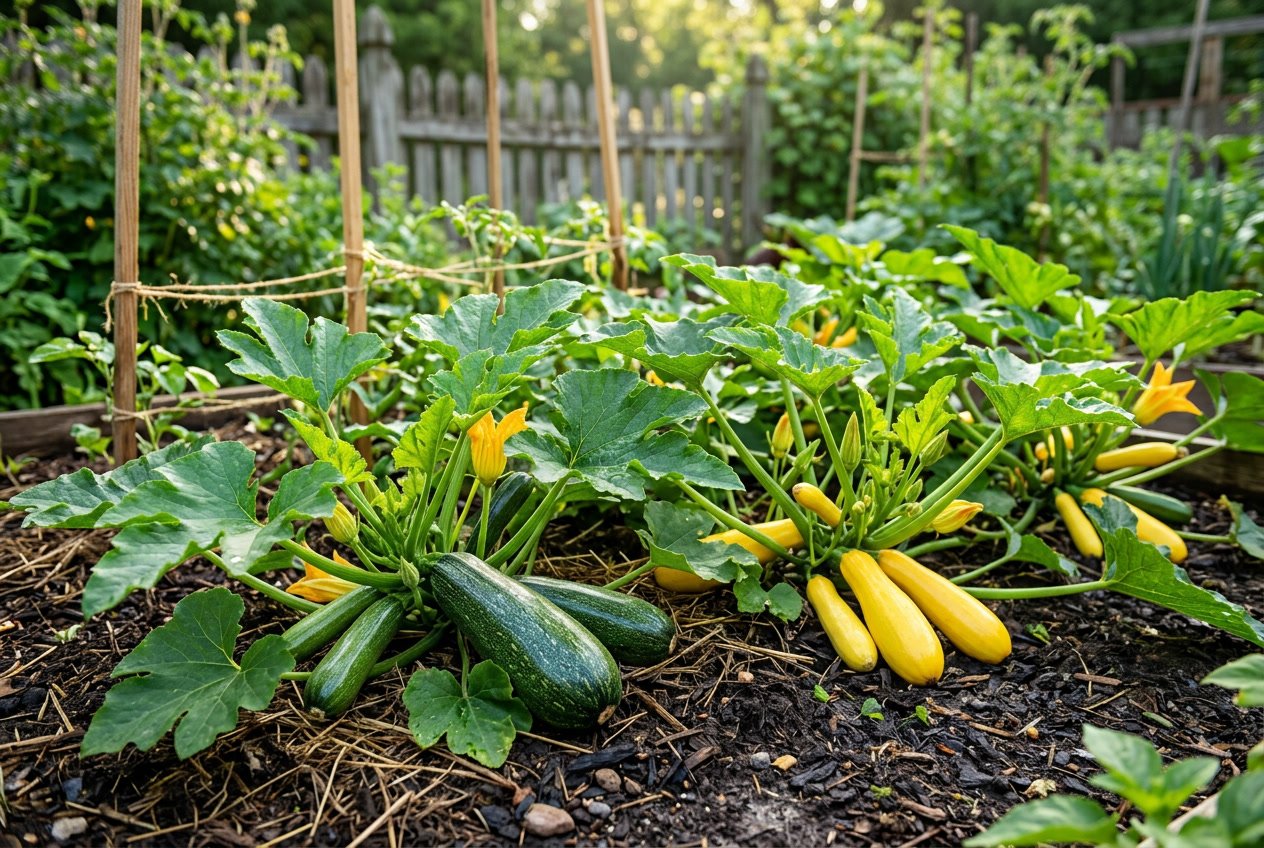
Grow zucchini and summer squash like a pro — from soil prep and planting to pest control, pollination, and harvesting at peak flavor all summer long.
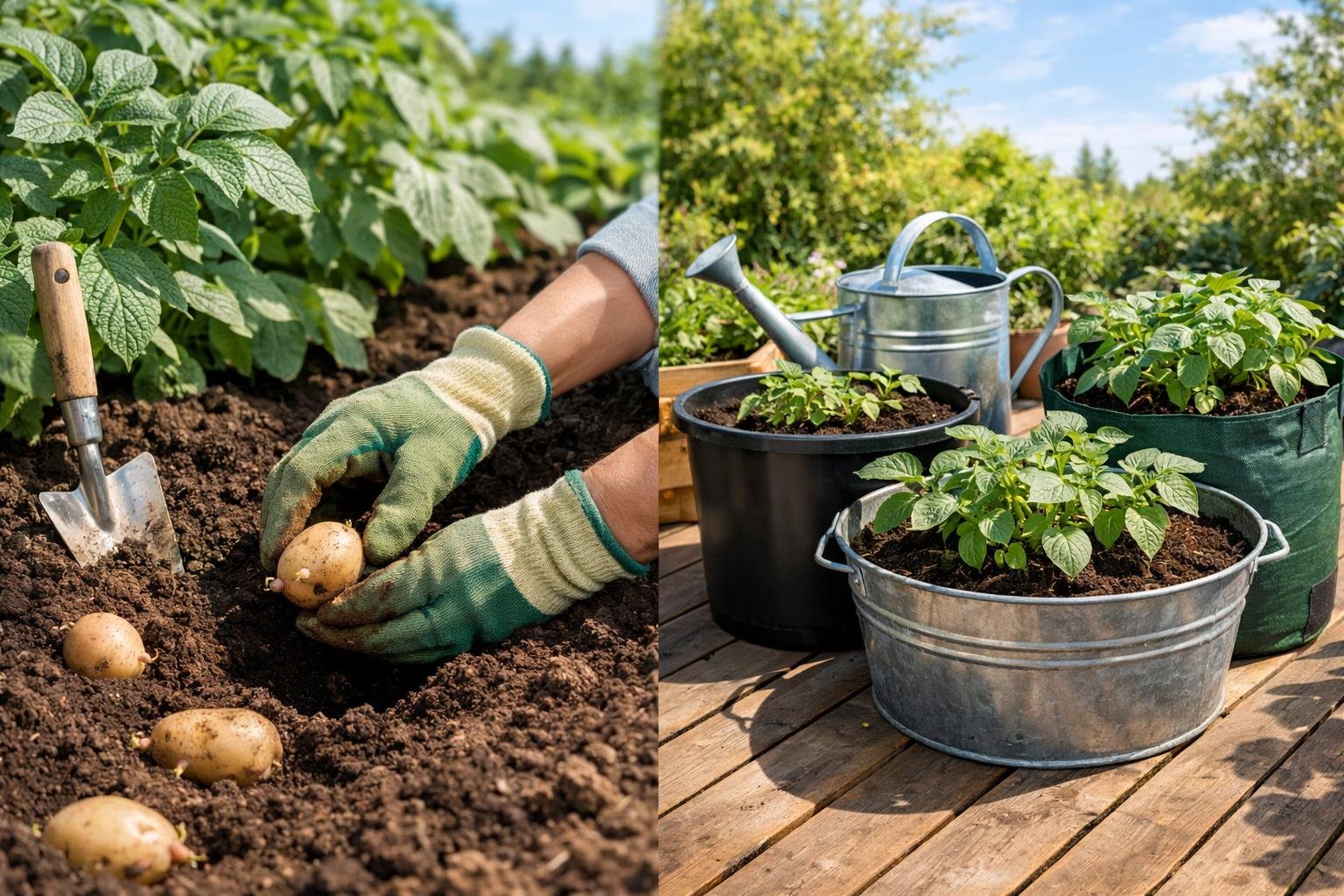
Whether you have a backyard garden or just a balcony, you can grow a rewarding potato crop. This guide walks you through everything — variety selection, container setup, hilling, and harvest timing — so you get the best yield from any space.
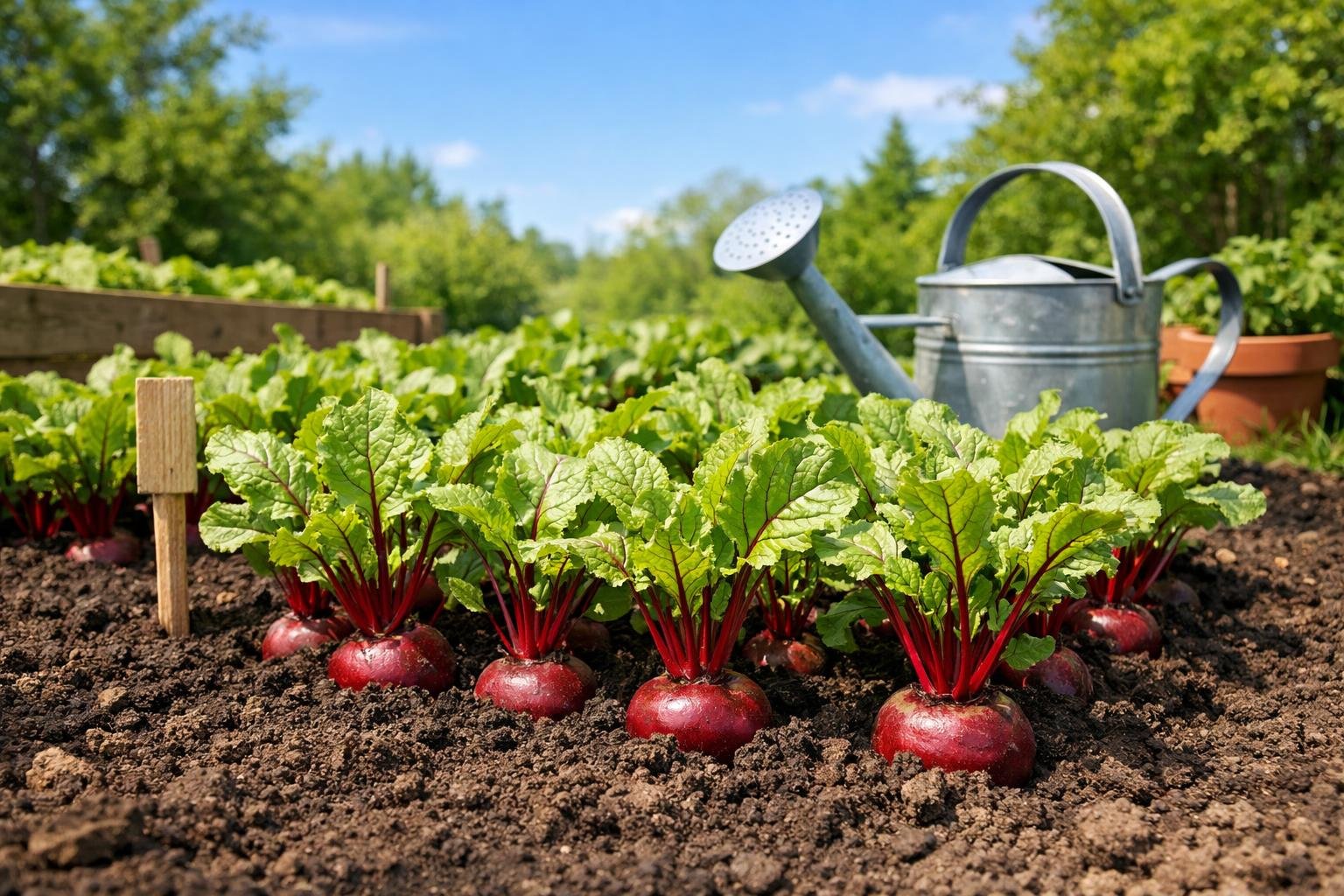
Beets are easy to grow, but planting at the right time makes all the difference. This guide explains when to plant beets in USDA zones 3–10 for spring and fall harvests, how soil temperature and frost dates affect success, which varieties work best in different climates, and how to use succession planting for a longer harvest season.
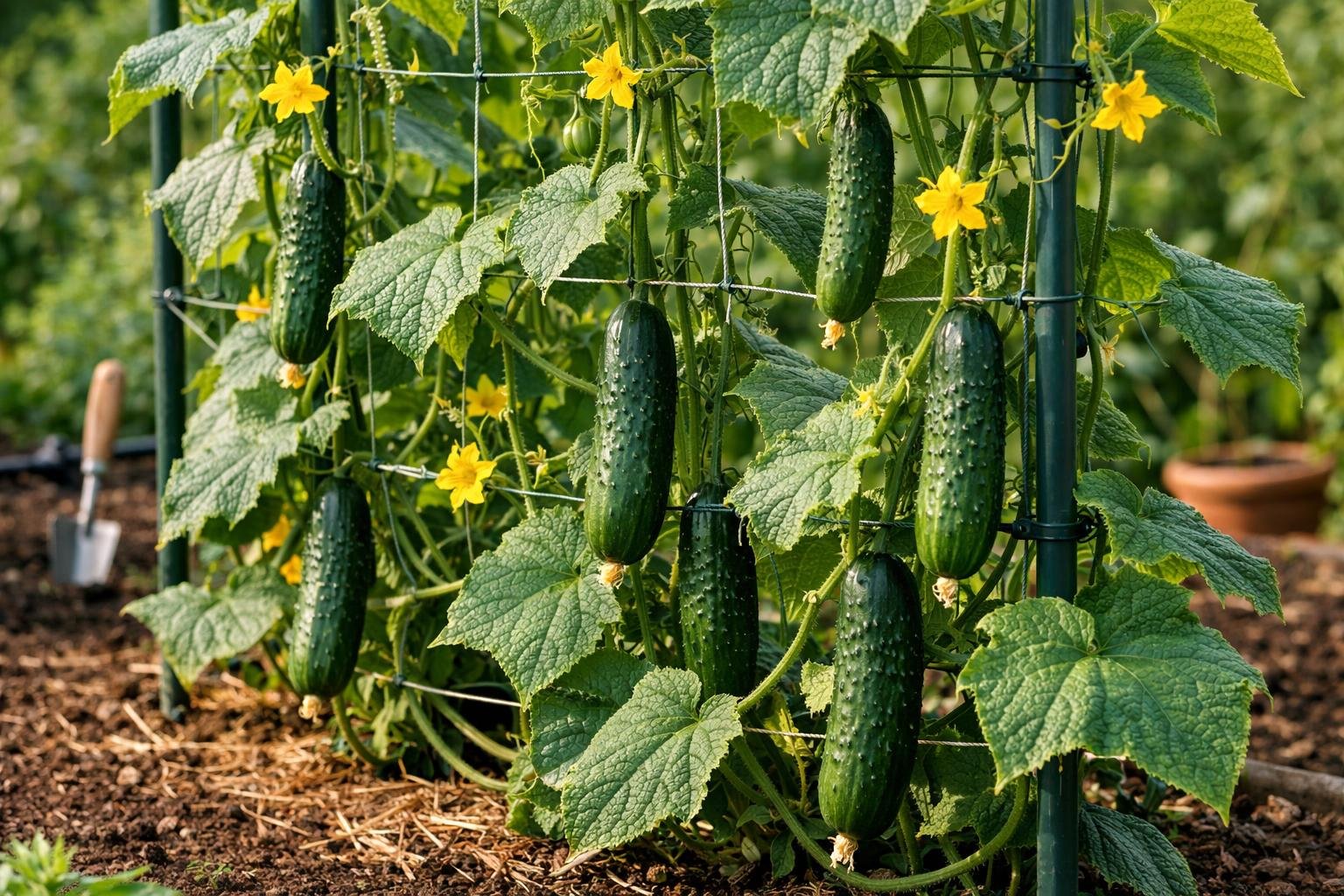
Growing cucumbers vertically is a simple way to save space, improve air circulation, and harvest cleaner, healthier fruit with less effort. This practical guide covers the best cucumber varieties for trellising, how to choose or build strong supports, planting and training techniques, watering and fertilizing tips, pest and disease prevention, and the easiest ways to maximize yields in both garden beds and containers.
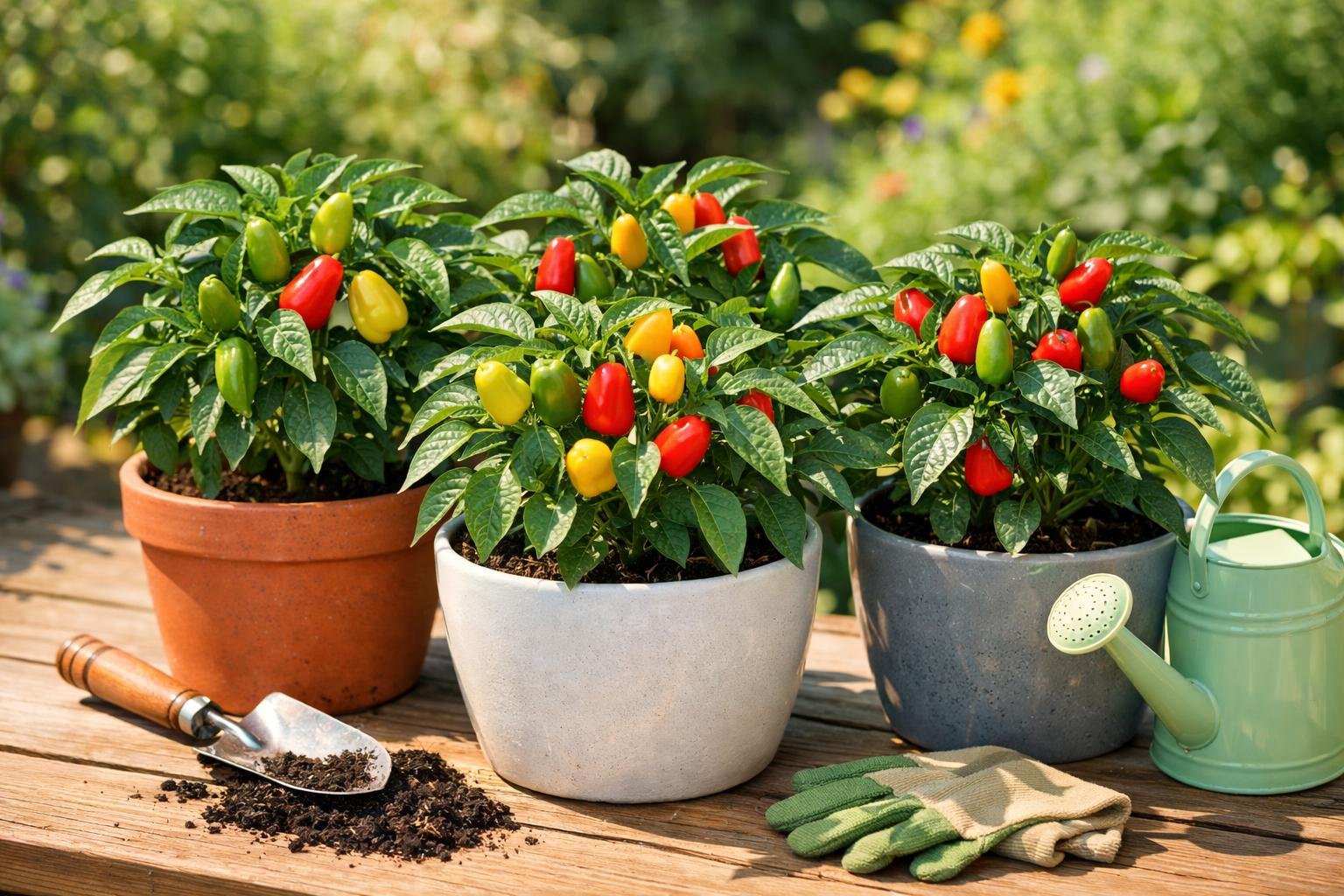
Growing peppers in containers is an easy and productive way to garden in small spaces, from patios and balconies to sunny porches. This guide explains how to choose the right pepper varieties, container size, and potting mix, then covers planting, watering, feeding, support, pest control, and harvesting so you can grow healthy, high-yield pepper plants in pots all season long.
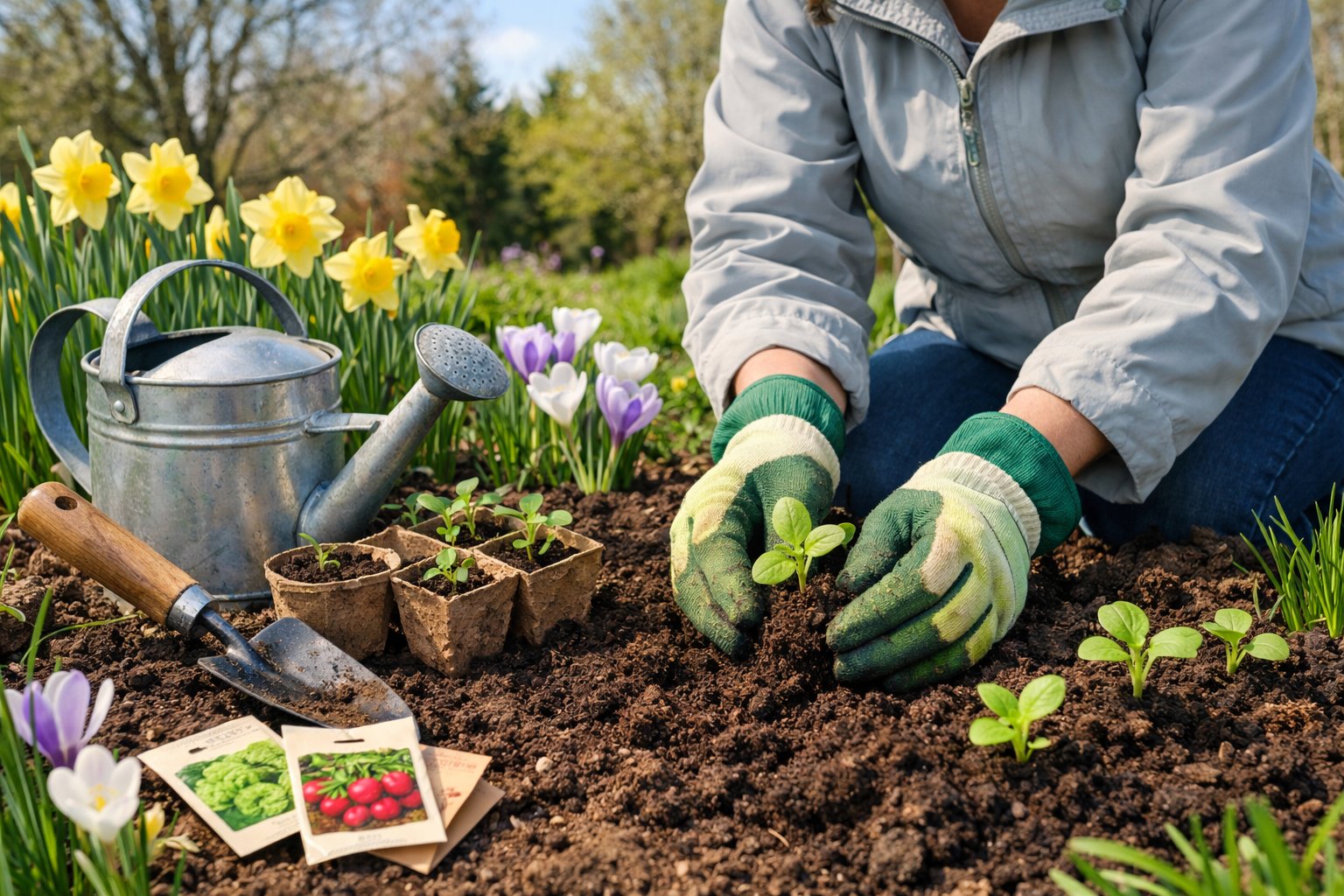
March is the ideal month to get your garden ready for spring—cleaning up winter debris, prepping soil with compost, and starting seeds indoors before the rush of planting season. This guide walks through the most important March tasks, including soil testing, pruning the right shrubs, maintaining tools, sowing cold-hardy crops where conditions allow, and using simple pest, mulch, and wildlife-friendly strategies to set up a healthier, more productive garden.
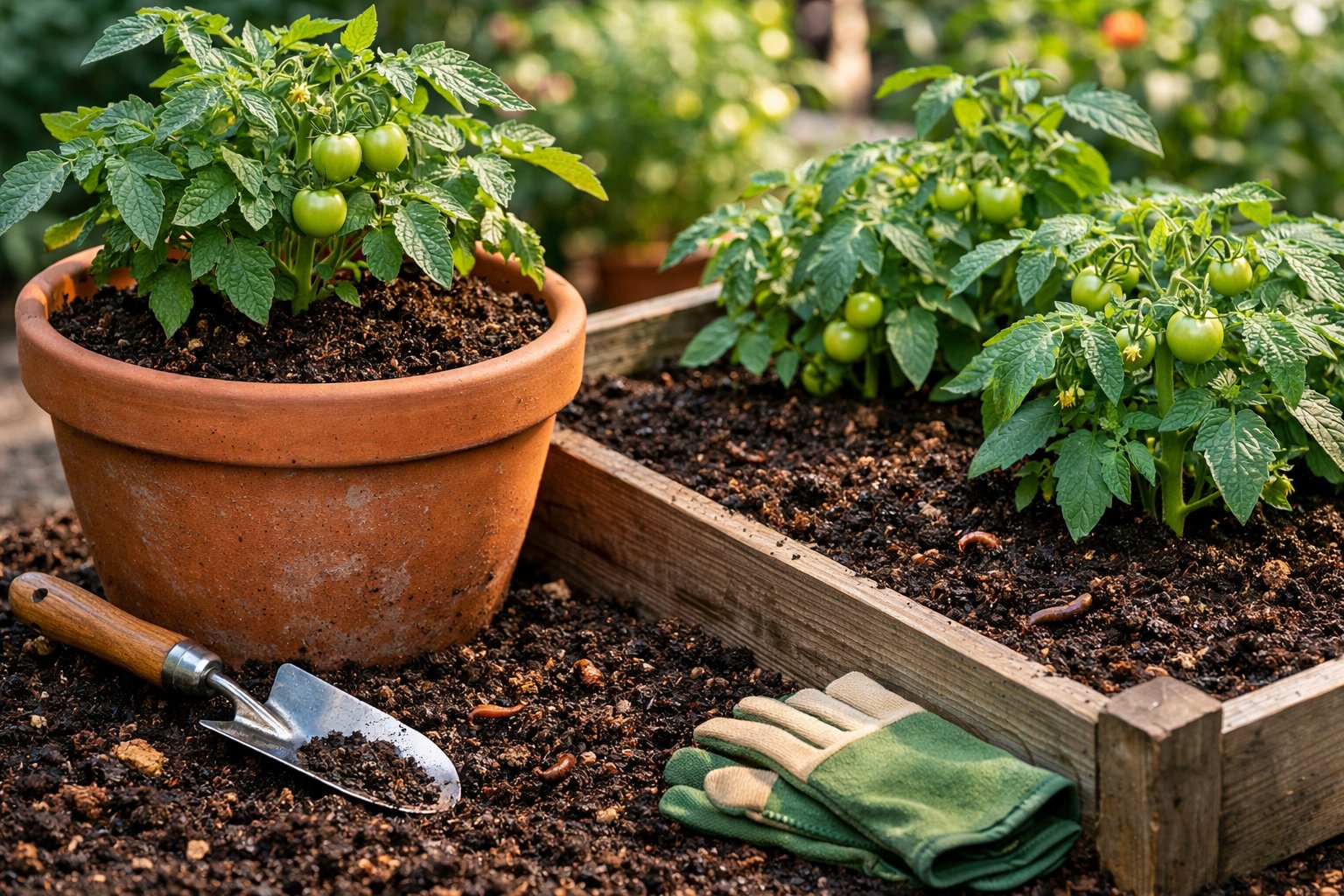
The best soil for tomatoes balances drainage, moisture retention, nutrients, and aeration with a slightly acidic pH between 6.0–6.8. This expert guide explains exactly how to create the ideal soil mix for both pots and garden beds—plus how to prevent common problems like root rot, nutrient deficiencies, and blossom end rot for stronger plants and bigger harvests.
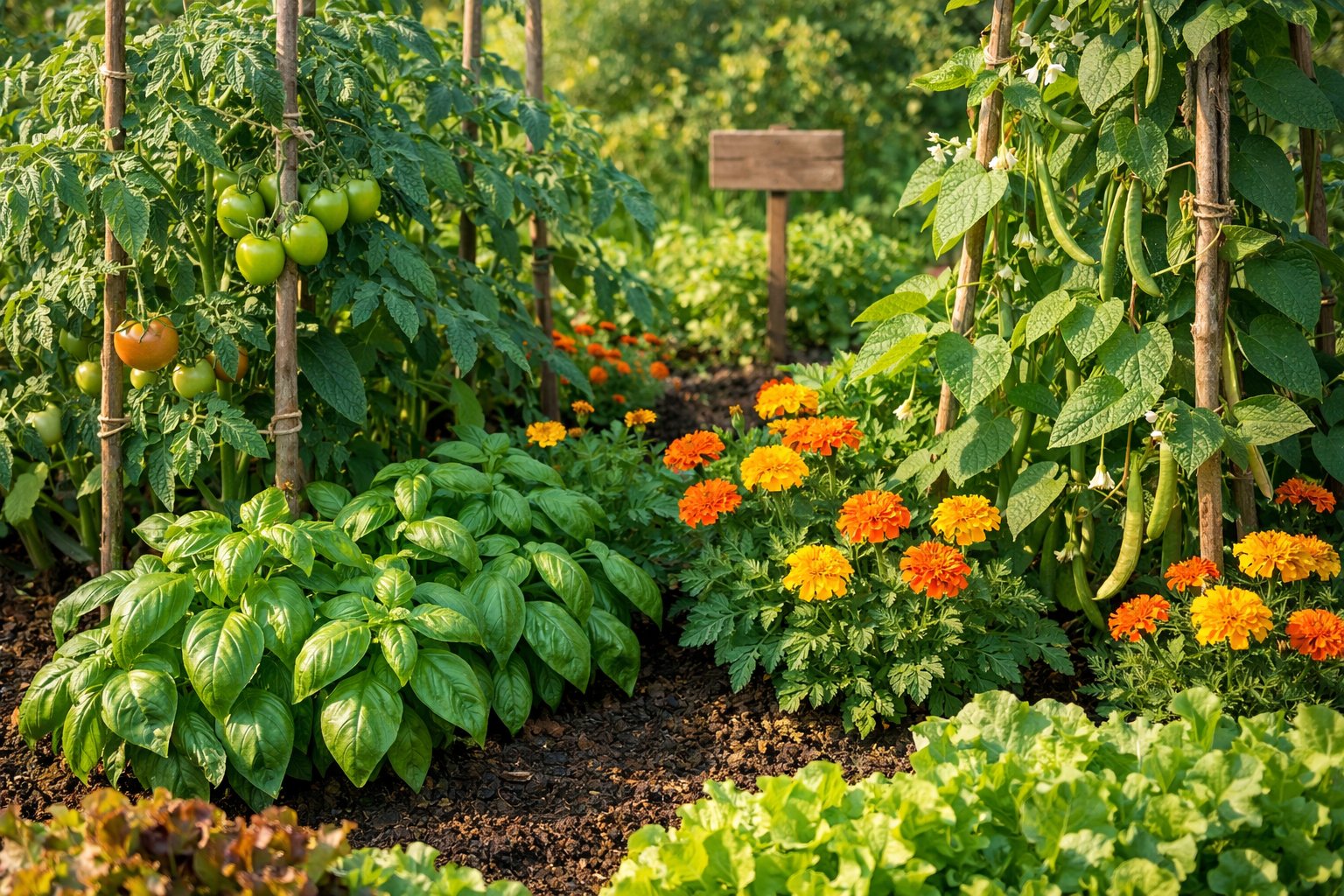
Companion planting is a simple way to grow a healthier garden by pairing plants that naturally support each other. This complete guide explains proven plant combinations that deter pests, attract pollinators, improve soil health, and maximize space—so you can boost yields and reduce chemicals using smart, beginner-friendly companion planting strategies.
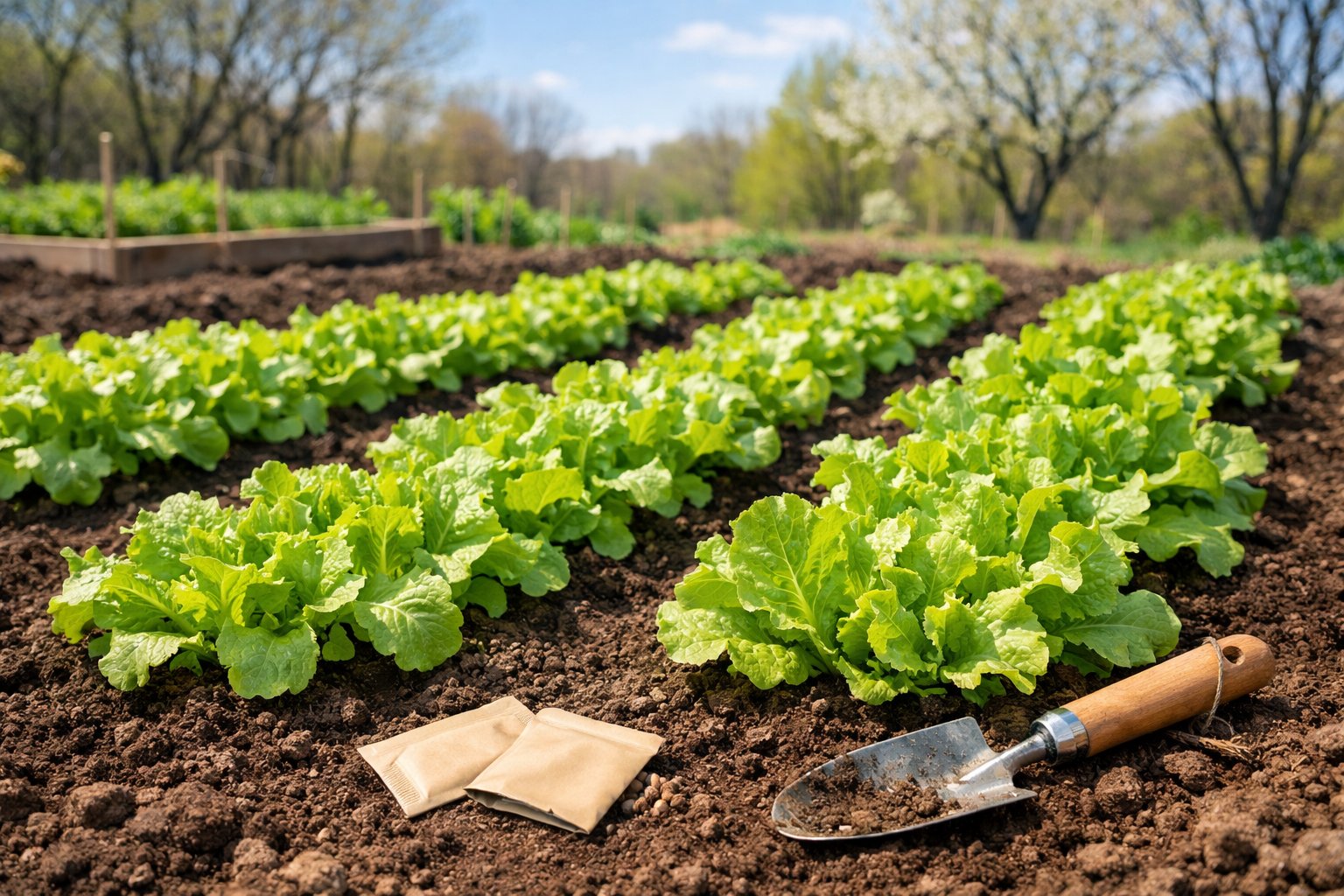
Learn exactly when to plant lettuce in Zones 3–10 for the best harvest. This complete guide covers spring and fall planting windows, succession planting tips, zone-specific timing, and how to prevent bolting in warm weather for crisp, healthy lettuce all season long.
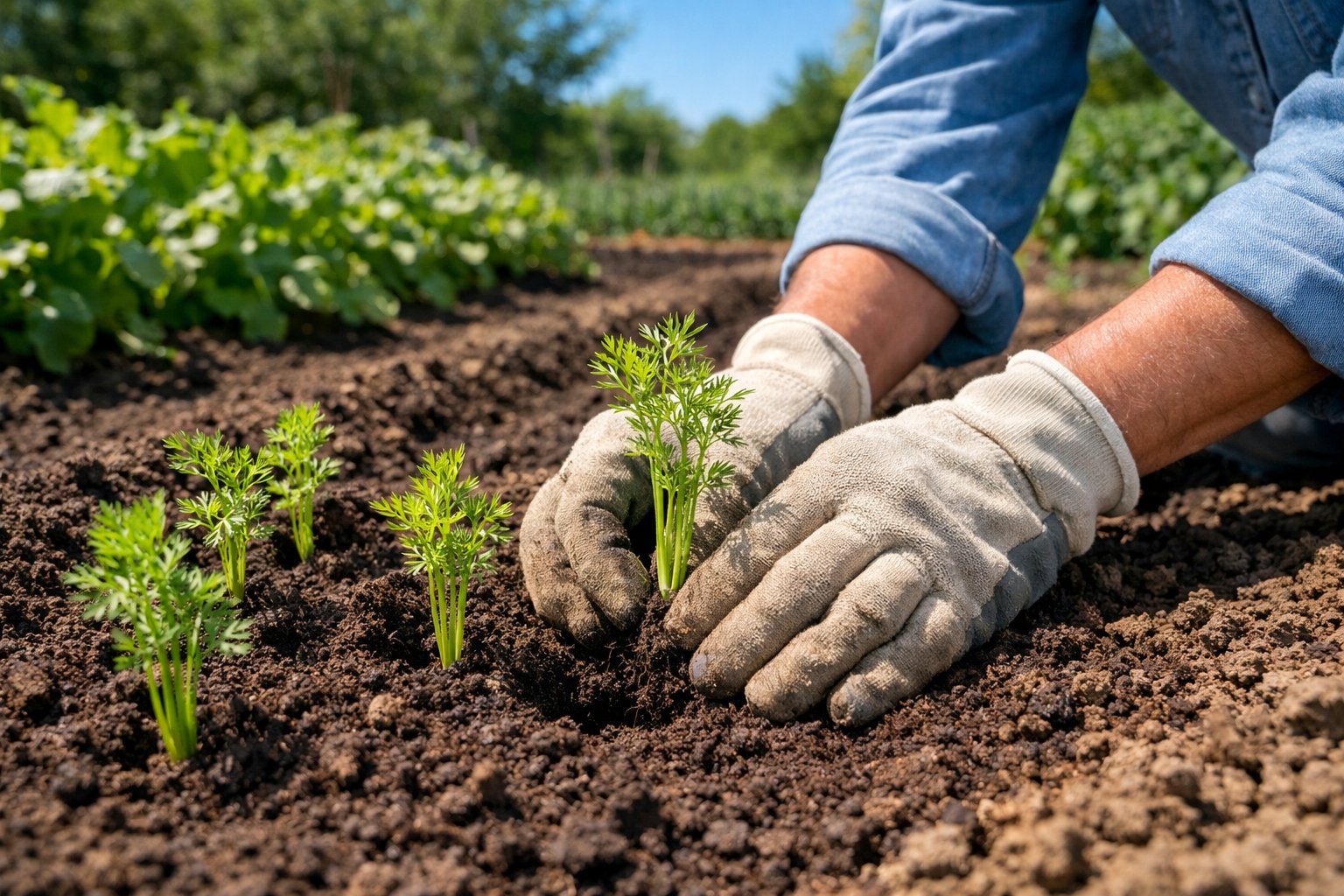
Find the best time to plant carrots in zones 3–10, with spring and fall windows by zone, soil temperature targets, and variety tips for sweeter harvests.
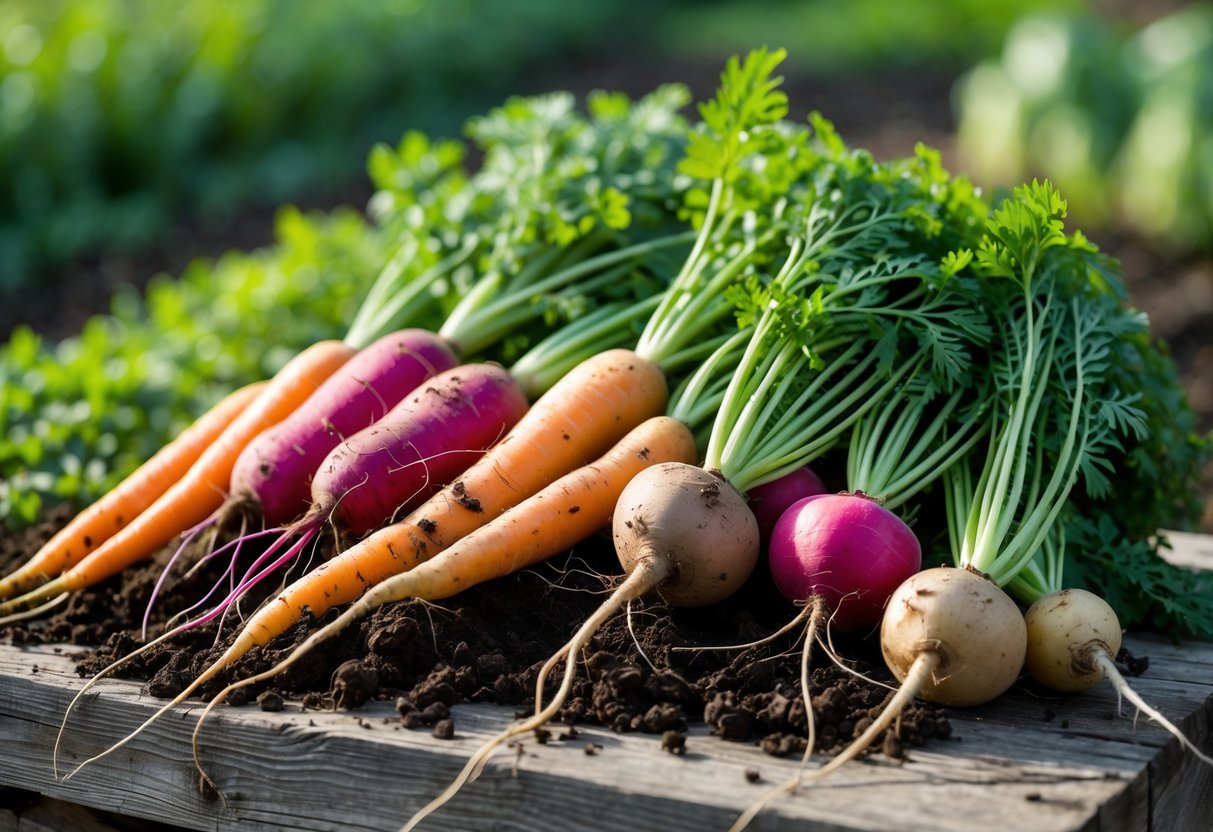
Discover the easiest vegetables for beginner gardeners in zones 3–10, including leafy greens, fast-growing roots, warm-season favorites, and low-maintenance herbs. Learn what to plant, when to plant based on frost dates, and how to get reliable harvests with simple care and planning.
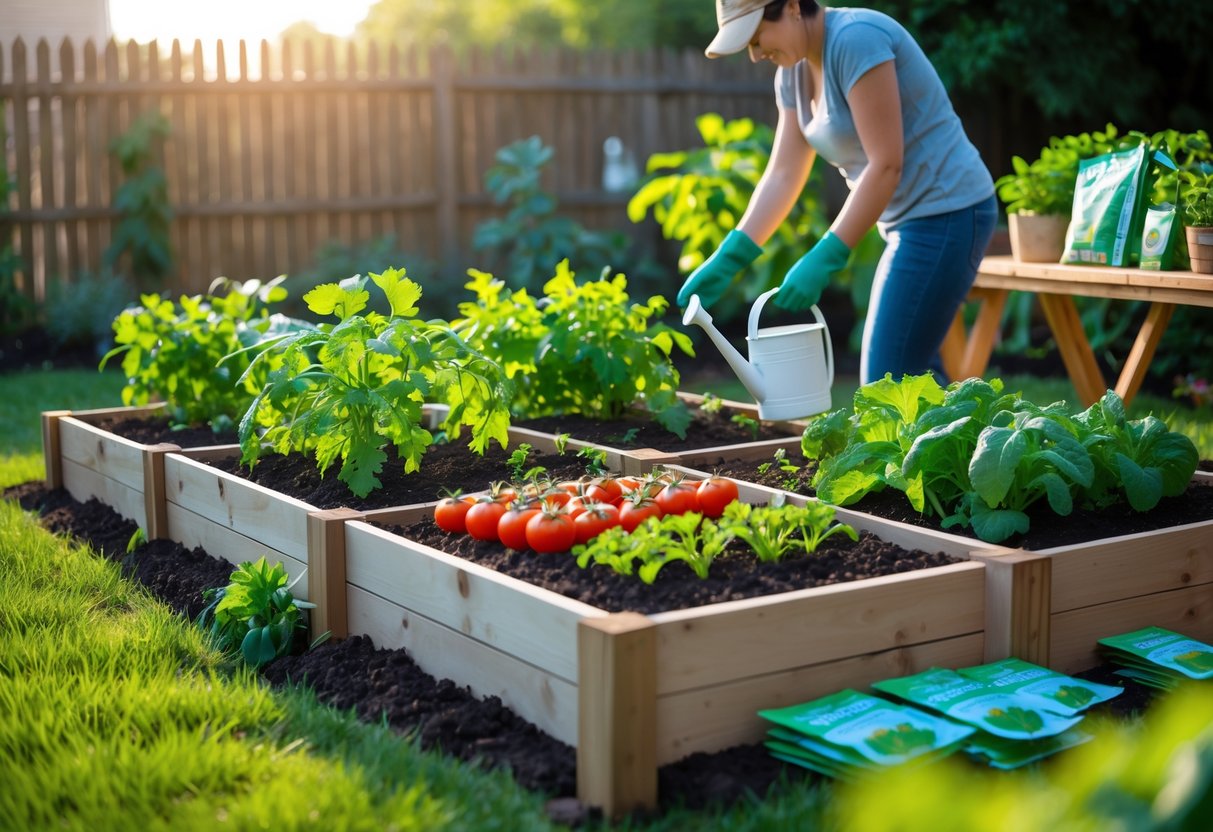
Learn how to start a successful vegetable garden with simple steps, easy crops, soil tips, and planning guides for beginners.