When to Plant Lettuce (Zones 3–10): A Complete Planting Guide
Lettuce grows best when planted at the right time for each climate zone, and timing makes the difference between crisp, tender leaves and bitter, bolted plants. In Zones 3-4, gardeners should start seeds indoors 6-8 weeks before the last spring frost and direct sow again in mid-summer for fall crops, while Zones 9-10 can grow lettuce nearly year-round with plantings from late September through March. The key is working with local frost dates and temperatures to give lettuce the cool conditions it prefers.
Every growing zone has its own planting windows and challenges. Cold-climate gardeners need to time plantings around short growing seasons and use protection methods to extend harvests. Warm-climate growers must focus on fall through spring planting and use shade strategies during hot months.
This guide breaks down exactly when to plant lettuce in each USDA zone, from the coldest northern gardens to mild southern regions. It covers spring, summer, fall, and winter planting schedules, along with variety selection, succession planting, and ways to keep lettuce producing longer in any climate.
Key Takeaways
- Plant lettuce 4-8 weeks before the last spring frost in cold zones and during fall through spring in warm zones
- Success depends on choosing the right varieties for your climate and using succession planting every 10-14 days
- Extend the growing season with shade cloth in summer, row covers for frost protection, and cold frames for winter harvests
Understanding USDA Zones and Their Impact on Lettuce Planting
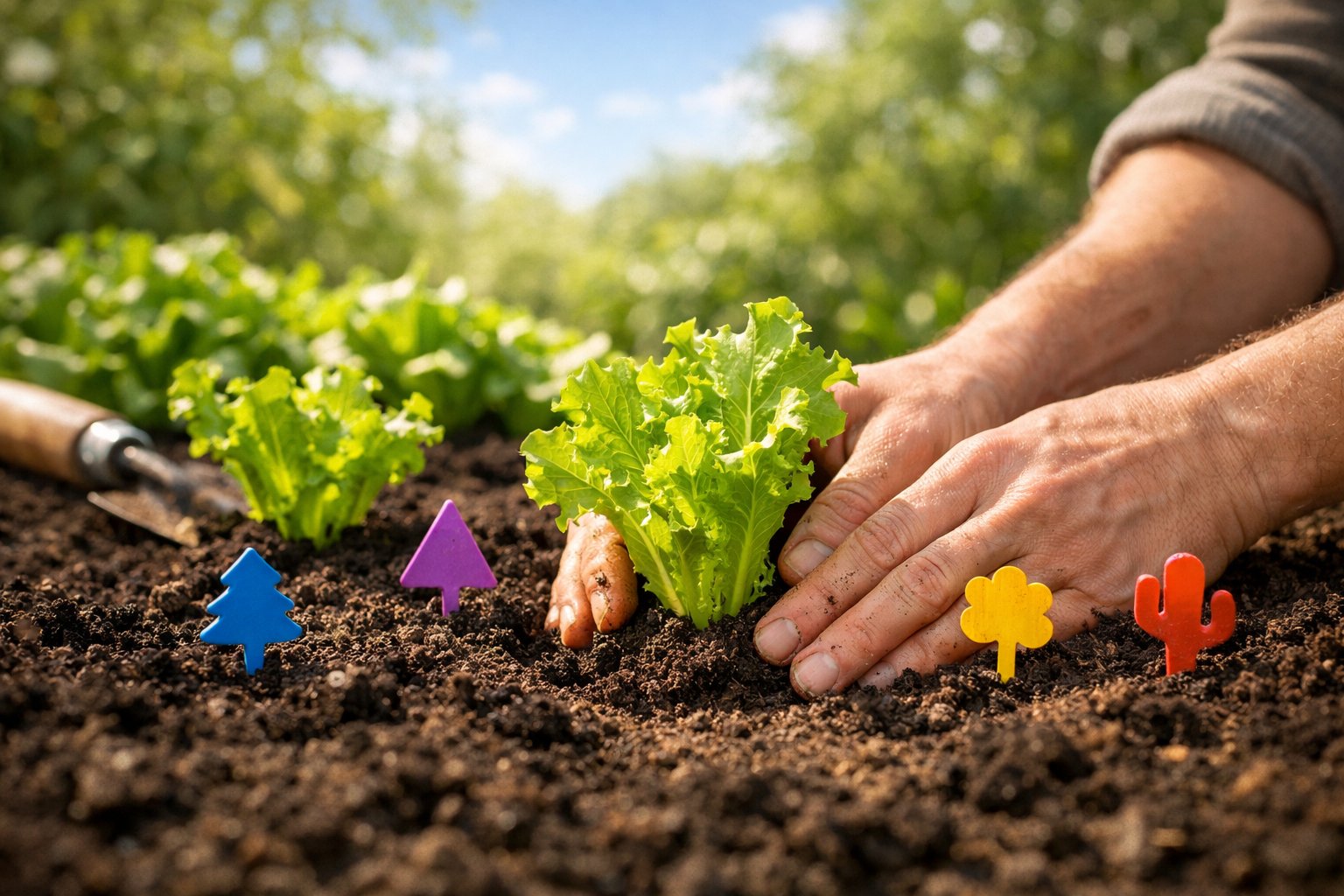
USDA hardiness zones define the average minimum winter temperatures in different regions, which directly affects when gardeners can start planting lettuce and what varieties will thrive. These zones help determine frost dates and growing windows for lettuce in each area.
What Are USDA Hardiness Zones?
The USDA plant hardiness zone map divides North America into 13 zones based on average annual minimum winter temperatures. Each zone represents a 10-degree Fahrenheit difference in the coldest temperatures a region typically experiences. Zone 1 is the coldest, while Zone 13 is the warmest.
Most lettuce growers in the United States work within zones 3 through 10. These zones range from areas with winter lows of -40°F to regions that rarely see frost. The USDA plant hardiness zone system helps gardeners understand their local climate and make better decisions about planting times.
Each zone can be further divided into "a" and "b" subcategories, which represent 5-degree temperature differences. This added detail helps gardeners pinpoint their exact growing conditions and plan more accurate planting schedules.
How to Find Your Plant Hardiness Zone
Gardeners can find their zone by visiting the official USDA plant hardiness zone map online and entering their zip code. The interactive map shows color-coded zones across the country. Most seed catalogs and gardening websites also include zone information.
Local garden centers and agricultural extension offices provide zone information specific to the area. They often have printed copies of the hardiness zone map. Many gardening apps now include built-in zone finders that use location services.
The zone alone doesn't tell the complete story. Microclimates within a zone can shift planting windows by one to two weeks. Urban areas tend to be warmer than rural surroundings, and south-facing slopes warm up faster than north-facing ones.
Why Zones Matter for Lettuce Growth
USDA hardiness zones determine the first and last frost dates in each region, which are critical for lettuce planting. Lettuce is a cool-season crop that grows best when temperatures stay between 45°F and 75°F. Frost dates tell gardeners when it's safe to plant in spring and when to expect the growing season to end in fall.
| Zone | Last Spring Frost | First Fall Frost | Best Planting Windows |
|---|---|---|---|
| 3–4 | Late May–Early June | Early September | Late spring, late summer |
| 5–6 | Late April–Mid May | Mid–Late October | Early spring, early fall |
| 7–8 | Late March–Mid April | Mid–Late November | Late winter through spring, fall |
| 9–10 | Late February–Early March | Rare to No Frost | Fall through spring |
Zones 3–4 have short growing seasons, so gardeners need to start lettuce indoors and use season extension methods. Zones 5–6 can direct sow in spring and fall. Zones 7–8 offer longer growing windows with multiple planting opportunities. Zones 9–10 can grow lettuce almost year-round but must avoid the hottest summer months.
Best Time to Plant Lettuce in Zones 3–10
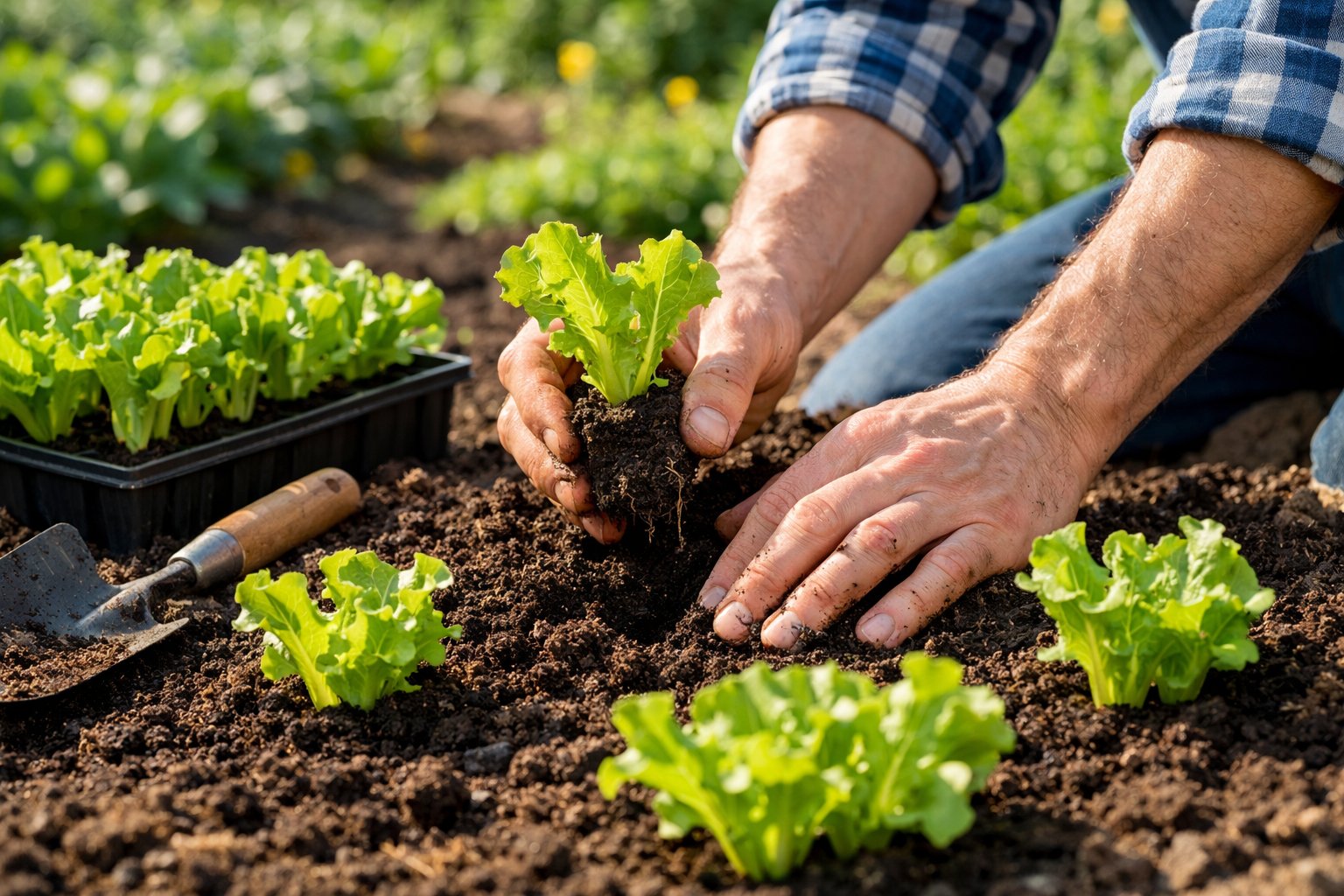
Lettuce thrives in cool weather, and successful planting depends on understanding the specific temperature needs and frost patterns for each USDA zone. The ideal temperature range for lettuce is between 45°F and 75°F, with planting times varying significantly across zones based on local frost dates.
Spring Planting Timelines by Zone
Zones 3-5 can begin spring planting 2-3 weeks before the last frost date, typically in late April or May. Gardeners in these northern regions should wait until the soil can be worked and reaches at least 40°F.
Zones 6-7 have earlier planting windows, starting seeds outdoors in March or April. These mid-Atlantic regions benefit from milder spring weather that allows for longer growing seasons.
Zones 8-10 face different challenges with spring planting. Southern gardeners should plant lettuce in late winter or early spring, typically January through March, before temperatures climb too high. In these warmer zones, spring planting must be completed early to avoid heat stress that causes lettuce to bolt.
Starting seeds indoors 4-6 weeks before the last frost date extends the growing season in any zone. This method gives seedlings a head start and produces earlier harvests.
Fall Planting Considerations
Fall planting produces some of the best lettuce crops because cooler temperatures slow bolting and improve flavor. Zones 3-5 should plant 6-8 weeks before the first fall frost, usually in late July or August.
Zones 6-7 have more flexibility, with planting windows from late August through September. These regions can plant 4-6 weeks before the first frost and still achieve full maturity.
Zones 8-10 benefit from extended fall and winter growing seasons. Gardeners in these southern zones can plant lettuce from September through November for harvests that continue through winter months. The mild winters allow for continuous production when northern gardens lie dormant.
Most lettuce varieties mature in 45-60 days, so counting backwards from the first expected frost date determines the ideal fall planting schedule for any zone.
Summer Planting and Heat Challenges
Summer heat presents significant obstacles for lettuce cultivation. Temperatures above 80°F cause lettuce to bolt, turning leaves bitter and ending production.
Zones 3-5 have short summer windows where heat-tolerant varieties like Jericho or Magenta can survive. Even in these cooler zones, providing afternoon shade and consistent moisture helps lettuce withstand warmer periods.
Zones 6-10 face intense summer heat that makes lettuce production difficult or impossible. Most gardeners in these zones skip summer planting entirely and focus efforts on spring and fall crops instead.
Gardeners determined to grow summer lettuce should choose slow-bolting varieties, plant in partial shade, and provide extra water during hot spells. Container growing allows movement to cooler locations as needed.
Frost Dates and Planting Windows
Local frost dates form the foundation of any planting calendar. The last spring frost and first fall frost create boundaries for the outdoor growing season.
Light frosts (28-32°F) don't harm established lettuce plants, but hard frosts (below 28°F) damage or kill crops. This cold tolerance allows gardeners to plant earlier in spring and extend harvests later into fall than many other vegetables.
Most agricultural extension offices provide specific frost date information for local areas. These dates represent averages, so gardeners should monitor weather forecasts and use row covers or cold frames for protection during unexpected cold snaps.
A planting schedule that accounts for both frost dates and the 45-60 day maturity period ensures lettuce reaches harvest size during optimal temperature ranges. Succession planting every 2-3 weeks throughout the cool season provides continuous harvests rather than a single large crop.
Lettuce Varieties for Different Climates
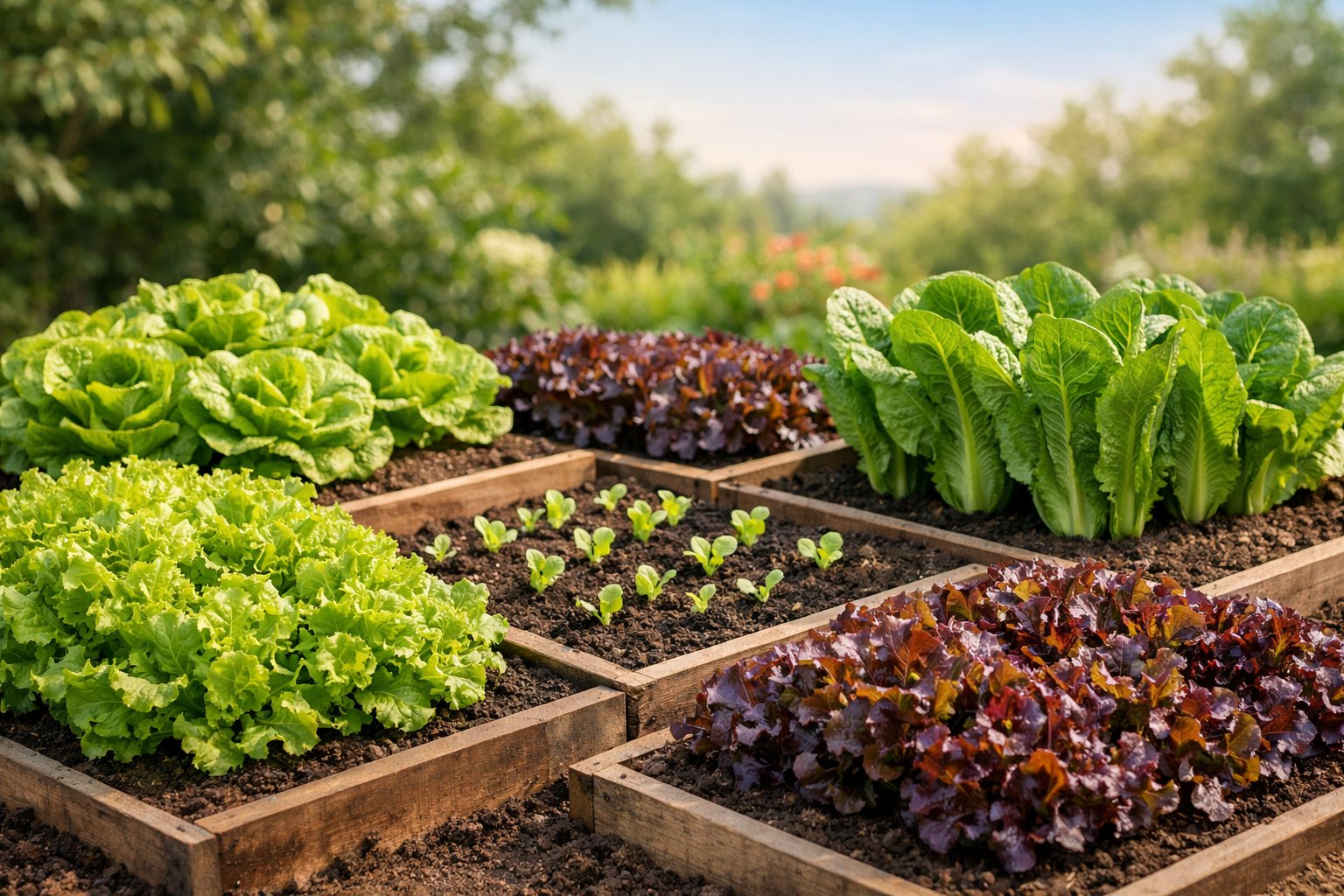
Different lettuce types perform better in specific temperature ranges, and selecting varieties based on climate ensures better harvests and fewer problems with bolting or frost damage. Maturity speed also affects when gardeners can harvest their crops.
Loose-Leaf Lettuce vs. Head Lettuce
Loose-leaf lettuce grows faster than head lettuce and tolerates temperature swings better. These varieties reach harvest in 40-50 days and allow for cut-and-come-again harvesting. Gardeners can pick outer leaves while the plant continues producing new growth from the center.
Head lettuce includes romaine, butterhead, and crisphead types. These varieties need 60-80 days to form full heads. They require more consistent temperatures and struggle in heat.
Key Differences:
| Type | Days to Maturity | Temperature Tolerance | Harvest Method |
|---|---|---|---|
| Loose-Leaf | 40-50 days | More flexible | Multiple cuttings |
| Head Lettuce | 60-80 days | Less flexible | Single harvest |
Loose-leaf works better for beginners and succession planting. Head lettuce rewards gardeners with dense, crisp hearts when conditions stay cool.
Cold-Hardy and Heat-Tolerant Choices
Cold-hardy varieties handle frost and cold temperatures better than standard types. 'Winter Density' romaine survives temperatures down to 20°F with protection. 'Arctic King' and 'North Pole' butterhead varieties grow well in cold frames during winter months.
Heat-tolerant varieties resist bolting when temperatures rise. 'Jericho', 'Muir', and 'Salvius' romaine maintain quality in warmer weather. 'Black Seeded Simpson' and 'Red Sails' loose-leaf varieties handle heat stress better than most head lettuce types.
Zones 3-6 benefit most from cold-hardy varieties for spring and fall plantings. Zones 7-10 need heat-tolerant types for late spring and early summer crops. These cool-season vegetables perform best when matched to local climate patterns.
Choosing Lettuce by Maturity Rate
Fast-maturing varieties (40-45 days) suit short growing seasons and succession planting schedules. 'Salad Bowl', 'Oak Leaf', and 'Buttercrunch' reach harvest size quickly. These work well in Zones 3-5 where the window between frosts stays narrow.
Medium-maturing varieties (50-60 days) balance yield with quality. 'Red Romaine', 'Parris Island Cos', and 'Tom Thumb' butterhead fall into this category. They handle moderate weather changes during growth.
Slow-maturing varieties (65-80 days) produce larger heads with denser leaves. 'Iceberg', 'Great Lakes', and 'Summertime' crisphead types need the full season. These varieties suit Zones 7-10 where mild fall and spring seasons last longer. Gardeners should plant slow types early enough to mature before extreme heat or hard freezes arrive.
Planning and Scheduling Lettuce Successions
Succession planting keeps lettuce producing fresh leaves every week instead of all at once. A planting schedule based on zone-specific timing ensures continuous harvests from early spring through late fall.
Succession Planting Techniques
The basic method involves sowing small batches of lettuce seeds every 10 to 14 days throughout the growing season. This staggered approach prevents a single large harvest that might go to waste. Gardeners should plant only what they can use within a week or two.
Most gardeners find success with these techniques:
- Time-based intervals: Sow new seeds every 2 weeks from the last spring frost until 6 weeks before summer heat arrives
- Stage-based planting: Start the next batch when previous seedlings develop their first true leaves
- Mixed maturity: Plant fast-maturing looseleaf types (45 days) alongside slower butterhead varieties (60 days) in the same succession
The optimal succession window varies by zone. Zones 3-6 typically run successions from April through May and again from August through September. Zones 7-10 can extend successions from February through April and September through November.
Using Planting Guides and Calendars
A planting calendar tailored to the specific hardiness zone eliminates guesswork about when to start each succession. Most planting guides mark dates based on the average last spring frost and first fall frost for each zone.
Gardeners should track these key dates on their planting schedule:
- First safe outdoor sowing date (usually 4 weeks before last frost)
- Weekly succession dates through the spring season
- Summer break period when heat causes bolting
- Fall restart date (typically 10 weeks before first frost)
- Final planting date for the season
Many zip code-based planting calendars account for microclimates within zones. These tools adjust recommendations based on elevation, proximity to water, and urban heat islands. Recording actual planting dates and harvest results each season helps gardeners refine their schedule for local conditions.
Soil Preparation and Site Selection
Lettuce grows best in loose, fertile soil with good drainage and needs the right balance of sunlight and shade depending on the season. Proper site selection and soil preparation directly impact leaf quality, growth rate, and overall harvest success.
Improving Soil Health and Fertility
Lettuce requires soil rich in organic matter to support its shallow root system and rapid growth. Gardeners should work 2-3 inches of compost into the top 6 inches of soil before planting. This improves soil structure, adds nutrients, and helps retain moisture without causing waterlogging.
The ideal pH range for lettuce is 6.0 to 7.0. Testing soil pH before planting helps identify whether amendments are needed. If the soil is too acidic, adding lime raises the pH. If it's too alkaline, sulfur or additional compost can lower it.
Lettuce benefits from nitrogen-rich soil since it focuses on producing leaves rather than fruits or roots. A balanced fertilizer applied at planting time supports steady growth. Avoid over-fertilizing, which can lead to excessive leaf growth with poor flavor.
Well-drained soil prevents root rot and disease. Heavy clay soils should be amended with compost and sand to improve drainage. Sandy soils benefit from added organic matter to increase water retention.
Raised Beds and Container Options
Raised beds offer excellent control over soil quality and drainage, making them ideal for lettuce production. They warm up faster in spring and allow gardeners to customize soil mixtures for optimal growth. A depth of 6-8 inches provides enough space for lettuce roots.
Containers work well for small spaces and allow mobility to adjust light exposure. Pots should be at least 6 inches deep with drainage holes. A quality potting mix retains moisture while draining excess water.
Both raised beds and containers enable succession planting in organized sections. Gardeners can plant new rows every two weeks without disturbing established plants. These systems also reduce soil-borne diseases and make pest management easier.
Optimal Sunlight and Shade Requirements
Lettuce needs different light conditions depending on the season and temperature. In spring and fall, full sun (6-8 hours) produces the fastest growth and best leaf development. Cool temperatures combined with ample sunlight create ideal growing conditions.
During summer months, lettuce requires protection from intense afternoon heat. Shade cloth with 30-50% density reduces heat stress and prevents bolting. Planting lettuce in partial shade or on the east side of taller plants provides natural protection.
In zones 9-10, gardeners should position lettuce where it receives morning sun and afternoon shade. In zones 3-6, maximizing sun exposure helps compensate for cooler temperatures and shorter growing seasons. Cold frames or row covers extend the season while still allowing sufficient light penetration.
Season Extenders and Frost Protection Strategies
Extending the lettuce growing season requires simple protective measures that shield plants from frost and regulate soil temperature. Cold frames, row covers, mulch, and indoor seed starting allow gardeners to plant earlier in spring and harvest later into fall and winter.
Cold Frames and Row Covers for Early and Late Planting
Cold frames act as miniature greenhouses that trap heat and protect lettuce from frost. These structures typically consist of a wooden or plastic frame with a transparent top. Gardeners can plant lettuce 2-4 weeks earlier in spring using cold frames, and they can extend fall harvests well past the first frost date.
Row covers offer lighter protection through floating fabric that sits directly on plants or rests on hoops. These covers protect lettuce from light frosts down to about 28°F. They also shield young plants from pests while allowing water and light to reach the crop.
Gardeners in zones 3-6 benefit most from these protection methods during shoulder seasons. In zones 7-10, row covers help moderate temperature swings during winter growing. Both methods work best when combined with proper ventilation on warm days to prevent overheating and disease.
Mulching Techniques for Temperature Control
Mulch regulates soil temperature by insulating roots from extreme temperature fluctuations. A 2-3 inch layer of organic mulch like straw, shredded leaves, or compost helps keep soil cool during warm periods and prevents frost from penetrating too deeply during cold snaps.
For spring planting, gardeners should wait until soil warms to at least 40°F before applying mulch. Adding it too early traps cold in the soil and delays growth. For fall and winter crops, applying mulch after plants establish helps maintain consistent soil moisture and protects roots from hard freezes.
Light-colored mulches like straw reflect heat and work well for summer lettuce in warmer zones. Darker mulches absorb heat and suit early spring planting in cooler zones. Gardeners should keep mulch 1-2 inches away from lettuce stems to prevent rot and pest problems.
Using Grow Lights to Start Seeds Indoors
Starting lettuce seeds indoors under grow lights gives gardeners a 4-6 week head start on the growing season. LED or fluorescent lights positioned 2-4 inches above seedlings provide adequate light for sturdy growth. Seedlings need 12-16 hours of light daily.
Indoor seed starting works especially well in zones 3-6 where outdoor planting windows are short. Gardeners can transplant hardened-off seedlings outdoors once soil becomes workable and temperatures stay above 35°F. This method also enables year-round lettuce production in any climate when combined with indoor growing systems.
Seeds germinate best at 60-70°F. Once seedlings emerge, cooler temperatures around 55-65°F prevent leggy growth and produce stockier plants ready for transplanting.
Companion Planting and Crop Rotation for Lettuce
Pairing lettuce with the right plants can boost growth and keep pests away, while rotating crops each season prevents soil depletion and disease buildup. These simple strategies work together to create healthier lettuce plants and better harvests.
Best Companion Plants for Lettuce
Root vegetables like carrots, beets, and radishes make excellent companions for lettuce. These plants grow deep in the soil while lettuce has shallow roots, so they don't compete for nutrients. Radishes also mature quickly and can be harvested before lettuce needs more space.
Herbs provide natural pest protection. Basil, dill, oregano, thyme, rosemary, and sage release strong scents that confuse and repel aphids and other insects that damage lettuce. Dill attracts beneficial insects that eat common lettuce pests.
Beans and peas add nitrogen to the soil as they grow. This nutrient helps lettuce develop healthy green leaves. Pole beans can also provide shade for lettuce during hot weather, which prevents the plants from bolting too early.
Flowers like marigolds, nasturtiums, and calendula draw pollinators to the garden while keeping harmful insects away. Marigolds specifically repel slugs and aphids that commonly attack lettuce.
Tall crops such as tomatoes, peppers, eggplant, broccoli, and brussels sprouts can offer afternoon shade. This protection helps lettuce stay cool in warmer zones.
Plants to avoid near lettuce include cabbage, kale, bok choy, collards, and chard. These leafy greens attract similar pests and compete for the same nutrients.
Crop Rotation Practices to Reduce Disease
Lettuce should not be planted in the same spot year after year. Moving lettuce to different beds each season prevents the buildup of soil diseases and pests that target leafy greens.
A simple four-year rotation works well. Plant lettuce and other leafy greens like spinach in year one. Follow with root vegetables such as carrots, turnips, or beets in year two. These plants break up compacted soil and use different nutrients than lettuce.
In year three, plant fruiting crops like tomatoes, peppers, cucumbers, zucchini, summer squash, winter squash, melons, watermelon, eggplant, or okra. These plants have different nutrient needs and don't share lettuce diseases.
Year four should include legumes like beans and peas, or heavy feeders like corn, sweet corn, cabbage, broccoli, or sweet potatoes. Cover crops can also be planted during this year to restore soil nutrients and improve soil structure before starting the cycle again with lettuce.
This rotation keeps the soil healthy and reduces the need for pesticides. Each plant family leaves different nutrients in the soil and attracts different beneficial organisms.
Pest Management and Common Lettuce Challenges
Lettuce faces several key threats during its growing cycle, with aphids being the most persistent pest problem and environmental conditions triggering premature bolting. Understanding these challenges helps gardeners protect their crops and maintain healthy plants.
Preventing and Managing Aphids
Aphids rank as the most damaging pest for lettuce crops. These tiny insects cluster on leaf undersides and stems, sucking plant juices and potentially spreading diseases.
Early detection matters most for effective control. Gardeners should inspect plants every few days, checking the undersides of leaves where aphids congregate. A strong spray of water can dislodge small infestations before they spread.
Natural predators offer excellent pest control without chemicals. Ladybugs, lacewings, and parasitic wasps feed on aphids and keep populations under control. Planting flowers like alyssum and marigolds near lettuce attracts these beneficial insects to the garden.
For larger infestations, insecticidal soap or neem oil provides safe treatment options. Apply these products in the early morning or evening to avoid leaf burn. Repeat applications every 5-7 days until the aphids disappear.
Environmental Stress and Bolting
Heat triggers bolting, the process where lettuce sends up a flower stalk and turns bitter. This happens when temperatures exceed 75°F for several consecutive days.
Choosing bolt-resistant varieties extends the growing season in warmer weather. Buttercrunch and Jericho lettuce tolerate higher temperatures better than most other types. Planting in partial shade during late spring and summer also prevents heat stress.
Consistent watering reduces environmental stress on lettuce plants. The soil should stay moist but not waterlogged. Irregular watering schedules can trigger early bolting even in cool weather.
General Pest Control Methods
Crop rotation prevents pest buildup in the soil. Gardeners should avoid planting lettuce in the same spot for two to three seasons. This breaks the life cycle of soil-dwelling pests and disease organisms.
Row covers create a physical barrier against many common pests. Lightweight fabric allows light and water through while keeping insects away from young plants. Remove covers once plants mature or when temperatures rise above 70°F.
Companion planting strengthens natural pest control. Chives, garlic, and onions repel aphids and other insects when planted near lettuce. Spacing plants properly also improves air circulation and reduces disease problems.
Frequently Asked Questions
Lettuce planting times depend heavily on frost dates, climate zones, and whether gardeners choose direct sowing or transplanting. Heat tolerance and variety selection also play major roles in timing decisions.
What is the optimal time of year to plant lettuce in cooler climates such as Zone 3?
Gardeners in Zone 3 should start lettuce seeds indoors 6-8 weeks before the last spring frost, which typically occurs in late May to early June. This gives seedlings time to develop before transplanting outdoors once the soil becomes workable.
For fall harvests, seeds should be started indoors in mid-July. Transplants can move outside in early August, giving plants 8-10 weeks to mature before the first fall frost in early September.
Cold frames or row covers help protect plants from unexpected late spring or early fall frosts. These protective measures extend the growing season by several weeks.
How do planting dates for lettuce vary across different climate zones, like from 3 to 10?
Zone 3-4 gardeners start seeds indoors in late winter and transplant in late spring. Zone 5-6 allows for direct sowing in early to mid-April with transplants by mid-May.
Zones 7-8 have longer growing windows, with direct sowing possible from February through April in spring. Fall planting begins in September and continues through October.
Zones 9-10 enjoy nearly year-round lettuce growing. Spring plantings run from January through March, while fall sowings start in late September and continue through December. Winter plantings grow successfully outdoors without protection in these zones.
In warmer regions like Zone 10, when is the best time to start lettuce seeds outdoors?
Zone 10 gardeners should avoid planting lettuce during the hottest summer months. The best planting window runs from late September through March when temperatures stay cooler.
Direct sowing works well from January through March for spring crops. Fall and winter plantings perform best when seeds go into the ground between late September and December.
Shade cloth becomes necessary if gardeners attempt spring plantings that will mature during warmer weather. Most Zone 10 growers focus on fall through spring production to avoid bolting issues.
Is there a difference in plantation schedule for head lettuce versus leaf lettuce in Zone 7?
Both head and leaf lettuce follow similar planting schedules in Zone 7. Spring plantings begin in late March through mid-April, while fall sowings occur from September through October.
Head lettuce varieties require more time to mature, typically 60-80 days compared to 40-50 days for leaf types. Gardeners should account for this difference when planning harvest dates.
Leaf lettuce tolerates heat slightly better than head lettuce. This makes leaf varieties more suitable for late spring plantings that might experience warmer temperatures before harvest.
How can growing conditions affect lettuce planting times in diverse zones, including Zone 8b?
Soil temperature affects germination rates more than air temperature. Lettuce seeds germinate best when soil reaches 40-70°F, with optimal germination at 60-65°F.
Microclimates within a zone create variations in planting times. Gardens with afternoon shade can support later spring plantings and earlier summer sowings than gardens in full sun.
Zone 8b gardeners can direct sow from late February through April for spring crops. Fall plantings work from September into November, with winter growing possible under row covers or cold frames.
What are the key considerations when deciding when to transplant lettuce seedlings to the garden?
Seedlings need 3-4 true leaves before transplanting outdoors. This typically occurs 3-4 weeks after germination under proper growing conditions.
Soil temperature should reach at least 40°F for successful transplanting. Hardening off seedlings for 7-10 days before transplanting reduces shock and improves survival rates.
Frost tolerance allows lettuce transplants to handle light frosts down to 28-30°F. However, gardeners should use row covers or frost cloth when temperatures drop below 32°F to prevent damage. Spacing transplants 6-12 inches apart depending on variety ensures adequate air circulation and room for growth.