How to Grow Kale for Fall and Winter Harvests
Grow kale for fall and winter: choose hardy types, plant by USDA zone, space and water well, then harvest leaf by leaf after frost sweetens the crop.
Thoughtful tools and clear guides for planning, planting, and better harvests.
AgrowGuide combines practical garden calculators with clear, step-by-step growing guides—so you can plan better and grow with confidence.
Planting calendars, frost dates, and seed-starting schedules for your zone.
Soil volumes, watering needs, and what to plant right now—fast answers for the garden.
Practical watering guidance based on plant type, soil, and climate zone.
Focused guides for tomatoes, lettuce, carrots, and more.
Practical tools for planning, soil, and watering.
Look up estimated first and last frost dates plus growing season length using a ZIP code, city, country, or USDA zone.
Open tool →Calculate how much water your plants need based on plant type, region (USDA zones or EU countries), soil type, and planting method. Get personalized watering schedules and weekly water requirements in gallons/cups (US) or liters (EU).
Open tool →Find your ideal planting windows, frost dates, and recommended varieties for USDA Zones 3-10. Get zone-specific guidance for when to plant your favorite vegetables.
Open tool →Calculate exactly how much soil you need for your raised garden bed. Enter your bed dimensions and get precise measurements in cubic feet, cubic yards, and bag quantities.
Open tool →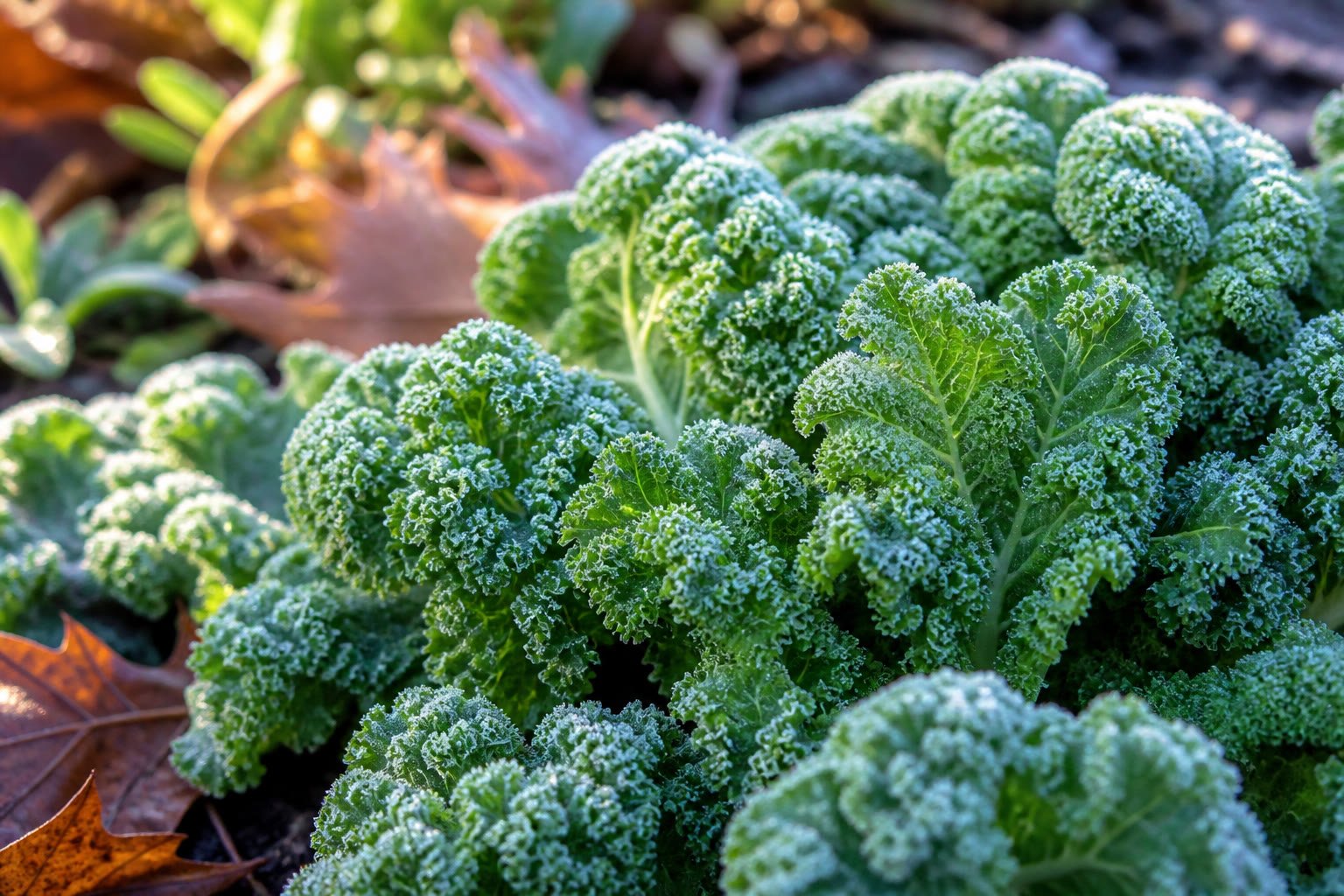
Grow kale for fall and winter: choose hardy types, plant by USDA zone, space and water well, then harvest leaf by leaf after frost sweetens the crop.
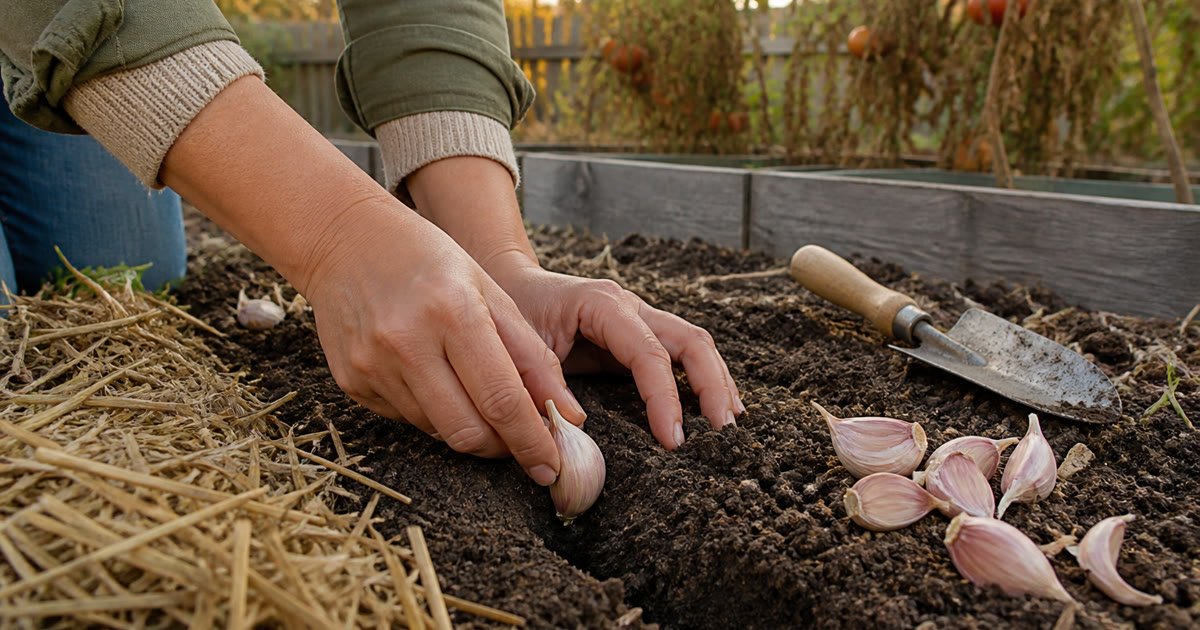
Fall is the right time to plant garlic. This guide covers when to plant by USDA zone, hardneck vs softneck, how deep and far apart to set cloves, mulching for winter, and what to expect through harvest.
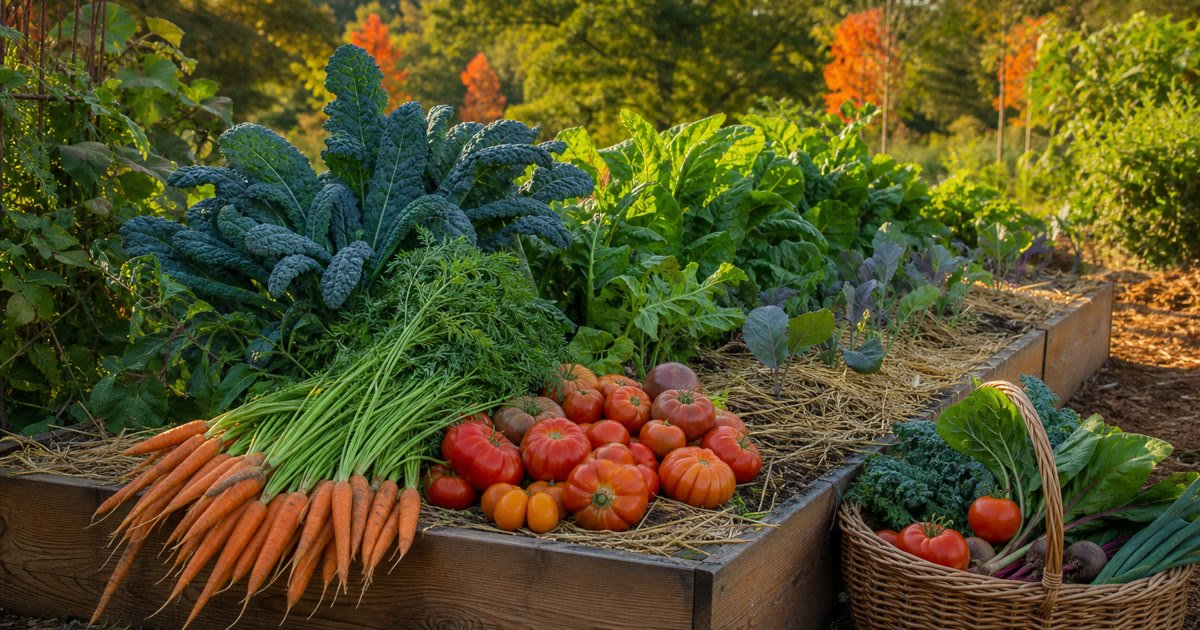
September is the pivot from summer harvest into fall planting: first frost approaches in cooler zones, warm-season crops get a last push, and cool-season vegetables go in the ground. This checklist covers harvest, succession planting, frost prep, soil refresh, and cleanup across USDA Zones 3–10.
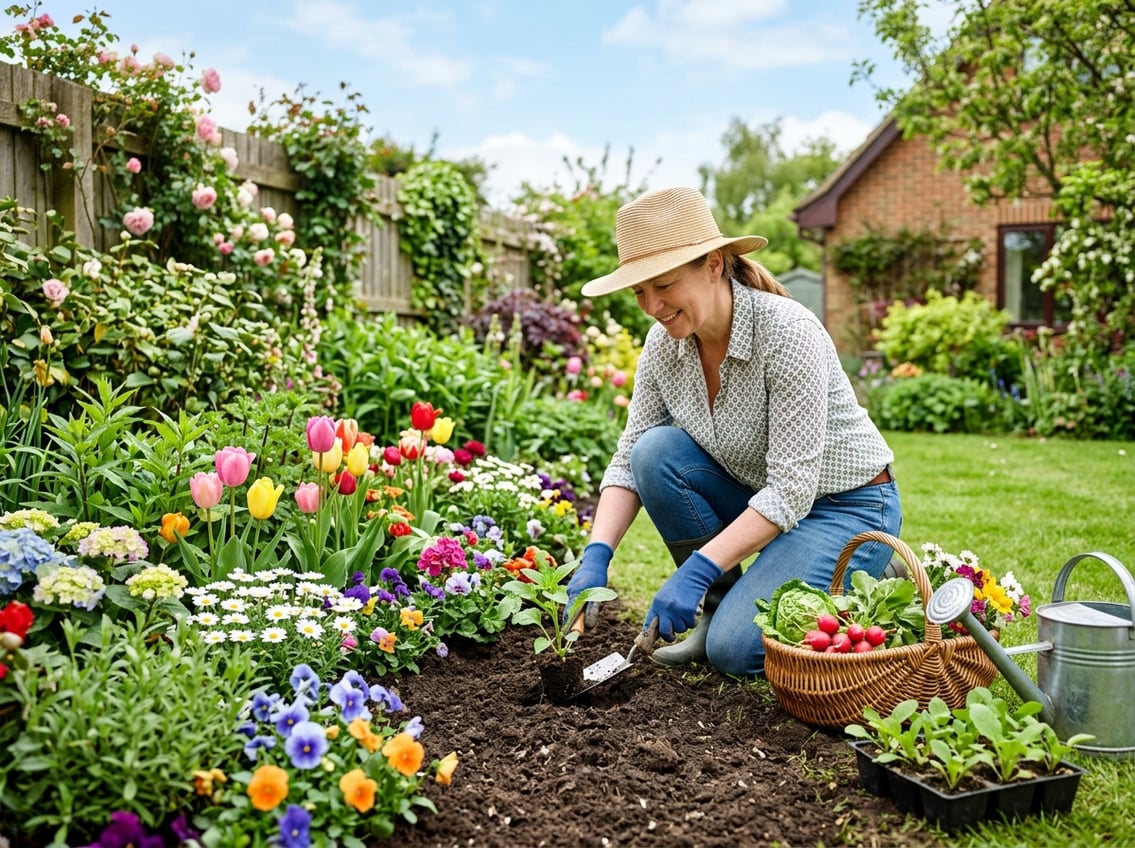
May is the turning point when frost risk fades, soil finally warms enough for tender crops, and the garden shifts from cool-season growth into full summer production. The month rewards gardeners who break the work into clear categories rather than tackling everything at once: getting warm-season vegetables in the ground at the right time, refreshing soil and beds for heavy growth ahead, setting up consistent watering, and scouting for pests before they take hold. This checklist walks through every priority task across USDA Zones 3–10, from transplanting tomatoes and direct sowing squash to pruning spring-blooming shrubs and dividing crowded perennials.
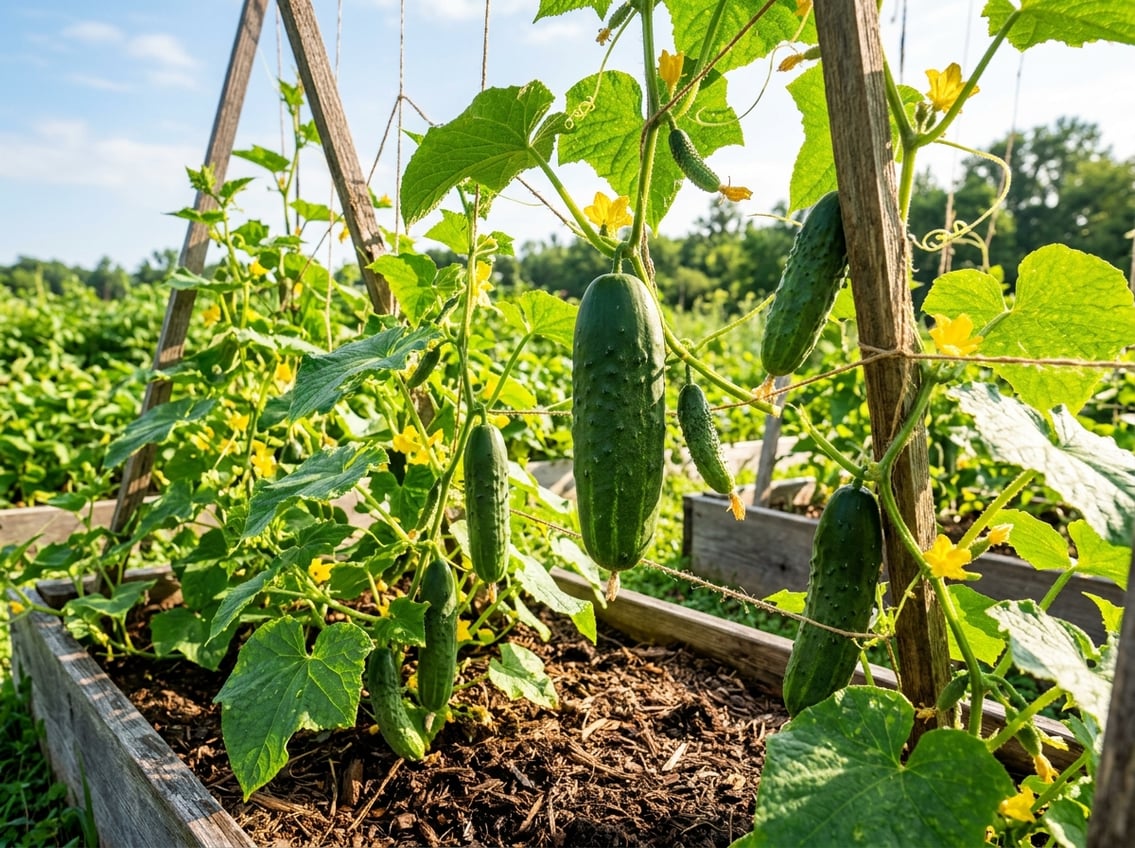
Cucumbers are one of the most popular warm-season vegetables in home gardens — but the gap between a handful of bitter fruits and a steady, abundant harvest comes down to getting five things right: choosing the right variety for your space, planting after the soil is warm enough, building fertile and well-draining soil, watering consistently, and staying ahead of pests and diseases. This guide walks through every step of growing cucumbers across USDA Zones 3–10, from picking between slicing, pickling, and burpless types to harvesting at peak flavor, whether you're working with a backyard bed, a raised bed with a trellis, or a single 5-gallon container on a balcony.
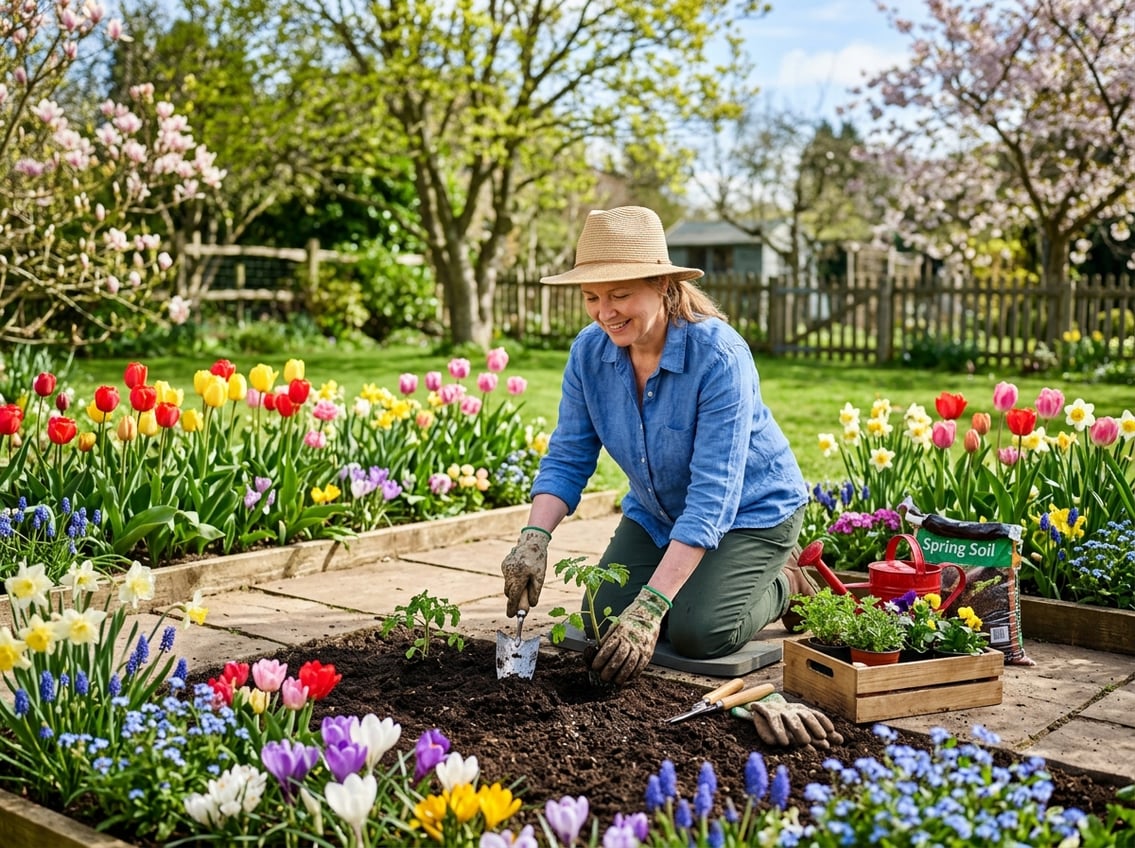
April is one of the most productive months in the gardening calendar, bringing cool mornings, warming soil, and longer days that signal it's time to get serious about planting, soil prep, and seasonal maintenance. Success comes down to sequencing: confirm your frost date and soil conditions first, then plant cool-season crops, start warm-season seeds indoors, prepare beds, care for trees and flowers, and stay ahead of pests and weeds before they take hold. This practical checklist walks through every step across USDA Zones 3–10, whether you're working a backyard plot, raised beds, or a handful of patio containers.
Jump into guides by growing theme.
Guide to growing plants indoors
When to plant by USDA zones
Tips and guides for raised bed gardening
Everything about growing tomatoes
Gardening tools and equipment
Practical vegetable gardening guides for beginners and home growers. Learn when to plant, how to prepare soil, choose the best vegetables for your zone, and grow healthier crops with step-by-step advice.
Recent tools and site improvements.
Grow kale for fall and winter: choose hardy types, plant by USDA zone, space and water well, then harvest leaf by leaf after frost sweetens the crop.
Fall is the right time to plant garlic. This guide covers when to plant by USDA zone, hardneck vs softneck, how deep and far apart to set cloves, mulc...
September is the pivot from summer harvest into fall planting: first frost approaches in cooler zones, warm-season crops get a last push, and cool-sea...
Seed Starting, Planting Calendar, What to Plant Now, Frost Date Lookup, and the Plant Watering Calculator now read frost dates and plant catalogs from the same database—so admin edits stay in sync across tools.
Successful gardening isn't just about planting seeds — it's about timing, preparation, and understanding your specific growing conditions.
Consistent watering, proper soil preparation, accurate spacing, and well-timed planting schedules can significantly increase yields while reducing plant stress and common problems like nutrient deficiencies or weak seedlings.
By combining structured planting calendars with practical garden calculators, you remove guesswork from the process. Whether you're growing in raised beds, containers, or traditional garden plots, having a clear plan improves both harvest quality and long-term garden health.
Smart planning helps you: