Kale is one of the most reliable cool-season vegetables for USDA Zones 3 through 10. Planted on time in late summer or early fall, it keeps producing after tender crops are gone, and light frost makes the leaves sweeter rather than weaker. For fall and winter harvests, plant kale early enough to build a strong plant before hard freezes, then pick outer leaves as the plant grows.
This guide covers kale types for cold weather, when to plant by zone, seeds versus transplants, soil and spacing, frost and flavor, succession planting, pests, leaf-by-leaf harvest, overwintering, and spring bolting. Pair the timing with the Planting Calendar and your local first frost from the Frost Date Lookup. For the wider September workload that often includes kale, see What to Do in the Garden in September.
Key Takeaways
- Plant kale 6 to 8 weeks before the first hard freeze for a full fall plant, or use transplants to buy two weeks. Confirm the date with the Frost Date Lookup.
- Choose cold-hardy types (Siberian, Red Russian, curly, Lacinato), space plants 12 to 18 inches apart in compost-rich soil, and keep moisture even while seedlings establish.
- Harvest outer leaves after light frost for sweeter flavor. Mulch or cover for winter in Zones 3 through 7. Expect spring bolting once days lengthen and nights warm.
Choose Kale Types Built for Cold Weather
Not every kale variety handles the same winter. Match leaf type to cooking use and hardiness, then plant enough of at least one tough variety for December and January.
Curly Kale for Everyday Cooking
Curly kale (Scotch types such as Winterbor and Darkibor) has tightly ruffled leaves and a sturdy stem. It is the default grocery kale and a solid garden workhorse. Leaves hold up in soups and sautees, and mature plants take temperatures into the teens°F with protection. In Zones 3 through 6, curly kale is a reliable overwinter crop under mulch or a low tunnel.
Lacinato (Dinosaur) Kale for Tender Leaves
Lacinato, also called dinosaur or Tuscan kale, has long, blistered, blue-green leaves and a milder, slightly sweeter flavor when young. It is excellent for raw salads and quick cooking. Lacinato is a bit less cold-hardy than the hardiest Siberian types, but it still handles light frost well and often survives into the teens°F under cover. In Zones 7 through 10 it is a mainstay winter green.
Red Russian Kale for Mild Flavor and Color
Red Russian has flat, oak-shaped leaves with purple stems and veins. The leaves are tender when young and sweeten quickly after cold nights. It germinates and grows fast, which makes it useful for succession sowings and baby-leaf harvests. Hardiness is good into the teens°F. The color holds in cool weather and stands out in mixed beds.
Siberian Kale for the Coldest Gardens
Siberian kale (and related Napus types such as Red Ursa) is among the hardiest group for home gardens. Leaves are often flatter or lightly waved, with a milder bite. In Zones 3 through 5, Siberian types are the best bet for plants that still put out usable leaves after repeated freezes. Use them where winter dips below 10°F and row cover or heavy mulch is part of the plan.
When to Plant Kale by USDA Zone for Fall and Winter
Time kale from the first hard freeze (around 28°F), not from the calendar alone. The plant needs weeks of growth before deep cold so crowns and roots are established.
Count Backward From the First Hard Freeze
Look up the average first frost with the Frost Date Lookup, then note when nights routinely reach the mid-20s°F. For a full-size fall plant from seed, sow about 8 to 10 weeks before that hard freeze. For transplants, set plants out 6 to 8 weeks before hard freeze. Baby-leaf sowings can go in later because they are harvested young.
Fall growth slows as day length drops. Add 10 to 14 days to packet "days to maturity" when planning full plants. Raised beds and dark containers stay warmer by day but can freeze sooner on clear nights, so measure conditions in the bed you will use. Check what still fits this week with What to Plant Right Now.
Zone 3 Through 10 Planting Windows
Use these as starting points, then adjust for local frost and weather:
- Zones 3 through 5: Direct sow or start seeds indoors in late July through mid-August. Set transplants by mid- to late August. Early September is late for full plants unless you use transplants and row cover. Overwinter under heavy mulch or a low tunnel; harvest resumes in late winter thaws.
- Zones 6 and 7: Sow or transplant through August into early September. Mid-September transplants still make a solid fall crop with cover ready. Many gardens keep picking into December and January with mulch and floating row cover.
- Zones 8 through 10: Treat late summer heat carefully. Wait until nights settle below about 70°F, then sow and transplant from September into October (and later in Zone 10). This is the main kale season, not a short shoulder crop. Plants often produce through winter with little or no cover.
In hot Zones 8 through 10, afternoon shade cloth for a week after sowing improves germination when soil is still warm. In cold zones, do not wait for September if the first hard freeze is mid-October. Kale planted too late stays small and has little to harvest before growth stalls.
Start From Seed or Use Transplants
Both methods work. The choice is about how many weeks remain before hard freeze and how much pest pressure the seedbed will face.
Direct Sowing for Succession and Baby Leaves
Direct sow when soil is about 60 to 75°F for reliable germination. In still-warm August soil, keep the surface moist for 5 to 10 days. Sow 1/4 to 1/2 inch deep. Thin to final spacing once seedlings have two true leaves, or sow thick for baby kale and cut at 3 to 4 inches.
Succession sow every 2 to 3 weeks while the window is open. In Zones 3 through 5, that may mean only one or two sowings. In Zones 6 and 7, two or three sowings fill the fall. In Zones 8 through 10, keep sowing into late fall for a continuous winter supply. Fast baby-leaf crops fit shorter windows when full plants no longer will.
Indoor Starts and Harden-Off Before Planting Out
Start seeds indoors 4 to 6 weeks before the outdoor transplant date if cabbage worms, heat, or a short window make direct sowing risky. Use the Seed Starting Calculator to backdate from your frost timing. Grow seedlings under strong light so stems stay short and sturdy.
Before planting out, harden seedlings off for 7 to 14 days. Kale is cold-hardy, but indoor plants still burn and wilt if moved straight into full sun and wind. Start with a few hours of outdoor shade, then increase sun and time until plants can stay out overnight. Set transplants on a mild or cloudy day. Water in well.
Nursery transplants are fine if they are stocky, green, and not root-bound. Avoid tall, yellowing plants that have sat too long in small cells. Those struggle in fall heat or early cold snaps.
Prepare Soil, Spacing, and Water
Kale fails more often from dry seedbeds, crowded plants, and nitrogen-starved soil than from cold.
Soil, Compost, and Raised Beds
Give kale 6 hours of sun in cool weather. In Zones 8 through 10, light afternoon shade in early fall reduces stress while nights are still warm. Ideal soil is fertile, well drained, and near pH 6.0 to 7.0. Work 1 to 2 inches of finished compost into the top 6 to 8 inches before planting. A light feeding of balanced vegetable fertilizer at planting helps leafy growth. Skip heavy nitrogen after plants are established if aphids are already present.
Raised beds drain well and warm evenly for fall sowing. Kale does well in about 10 to 12 inches of mix. If you are filling or topping a bed, the Raised Bed Soil Calculator estimates volume. Do not plant kale where cabbage, broccoli, or other brassicas just grew if clubroot or heavy cabbage worm pressure was a problem. Rotate when you can.
Spacing for Full Plants Versus Baby Greens
For full plants harvested leaf by leaf:
- Space transplants or thinned seedlings 12 to 18 inches apart.
- Use 12 inches for smaller types and baby-to-full harvests; 18 inches for large curly and Lacinato plants.
- Rows or bed grids: 18 to 24 inches between rows for airflow.
For baby kale, sow in bands or blocks and cut leaves at 3 to 4 inches. Leave a second sowing coming behind so harvest never stops. Crowded full plants stay small, stay wet on the leaves, and attract more aphids and mildew.
Water While Plants Establish, Then Steady Moisture
Keep the top inch of soil moist until seeds emerge and transplants root. After that, aim for about 1 inch of water a week from rain and irrigation combined. Check the top 2 inches with a finger. Dry soil makes leaves tough and bitter. Soggy soil invites root problems and slugs.
Water at the base in the morning so foliage dries before evening. Raised beds and containers still dry out on windy fall days even when nights are cool. For a zone- and method-based estimate, use the Plant Watering Calculator. Mulch 1 to 2 inches of straw or shredded leaves once plants are 4 to 6 inches tall to hold moisture and buffer soil temperature.
Cold Hardiness, Frost, and Better Flavor
Kale is built for weather that ends tomatoes and basil. Use that hardiness on purpose.
How Cold Kale Can Handle
Mature, hardened kale commonly survives light frost and often keeps going into the teens°F. Siberian and some curly types push lower with mulch or row cover. Young seedlings are more tender. Protect them with floating row cover if a hard freeze arrives before plants are well established.
A single night near 32°F rarely damages established plants. Repeated nights in the low 20s°F without cover can burn leaf edges and stall new growth. In Zones 3 through 5, plan on cover or a tunnel for midwinter harvests. In Zones 8 through 10, frost is often a flavor tool rather than a survival crisis.
Why Frost Improves Taste
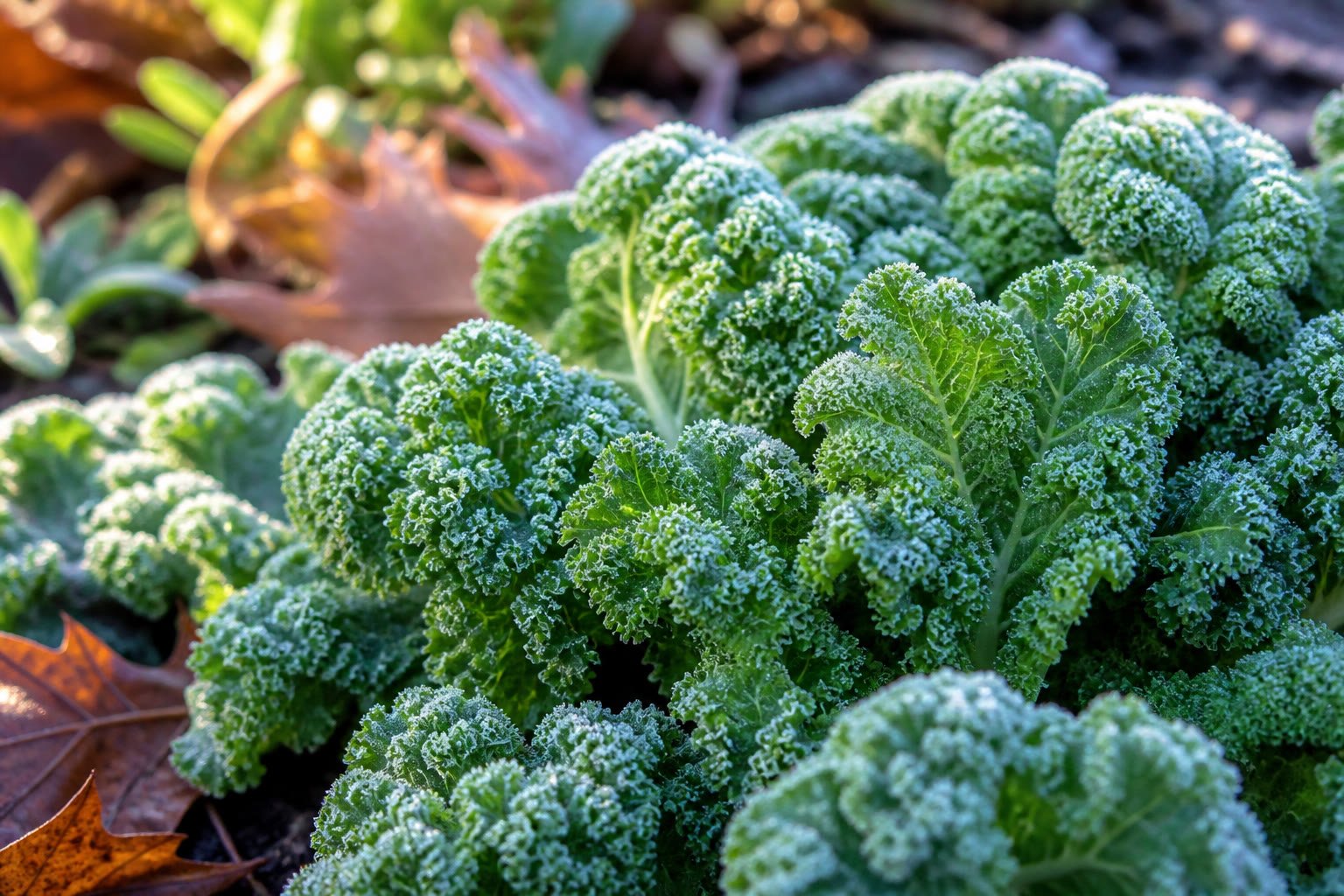
After cool nights and light frost, kale converts more starches to sugars. Leaves taste sweeter and less bitter. That is why fall and winter kale often beats spring kale for raw use. Do not strip a plant bare right before a hard freeze. Leave the growing crown and several young leaves so the plant can keep producing when weather moderates.
If a deep freeze is forecast, harvest a large share of mature outer leaves for the kitchen, then cover the crowns. Plants bounce back from the center when temperatures rise.
Succession Planting and Season Extension
One sowing rarely covers September through March. Layer plantings and simple covers.
Stagger Sowings While the Window Is Open
Plant a first batch for full-size fall plants. Two to three weeks later, sow a second batch for baby leaves or later full plants. In mild-winter zones, a third sowing in late fall carries the deepest winter. In cold zones, put energy into one strong planting plus cover rather than many weak late sowings.
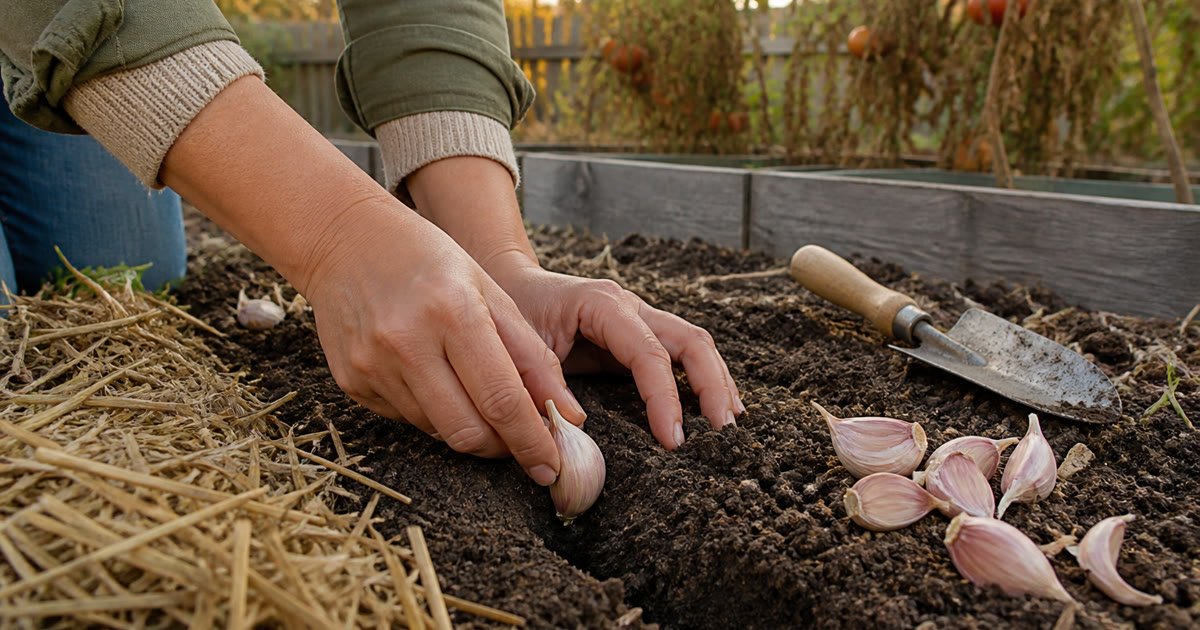
Mix types: curly or Siberian for winter hardiness, Red Russian or Lacinato for salads. Empty summer beds freed in the September checklist are ideal for these sowings. Garlic can share a bed edge where space allows; see How to Plant Garlic in Fall for clove timing that often overlaps kale mulching.
Row Covers, Mulch, and Low Tunnels
Floating row cover keeps cabbage moths off in early fall and adds a few degrees of frost protection later. Secure the edges so wind does not whip the fabric. In Zones 3 through 6, a low tunnel over sturdy hoops turns kale into a midwinter crop. Mulch crowns heavily after the soil cools, leaving the growing tip free to push through.
Remove or vent covers on warm sunny days so plants do not cook and aphids do not explode in still, humid air. Replace covers before the next cold night.
Manage Cabbage Worms, Aphids, and Other Pests
Fall kale shares pests with broccoli and cabbage. Scout early, when control is easy.
Cabbage Worms and Loopers
Imported cabbage worms (green caterpillars from white butterflies) and cabbage loopers chew holes in leaves and hide along midribs. Check the undersides of leaves twice a week from late summer through mild fall weather. Hand-pick small numbers. For heavier pressure, use Bt (Bacillus thuringiensis) while caterpillars are small, following the label. Row cover installed at planting, before butterflies find the bed, is the cleanest prevention.
Damage that looks like shot holes on young leaves is often flea beetles. Row cover helps there too. Once plants are large and nights are cold, flea beetle pressure usually drops.
Aphids on Soft New Growth
Aphids cluster on tender new leaves and undersides, especially under row cover or during mild spells. Blast them off with a strong stream of water in the morning. Insecticidal soap works on contact if coverage is thorough; repeat as directed. Avoid heavy nitrogen late in the season, which pushes soft growth aphids love.
Lady beetles and lacewings often move in if you skip broad-spectrum sprays. Remove heavily infested outer leaves during harvest rather than letting colonies spread into the crown.
Slugs, Deer, and Disease Basics
Slugs favor cool, wet mulch and young seedlings. Hand-pick at dusk, keep mulch a little off the stems, and use iron phosphate baits if needed. Deer browse kale readily; fencing or cover is more reliable than sprays.
Remove yellowing lower leaves that lie on wet soil. Good spacing and morning watering reduce foliar disease. Pull plants that collapse from root issues and avoid replanting brassicas in that spot next season if clubroot is suspected.
Harvest Leaf by Leaf, Then Overwinter
Kale is a cut-and-come-again crop. Treat the plant as a leaf factory, not a one-time head.
How to Harvest Without Ending the Plant
Start harvesting when plants have 8 to 10 true leaves. Take the largest outer leaves first, snapping or cutting them where the stem meets the main stalk. Always leave the central growing point and at least 4 to 6 upper leaves so the plant keeps producing.
Pick a few leaves from each plant rather than stripping one plant bare. Young leaves are tender for salads; mature curly leaves suit cooking. After frost, prioritize the sweetest outer leaves and keep harvesting through winter whenever the leaves are not frozen solid. Do not try to pick rock-hard frozen leaves; wait for a thaw so they do not turn to mush.
Overwintering by Zone
- Zones 3 through 5: Mulch around crowns after the soil cools. Add row cover or a low tunnel before deep cold. Harvest on mild days. Plants may look tired in January and resume strong growth in late winter.
- Zones 6 and 7: Mulch and floating row cover are usually enough for regular winter picks. Watch for ice storms that can break unprotected leaves.
- Zones 8 through 10: Overwintering is normal outdoor culture. Keep watering during dry spells, side-dress lightly midwinter if leaves pale, and maintain succession sowings.
In every zone, mark overwintered plants so spring cleanup does not remove them by mistake.
Expect Spring Bolt, Then Replant
Kale is biennial. After winter, lengthening days and warming nights push plants to flower.
Why Overwintered Plants Shoot to Seed
In spring, overwintered kale sends up a tall flower stalk, leaves turn bitter and sparse, and the plant finishes its cycle. That is normal, not a failure of care. You can eat small flower buds and tender stem tips briefly, similar to a mild broccoli raab, then pull the plant.
Do not count on the same plant for a quality late-spring leaf crop. Use the space for a new spring sowing or for summer crops once frost risk passes. Compost healthy bolted plants. If aphids or disease built up on old stems, dispose of that material instead of composting cold.
Reset the Bed for the Next Cool Season
After pulling spring-bolted kale, refresh the bed with compost before summer planting, or keep a light cover crop until the next fall kale window. Note which varieties survived winter best so next year's seed order matches your zone. Set a midsummer reminder from the Planting Calendar so the fall crop goes in on time again.
Frequently Asked Questions
When should I plant kale for fall and winter in my USDA zone?
Plant so full plants have 6 to 8 weeks of growth before hard freeze: late July through mid-August in Zones 3 through 5, August into early September in Zones 6 and 7, and September into October (or later) in Zones 8 through 10 once nights cool. Confirm frost timing with the Frost Date Lookup. Use transplants if the seed window is almost closed.
Which kale varieties are best for cold weather?
Siberian types are the hardiest for Zones 3 through 5. Curly kale (Winterbor and similar) and Red Russian are excellent all-around fall and winter choices. Lacinato (dinosaur) kale is slightly less extreme-cold hardy but thrives with cover and is outstanding in Zones 6 through 10. Plant more than one type if you want both cooking leaves and tender salad greens.
Should I start kale from seed or buy transplants?
Both work. Direct sow for succession and baby leaves when soil is moist and in the 60 to 75°F range. Use transplants when fewer than 8 weeks remain before hard freeze, or when cabbage worms and heat make seedbeds unreliable. Harden off indoor or nursery plants before planting out.
How far apart should I plant kale, and what soil does it need?
Space full plants 12 to 18 inches apart in rows 18 to 24 inches apart. Use fertile, well-drained soil with compost worked into the top 6 to 8 inches and a pH near 6.0 to 7.0. Keep moisture even, about 1 inch of water a week after plants are established.
Does frost really make kale taste better?
Yes. Cool nights and light frost increase sugars in the leaves, so flavor turns sweeter and less bitter. That is one reason fall and winter harvests often taste better than midsummer kale. Protect plants from hard freezes so they survive to keep producing those sweeter leaves.
How do I harvest kale so the plant keeps growing?
Pick outer leaves and leave the central crown with several young leaves intact. Start when plants have at least 8 true leaves, and take a few leaves from each plant rather than stripping one plant. Avoid harvesting when leaves are frozen solid; wait for a thaw.
Will kale survive winter and produce again in spring?
In Zones 6 through 10, kale often produces through winter with little protection. In Zones 3 through 5, mulch and row cover or a low tunnel greatly improve survival. Overwintered plants usually bolt in spring as days lengthen. Harvest what you can, then pull and replant for the next cool season.