May is a turning point for home gardeners across USDA Zones 3 through 10. It is the month when frost risk drops in most areas, soil warms enough for tender crops, and the garden shifts from cool-season growth into full summer production. The most important may gardening tasks center on getting warm-season vegetables into the ground at the right time, preparing soil and beds for heavy summer growth, and setting up watering and pest prevention before problems start.
A solid may garden checklist keeps the month from feeling overwhelming. Rather than trying to do everything at once, gardeners can break the work into clear categories: planting and transplanting, soil and bed prep, irrigation setup, pest scouting, and seasonal maintenance. Keeping a garden journal through May also helps track what went in the ground, when frost actually cleared, and which tasks still need attention as the month progresses. For zone-specific planting dates and soil guidance, tools like the AgrowGuide Planting Calendar can help take the guesswork out of timing.
Key Takeaways
- Check frost dates and soil temperature before planting warm-season crops like tomatoes, peppers, and squash to avoid transplant loss.
- Prepare beds, containers, and soil with compost, mulch, and fertilizer before summer growth accelerates.
- Set up consistent watering and scout for pests early to prevent the most common may garden problems.
Start With Frost Dates, Soil Warmth, and Planting Timing
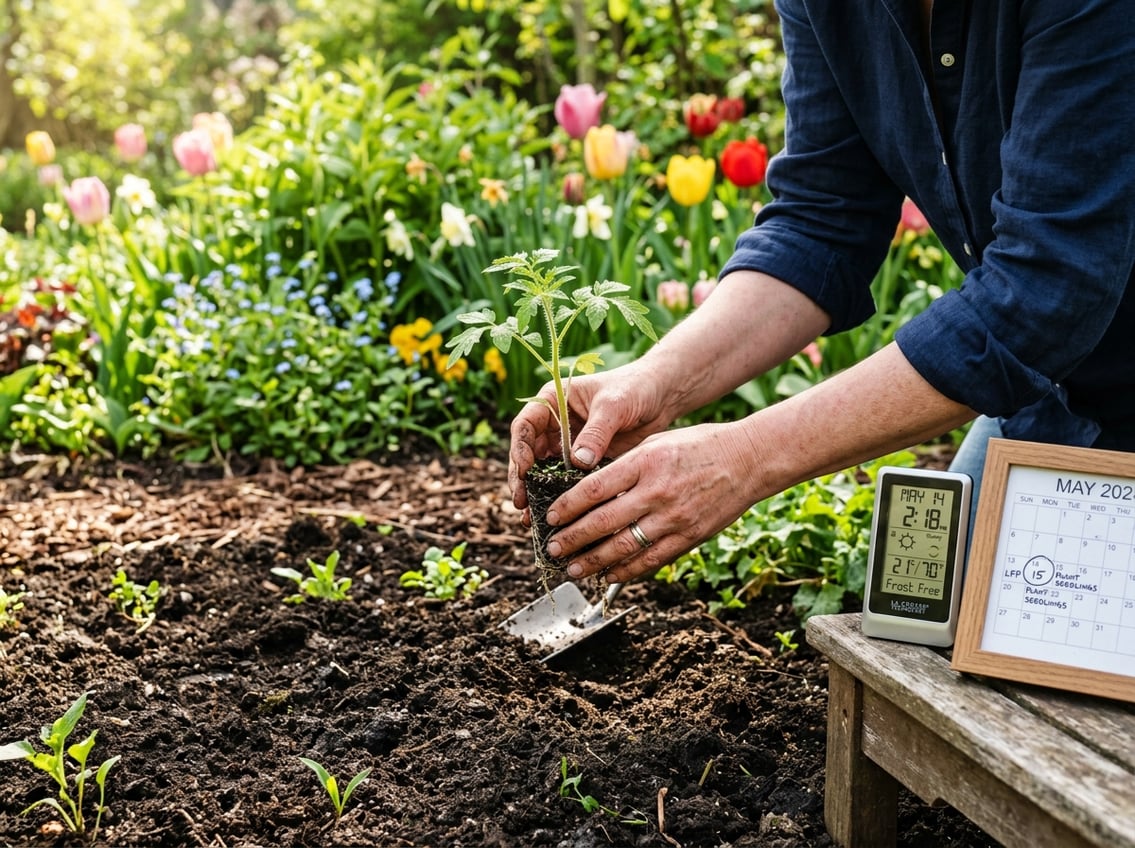
Before planting any warm-season crops, gardeners need to confirm that their local frost risk has passed and that soil temperatures support root growth for tender plants like tomatoes, peppers, eggplants, and squash. Timing varies widely by zone and growing setup, so checking conditions first prevents wasted effort and lost plants.
Check Your Last Frost Date Before Planting
The last frost date is the single most important number for May planting decisions. In Zone 5, the average last frost falls around mid-May, while Zone 7 gardeners are typically frost-free by mid-April. Zone 3 and 4 gardeners may not be clear until late May or even early June.
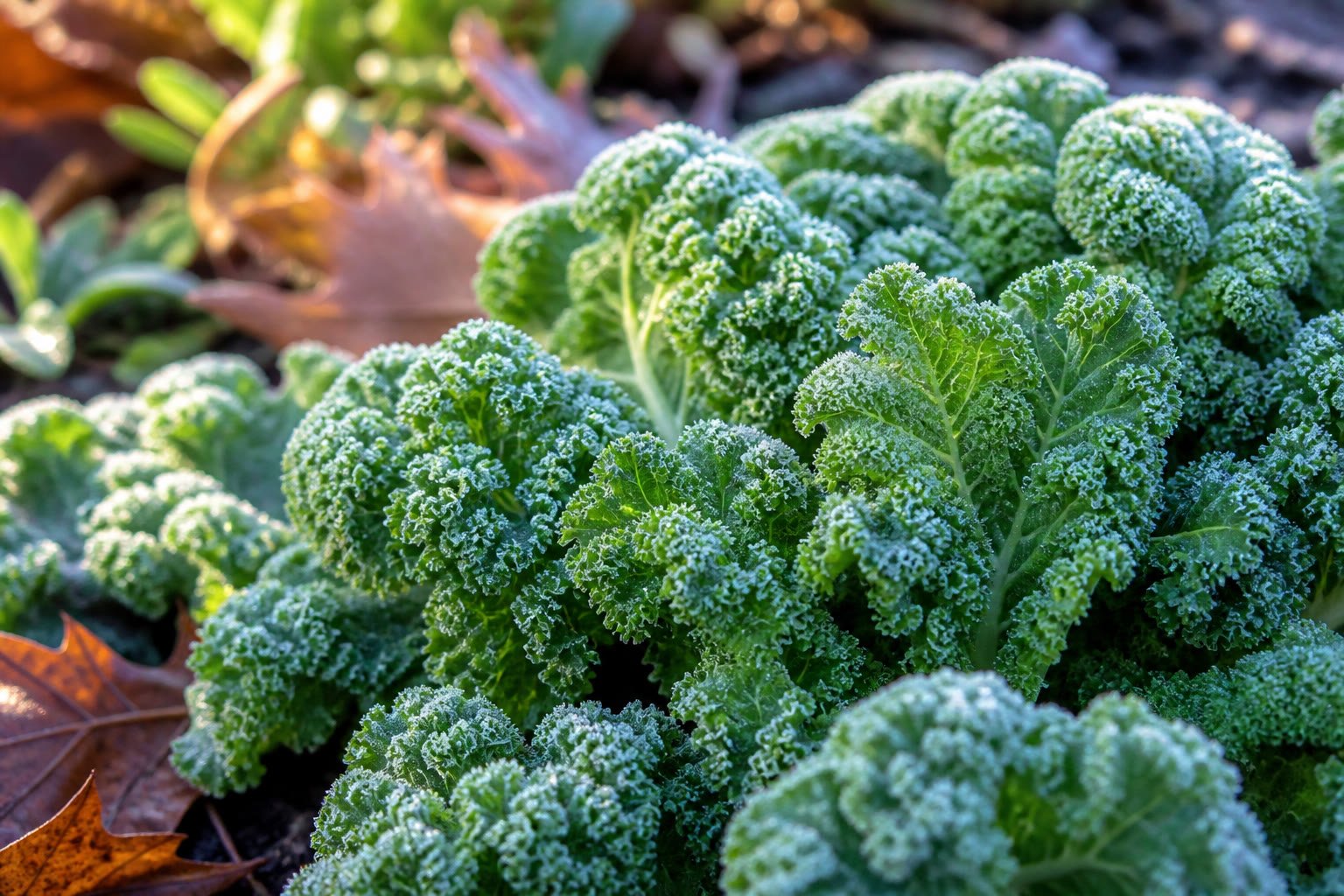
Look up frost dates through NOAA data or a zone-based planting calendar. If a late frost hits after transplanting, young warm-season vegetables can be killed overnight. It is always better to wait a few extra days than to replant an entire bed.
Know When Soil Is Warm Enough for Tender Crops
Air temperature alone does not tell the full story. Soil temperature is what actually determines whether roots can grow and seeds can germinate.
Use a soil thermometer pushed 4 to 6 inches deep. Plant tomatoes, peppers, and eggplants when soil stays consistently above 50°F. Wait until soil reaches 60°F or higher for squash, cucumbers, and melons. Cold soil slows growth and can stunt transplants for weeks.
Adjust Timing by USDA Zone and Growing Setup
Raised beds and containers warm up faster than in-ground soil, which can give gardeners a head start of a week or more. Balcony and patio growers in urban areas may benefit from reflected heat that warms containers earlier than garden beds in the same zone.
Gardeners in colder zones (3 through 5) should keep row covers or low tunnels on hand in case of a surprise cold snap. Southern zone gardeners (8 through 10) are often well past frost by May and can focus on heat management instead.
Plant and Transplant the Crops That Matter Most
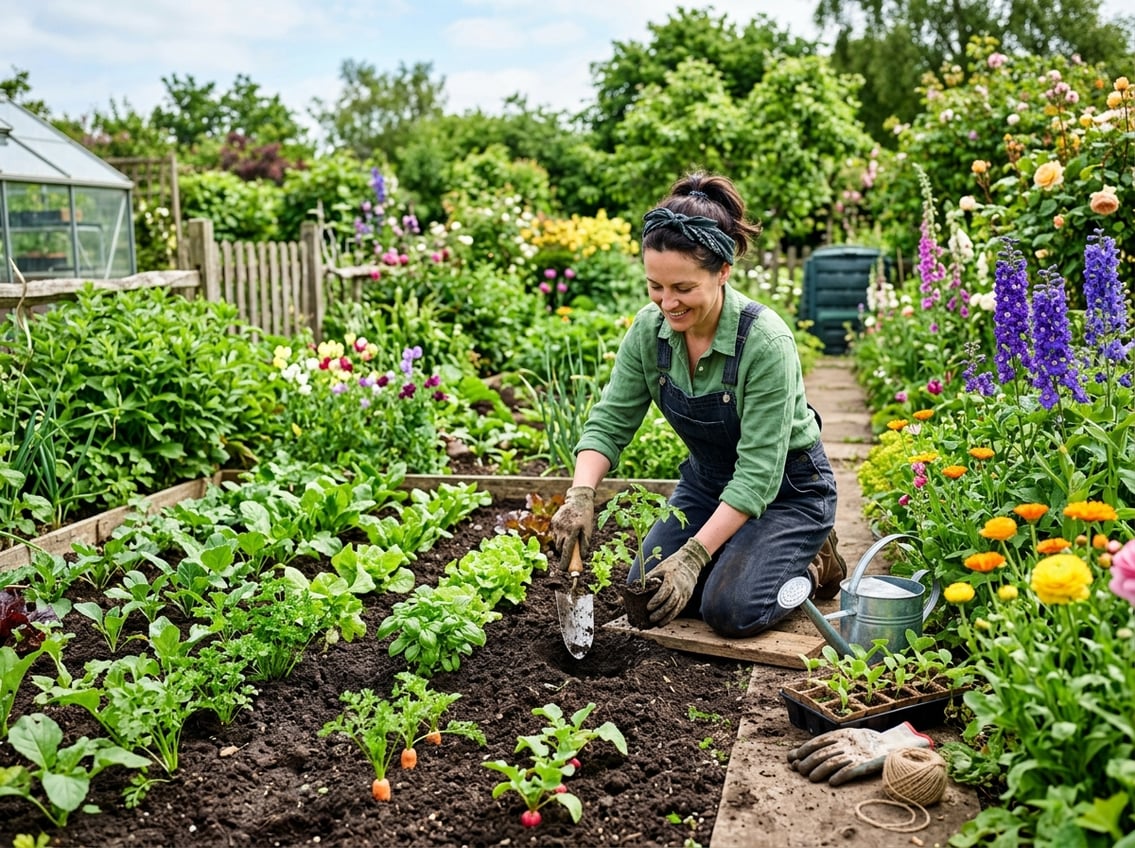
May is the prime transplanting window for most warm-season vegetables, and it is also the right time to direct sow fast-growing summer crops and add companion herbs for pest control and pollination support. Getting plants established now gives them the longest possible growing season.
Set Out Tomatoes, Peppers, and Eggplants Safely
Tomatoes, peppers, and eggplants are the backbone of most summer vegetable gardens, and May is the month to get them outside in Zones 4 through 8. Before transplanting, harden off seedlings by placing them outdoors in a sheltered spot for about a week. This gradual adjustment prevents transplant shock and leaf burn.
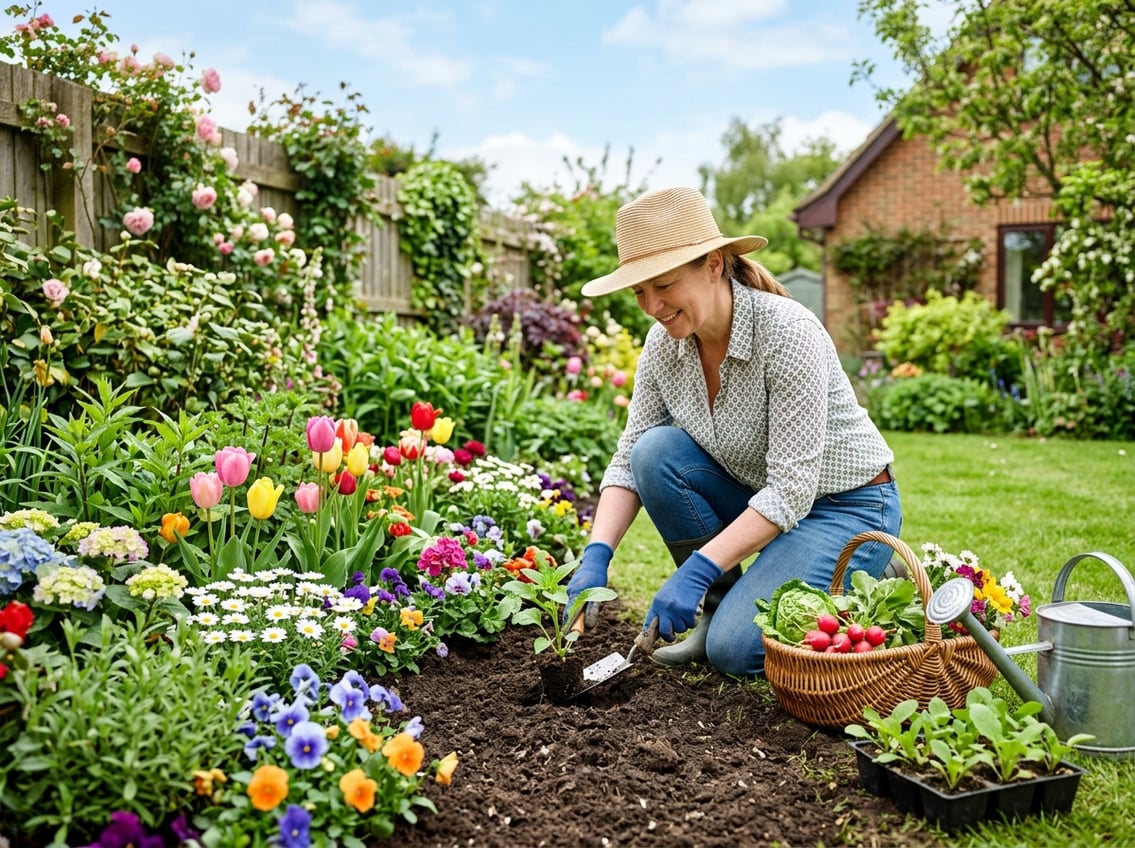
Plant tomatoes deep, burying the lower stem to encourage extra root growth. Peppers and eggplants should go in at the same depth they sat in their pots. Water deeply right after transplanting and avoid fertilizing for the first week so roots can settle.
In containers or raised beds, spacing matters. Give tomatoes at least 18 to 24 inches between plants, and peppers about 12 to 18 inches.
Direct Sow Fast-Growing Summer Crops
Once soil is 60°F or warmer, direct sow squash, cucumbers, zucchini, beans, and melons. These crops dislike root disturbance and perform better when seeded straight into the garden.
Plant seeds about 1 inch deep and keep soil consistently moist until germination. Succession planting beans and squash every two to three weeks extends the harvest window through summer.
Add Herbs and Companion Plants for Productivity
Basil planted near tomatoes helps repel certain pests and thrives in similar conditions. Parsley, dill, and rue attract beneficial insects like ladybugs and lacewings that feed on aphids.
Tuck herbs into empty spots between vegetables or along bed edges. In containers, basil and parsley make excellent companions in the same pot as peppers or tomatoes. Marigolds and alyssum planted throughout the garden provide pollinator habitat and additional pest deterrence.
Refresh Beds, Containers, and Soil Before Summer Growth
Soil that grew crops last season has likely lost some of its nutrients and structure. Taking time in early May to test, amend, and protect the soil pays off in stronger plants and better harvests once summer heat arrives.
Run a Soil Test and Correct Problems Early
A simple soil test reveals pH, nutrient levels, and organic matter content. Home test kits work for a quick check, while extension office lab tests give more detailed results.
Most vegetables grow best in soil with a pH between 6.0 and 7.0. If the pH is too low, add lime. If it is too high, sulfur or additional compost can help bring it down. Catching these issues in May allows amendments time to take effect before plants hit their peak growth.
Top-Dress With Compost and Mulch for Better Growth
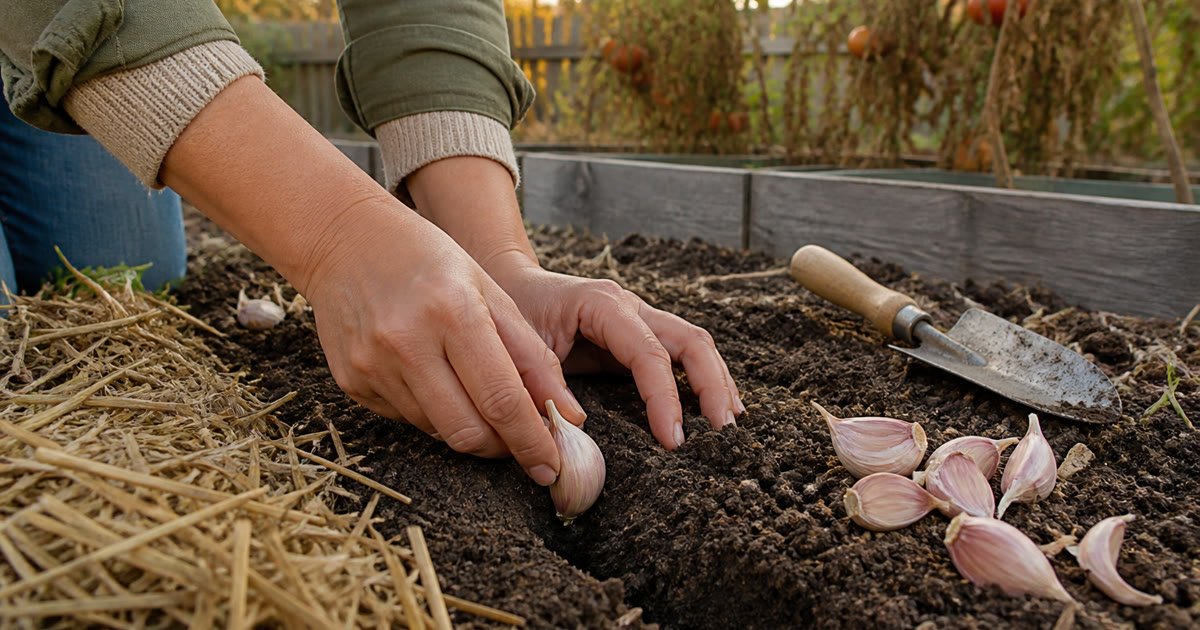
Spread 1 to 2 inches of finished compost over garden beds and work it lightly into the top few inches of soil. In raised beds and containers, add compost to replace volume lost from settling and decomposition over winter.
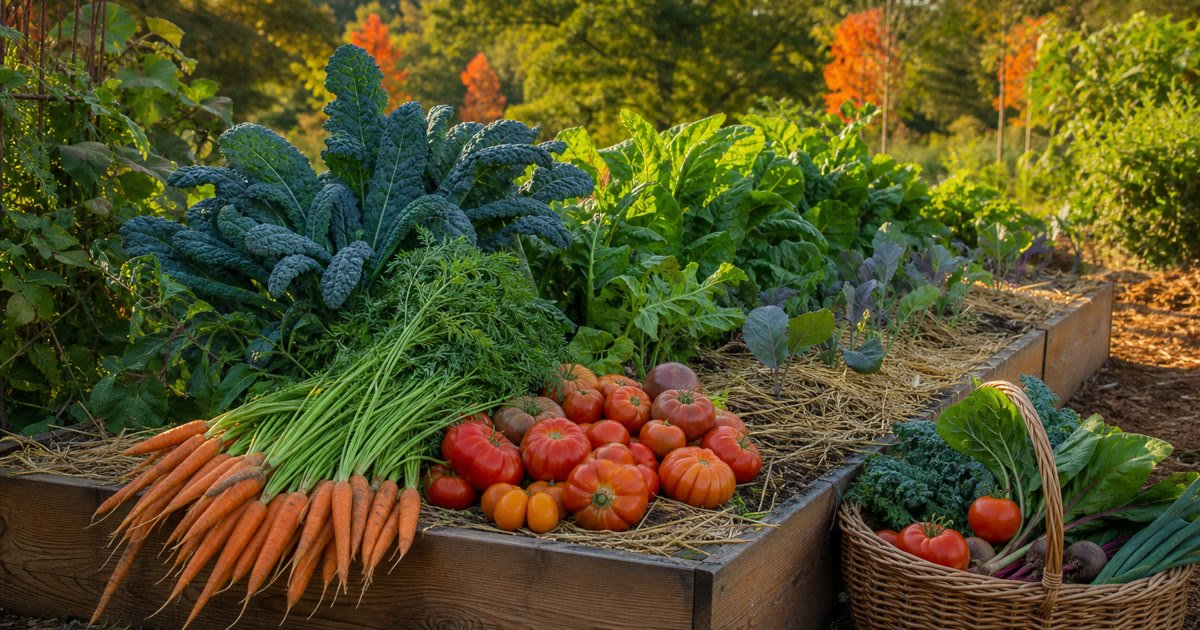
After planting, apply 2 to 3 inches of organic mulch, such as straw, shredded leaves, or wood chips, around plants. Mulching reduces moisture loss, moderates soil temperature, and suppresses weeds. Keep mulch a few inches away from plant stems to prevent rot.
Use Slow-Release Fertilizer Where Heavy Feeders Need It
Tomatoes, peppers, squash, and other heavy feeders benefit from a slow-release fertilizer applied at planting time. A balanced organic granular fertilizer (such as a 5-5-5 or 4-4-4) works well for most vegetables.
Avoid over-fertilizing. Too much nitrogen pushes leafy growth at the expense of flowers and fruit. Follow label rates, and consider a second application mid-season based on how plants respond. AgrowGuide's Raised Bed Soil Depth, Mix, and Fertilizer Guide can help gardeners dial in the right approach for their setup.
Set Up Watering and Protect Soil Moisture
Consistent moisture is one of the biggest factors in summer garden success. Setting up a reliable watering system in May, before heat and drought stress become issues, prevents the most common mid-season problems for warm-season crops.
Switch From Spring Rains to a Consistent Watering Plan
Spring rainfall is unreliable, and May often marks the transition to drier conditions in many regions. Rather than watering a little every day, aim for deep, infrequent watering. This encourages roots to grow deeper into the soil, making plants more resilient during hot stretches.
Most vegetable gardens need about 1 to 1.5 inches of water per week. Use a rain gauge or an empty tuna can to measure how much water the garden actually receives.
Choose Drip Irrigation or Soaker Hoses for Efficiency
Drip irrigation and soaker hoses deliver water directly to the soil surface and root zone, which reduces waste and keeps foliage dry. Wet leaves invite fungal diseases like powdery mildew and blight, so keeping water off the leaves is a practical way to prevent problems.
Drip lines work well in raised beds and row gardens. Soaker hoses are an affordable option for gardeners who want a simple setup without timers or complex fittings. Both systems can be placed under mulch for even better moisture retention.
Watch Soil Moisture in Raised Beds and Containers
Raised beds and containers dry out faster than in-ground gardens, especially as temperatures climb. Check soil moisture by pushing a finger 1 to 2 inches into the soil. If it feels dry at that depth, it is time to water.
Container plants on patios and balconies may need daily watering in warm weather. Grouping pots together helps reduce evaporation. Self-watering containers or trays beneath pots can also help maintain steady moisture. For gardeners who want more precision, the AgrowGuide Plant Watering Calculator provides watering estimates based on plant type, zone, and growing method.
Stay Ahead of Pests, Disease, and Early Damage
May's warming weather triggers pest emergence across the garden. Garden pests like aphids, flea beetles, cucumber beetles, and caterpillars become active as temperatures rise, and catching problems early makes them far easier to manage.
Scout Often for Common May Garden Pests
Walk through the garden every two to three days and check the undersides of leaves, stems, and the soil surface around plants. Look for holes in leaves, sticky residue, egg clusters, and wilting that does not match watering conditions.
Aphids tend to cluster on new growth. Flea beetles leave tiny round holes in brassica and eggplant leaves. Catching a small infestation early is far simpler than dealing with a full outbreak later in the month.
Use Row Covers and Prevention-First Crop Protection
Lightweight row covers draped over newly transplanted crops physically block pests from reaching plants. This is one of the most effective organic pest strategies, especially for squash vine borers, cucumber beetles, and cabbage moths.
Row covers also buffer young plants against cool nights and light wind. Remove them once crops start flowering so pollinators can access the blossoms. Beneficial insects like ladybugs and lacewings can be encouraged by planting small-flowered herbs and flowers nearby.
Treat Problems Carefully With Targeted Organic Options
When pests are already present, start with the least disruptive option. A strong spray of water knocks aphids off plants. Insecticidal soap works on soft-bodied insects like whiteflies and spider mites.
Neem oil is effective against a wider range of pests but should be applied in the evening to avoid harming pollinators. For caterpillar damage on brassicas or tomatoes, Bt (Bacillus thuringiensis) targets only caterpillars and is safe for other insects. Always identify the pest before treating so the right solution is used.
Handle Seasonal Maintenance Beyond the Vegetable Bed
May garden tasks extend beyond the vegetable patch. Pruning, dividing, and organizing all contribute to a garden that stays productive and manageable through summer.
Prune Spring-Blooming Shrubs After Flowering
Shrubs that bloom in spring, such as lilac, forsythia, and azalea, should be pruned shortly after their flowers fade. Pruning now gives them the rest of the season to set next year's flower buds on new growth.
Remove dead or crossing branches first, then shape the plant as needed. Avoid heavy pruning on summer-blooming shrubs, as those set their buds on current-season wood and should be pruned in late winter or early spring.
Divide Overcrowded Perennials and Tidy Bulb Foliage
Daylilies, hostas, and other perennials that have become crowded or are blooming less can be divided now while the weather is still mild. Dig up the clump, separate it into sections with healthy roots, and replant at the same depth.
Let spring bulb foliage, like tulip and daffodil leaves, die back naturally. The leaves feed the bulb for next year's bloom. Once the foliage has yellowed completely, it can be removed.
Keep Notes and Prioritize the Rest of the Month
A garden journal is one of the most underrated tools for improving results year over year. Record what was planted, when, and where. Note any pest sightings, frost dates, and first harvest dates.
Use a may garden checklist to stay organized through the busy weeks. Prioritize tasks that are time-sensitive, like transplanting and irrigation setup, and save lower-urgency jobs, like dividing perennials or reorganizing compost bins, for later in the month.
Frequently Asked Questions
What plants and vegetables can I sow or plant outdoors this month?
Once frost risk has passed and soil is warm enough, gardeners can transplant tomatoes, peppers, eggplants, and basil. Direct sow beans, squash, cucumbers, zucchini, and melons when soil reaches 60°F or higher. Cool-season crops like lettuce and carrots can also be succession planted in most zones.
Which pruning and deadheading jobs should I prioritise now?
Prune spring-blooming shrubs like lilac and forsythia immediately after they finish flowering. Deadhead spent flowers on perennials and annuals to encourage continued blooming. Avoid pruning summer-blooming shrubs, as they form flower buds on new growth.
How often should I water, feed, and mulch as temperatures rise?
Most vegetable gardens need about 1 to 1.5 inches of water per week from rain and irrigation combined. Apply 2 to 3 inches of organic mulch around plants to retain moisture. Feed heavy feeders like tomatoes and peppers with a slow-release fertilizer at planting, and consider a second application mid-season.
What lawn care tasks should I tackle, including mowing, feeding, and edging?
Mow cool-season lawns at a height of about 3 to 3.5 inches to shade roots and reduce water loss. Apply a balanced lawn fertilizer if growth looks pale or sluggish. Edge along beds and walkways to keep the lawn from creeping into garden areas.
What are the most effective ways to prevent and manage common pests and diseases right now?
Prevention works best. Use lightweight row covers on newly transplanted crops to block pests physically. Scout the garden every few days for aphids, flea beetles, and caterpillars. When treatment is needed, start with water sprays or insecticidal soap before moving to neem oil or Bt for targeted pest control.
What gardening tasks should I do now in Texas to suit the local climate and heat?
In Texas, most areas fall in USDA Zones 7 through 9, where May is already warm to hot. Prioritize getting warm-season crops in the ground early in the month and focus on mulching heavily to protect soil from intense heat. Install drip irrigation or soaker hoses, water deeply in the early morning, and consider shade cloth for tender crops if afternoon temperatures regularly exceed 90°F.