September is a turning point for home gardeners across USDA Zones 3 through 10. It is the month when first frost approaches in cooler regions, remaining warm-season crops get a last harvest push, and soil is still warm enough to germinate fall vegetables. The most important September gardening tasks center on confirming the first frost date, harvesting remaining summer crops, and getting cool-season vegetables into the ground while soil temperatures still support germination.
A solid September garden checklist keeps the month from feeling like a scramble. Rather than trying to do everything at once, gardeners can break the work into clear categories: frost timing, harvest, fall planting, watering and soil refresh, pest cleanup, and seasonal extras such as seed saving and dividing perennials. For zone-specific planting windows, use the AgrowGuide Planting Calendar. For the first frost date that drives every other decision this month, start with the Frost Date Lookup.
Key Takeaways
- Confirm first frost dates and remaining growing days before deciding what to harvest, protect, or plant in September.
- Harvest remaining tomatoes, cucumbers, zucchini, and potatoes, then sow cool-season lettuce, beets, carrots, spinach, kale, and garlic.
- Scale watering as nights cool, refresh soil and mulch in beds and containers, and clean up diseased plants while leaving some healthy stems standing.
Start With First Frost Dates, Remaining Days, and Zone Timing
Every September decision runs backward from the first fall frost. Warm-season crops such as tomatoes, peppers, cucumbers, and squash are damaged at 32°F and slow down well before that. Cool-season crops germinate best while soil is still in the 50 to 70°F range. Checking the date, counting days, and adjusting for zone prevents both wasted seed and lost fruit.
Confirm Your First Frost Date
The first frost date is the average night air temperature first hits 32°F. It is an average, not a guarantee. In Zones 3 and 4, that date often falls in September. In Zone 5, it is commonly late September to mid-October. Zones 6 and 7 usually wait until mid- to late October. Zones 8 through 10 often stay frost-free into November or later, and some Zone 10 gardens rarely freeze at all.
Look up the local average with the Frost Date Lookup, then watch the 10-day forecast. A clear, still night after a cold front can bring frost a week earlier than average, especially in low spots. Write the date in a garden journal and treat anything within two weeks of it as frost watch. For more on frost, zones, and microclimates, see the ultimate guide to frost dates.
Count Remaining Growing Days Against Crop Maturity
Take the days to maturity on the seed packet, then add 10 to 14 days. Fall growth slows as day length drops, even when daytime temperatures still look like summer. If first frost is October 15 and today is September 1, there are about 44 calendar days left, which is closer to 30 to 35 effective growing days for many crops.
That math decides what is still worth sowing. Fast crops such as radishes (25 to 30 days), arugula (20 to 30 days), baby lettuce (30 to 40 days), and spinach for baby leaves still fit a short window. Full-size carrots and storage beets need 55 to 75 days and only make sense where frost is late October or later, unless row covers will add two to four weeks. Transplants of lettuce, kale, and broccoli buy time that seed in the ground cannot.
Adjust Timing by USDA Zone and Growing Setup
Zones 3 through 5 should treat early September as the last reliable outdoor planting window for most vegetables. Prioritize harvest of tender crops, row-cover protection, garlic, and the fastest greens. Raised beds and dark containers hold heat longer than in-ground soil, which can add a few extra days of growth, but they also radiate heat away on clear nights and can frost sooner than a sheltered bed.
Zones 6 and 7 still have a full fall planting season in September. Direct sow roots and greens through much of the month, and plant garlic later as soil cools toward 50 to 60°F. Zones 8 through 10 are often still in warm-season mode. Wait to sow lettuce and spinach until nights settle below about 70°F, keep harvesting tomatoes and peppers, and use September to start the cool-season garden that will carry through winter. Use What to Plant Right Now to match the current week to the local zone.
Harvest Remaining Summer Crops Before the Season Turns
September harvest is both a last push and a salvage operation. Fruit already on the plant will keep ripening while days are warm, but one night at 32°F ends tomatoes, peppers, basil, cucumbers, and squash. Pick often, and get storage crops out of the ground before a hard freeze.
Pick Tomatoes and Peppers at Peak and Before Frost
Keep harvesting tomatoes at full color as long as nights stay above about 50°F. Below that, ripening on the vine slows and flavor drops. When a frost warning is one or two days out, pick every fruit that has started to blush and every mature-green tomato that is glossy and full size. Those will ripen indoors at 65 to 70°F in a single layer, out of direct sun. Leave hard, dark-green fruit on the compost pile. Do not refrigerate tomatoes you want to ripen.
Peppers should be picked before temperatures drop into the mid-30s°F. Fruit left on a frosted plant turns water-soaked and collapses. In Zones 8 through 10, peppers often keep producing through September if plants are still healthy. For pot-grown plants, the pepper container guide covers moving pots to a sheltered wall or indoors on cold nights. Strip remaining fruit before bringing plants inside so pests do not come along.
Keep Harvesting Cucumbers, Zucchini, and Summer Squash
Cucumbers and zucchini and summer squash still produce in early September where nights are mild, but quality falls once plants are stressed by cool, wet weather or powdery mildew. Pick slicing cucumbers at 6 to 8 inches and zucchini at 6 to 8 inches. Oversized fruit is seedier and signals the plant to stop setting more.
These crops have no frost tolerance. One freeze blackens leaves and turns fruit to mush. Harvest every usable cucumber and squash the afternoon before a predicted frost. If plants are already declining from mildew or squash bugs, pull them and free the bed for fall greens rather than waiting for a few more fruit. Healthy vines in Zones 8 through 10 can keep going if fruit is picked regularly.
Dig Potatoes and Other Storage Crops
Potatoes are ready for storage harvest when the vines yellow and die back. Wait 10 to 14 days after dieback so skins set, then dig on a dry day. If frost kills the foliage first, wait a few days, then harvest. Do not leave tubers in cold, wet soil through repeated freezes. Cure storage potatoes in a dark, humid spot around 50 to 60°F for about two weeks before moving them to a 40 to 45°F location.
Onions still in the ground should be lifted when tops fall over and necks dry. Cure them in a warm, airy place before storing. Winter squash needs a hard rind and a dry stem; harvest before a hard freeze and cure at 80 to 85°F if possible. In containers, dump the mix onto a tarp to find every potato. In raised beds, use a fork at the edges and work inward to avoid spearing tubers.
Plant Cool-Season Crops, Garlic, and Cover Crops Now
September is the main fall planting month in much of the country. Soil is still warm, which speeds germination, while air temperatures are dropping into the range lettuce, spinach, kale, beets, and carrots prefer. Match the crop to the remaining frost-free days, and use transplants or row covers where the window is short.
Sow Lettuce, Spinach, and Kale for Fall Harvest
Lettuce germinates well in soil between about 40 and 70°F and bolts less in fall than in spring. Direct sow leaf types every 10 to 14 days where at least 40 days remain before hard frost, or set out transplants for a two-week head start. In Zones 3 through 5, plant in the first half of September and keep floating row cover ready. In Zones 6 and 7, sow through the month. In Zones 8 through 10, wait until nights drop below about 70°F, then treat September and October as the start of the main lettuce season.
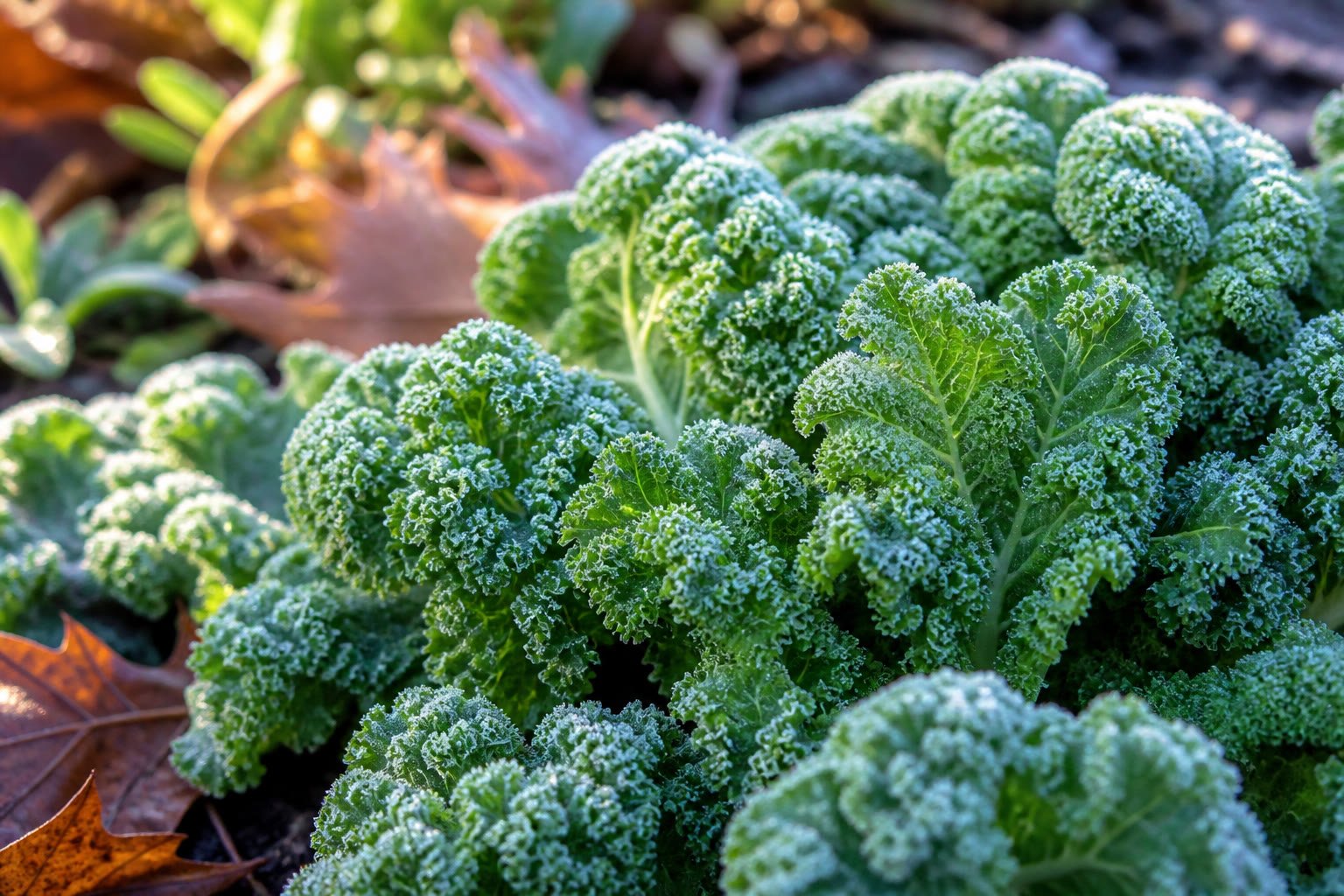
Spinach prefers soil near 50 to 60°F and can overwinter in many gardens under mulch or a low tunnel. Kale is even hardier. Baby kale is ready in about 30 days; full plants improve in flavor after light frost. If buying greenhouse transplants, harden them off for several days before planting. Sow extra arugula, mustard, and leaf lettuce in empty container rims and raised-bed corners. These are among the easiest vegetables for beginners and fill space as soon as summer crops come out.
Direct Sow Beets, Carrots, and Other Fast Roots
Beets and carrots need consistent moisture to germinate in still-warm September soil. Keep the seedbed damp for 7 to 14 days. Beets often germinate in 5 to 10 days at 50 to 70°F; carrots can take two weeks. Thin beets to 3 to 4 inches and carrots to 2 to 3 inches once seedlings are up.
In Zones 3 through 5, September is late for full-size carrots from seed. Choose the fastest beet and carrot varieties, harvest as baby roots, or skip roots and plant radishes and turnips (30 to 50 days) instead. Zones 6 and 7 can still sow beets and quicker carrots in early to mid-September. Zones 7 through 9 have a solid August-to-September window; Zone 9 can keep sowing carrots into fall, and Zone 10 often waits until October. Add 10 to 14 days to packet maturity for slower fall growth.
Plant Garlic and Cover Crops Before the Ground Cools
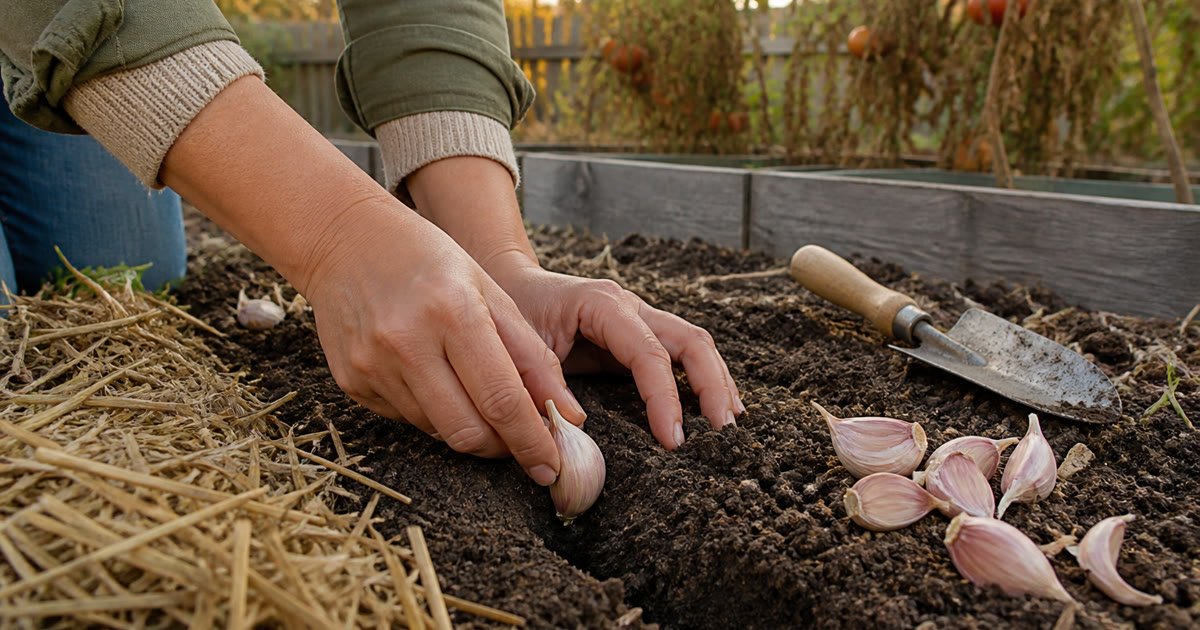
Garlic is a fall crop, not a spring afterthought. Plant cloves when soil has cooled to about 50 to 60°F, usually 4 to 6 weeks before the ground freezes. That is often mid-September to early October in Zones 3 through 5, October in Zones 6 and 7, and November into December in Zones 8 through 10. In mild-winter areas, refrigerate cloves for 4 to 6 weeks before planting if they have not had a cold period. Use hardneck types in colder zones and softneck types in warmer ones.
Set cloves 2 inches deep (3 inches in cold zones), 4 to 6 inches apart, pointed end up, in soil refreshed with compost. Mulch with 2 to 4 inches of straw after the soil cools. Empty beds that will not hold garlic or greens should get a cover crop. Winter rye and hairy vetch handle cold well. Oats grow fast and winter-kill in Zones 3 through 6, leaving a mulch. Sow cover crops as soon as a bed is cleared, and water them in like a vegetable seeding.
Adjust Watering and Refresh Soil and Mulch
Shorter days and cooler nights cut water use, but newly sown fall crops still need even moisture to germinate. At the same time, summer beds are tired. Refreshing compost and mulch in September sets up both the fall garden and next spring, whether the space is in-ground, a raised bed, or a patio container.
Scale Back Watering as Days Cool
Most established vegetable gardens need less water in September than in July. Aim for about 1 inch per week from rain and irrigation combined, then check the soil rather than following a fixed calendar. Push a finger 2 inches down. If it is cool and slightly moist, wait. If it is dry, water deeply at the base in the morning so foliage dries before evening.
Newly seeded lettuce, carrots, beets, and cover crops are the exception. Their surface soil must stay consistently damp until seedlings are up. Raised beds and containers still dry out on sunny, windy September days even when nights are cool. For a zone- and method-specific estimate, use the Plant Watering Calculator. Cut back on automatic timers that were set for midsummer heat, especially in Zones 3 through 7.
Refresh Soil With Compost After Summer Crops Come Out
Tomatoes, squash, and cucumbers are heavy feeders. When those plants come out, spread 1 to 2 inches of finished compost over the bed and work it into the top few inches with a rake or broad fork. Do not deep-till. Fall rains and soil life will move organic matter down over winter. If a soil test has not been done this year, September is a good time. Amendments such as lime take months to change pH, so applying them now helps next spring.
In raised beds, summer watering leaves the mix settled and depleted. Top off with compost and quality topsoil so the bed is full again before fall planting. Depth still matters: greens are fine in about 8 to 10 inches, while carrots, beets, and garlic need closer to 12 to 18 inches. The raised bed soil depth, mix, and fertilizer guide covers those targets. Skip high-nitrogen fertilizer on beds going into garlic or cover crops. Greens can take a light feeding of balanced organic fertilizer at planting.
Mulch Raised Beds and Containers for Fall
Once fall seeds are up, or after garlic is planted, apply 2 to 3 inches of straw, shredded leaves, or other light organic mulch. Mulch holds the even moisture fall roots need, buffers soil temperature on cold nights, and keeps heavy rain from crusting a seedbed. Keep mulch an inch or two away from stems. On garlic, wait until after planting and a first watering, then mulch for winter.
Container mixes that grew tomatoes or peppers all summer are often spent. Dump and replace the mix, or refresh at least the top third with new potting mix and compost. Check drainage holes. Group pots against a wall for extra heat, and be ready to move frost-tender containers indoors. In Zones 8 through 10, a fresh mulch layer also reduces heat stress on new lettuce if September afternoons still climb past 85°F. Shade cloth for a week after sowing can improve germination in those climates.
Manage Late-Season Pests, Disease, and Garden Cleanup
Warm days and cool, damp nights in September favor fungal disease and a last flush of insects. Cleanup is not an all-or-nothing chore. Remove what will spread problems, compost what is healthy, and leave some structure for soil life and beneficial insects.
Scout for Late-Season Pests and Disease
Walk the garden twice a week. Look under leaves for aphids on kale and lettuce, cabbage worms on brassicas, and remaining hornworms on tomatoes. Squash bugs and cucumber beetles concentrate on the last cucurbit plants. Hand-pick, use a strong water spray for aphids, and use Bt on caterpillars if chewing is heavy. Insecticidal soap still works on soft-bodied pests; spray in the evening and only on plants that have an identified problem.
Disease is the bigger September risk. Late blight and early blight on tomatoes and potatoes show as spreading brown or black lesions. Powdery mildew coats squash and cucumber leaves in white. Once blight is on a plant, fruit quality drops and spores spread. Pull badly infected tomato and potato vines rather than nursing them for a few more fruit. Do not add blighted material to a cool home compost pile. Diverse plantings from the companion planting guide will not cure an outbreak, but good airflow still reduces pest pressure on the fall greens going in now.
Decide What to Pull and What to Leave Standing
Pull spent warm-season vegetables: tomatoes, peppers that are done, basil, cucumbers, squash, beans, and any plant with active disease. That frees space for fall crops and removes overwintering sites for pests. Cut plants at the soil line if roots are well anchored, and leave small, healthy roots to decompose in place.
Leave standing what still earns its keep. Healthy kale, chard, parsley, and late beans can produce until a hard freeze. Some perennial stems and seed heads shelter overwintering beneficial insects. In cold zones, leaving a few extra inches of healthy debris and applying mulch protects soil better than exposing bare ground to freeze-thaw. In Zones 8 through 10, pulling summer crops promptly matters more because pests and disease stay active longer.
Compost Healthy Debris and Dispose of Diseased Material
Healthy leaves, spent vines without spots, and frost-killed but clean plants can go into the compost pile. Chop them so they break down before spring. Mix greens with browns such as dry leaves and straw. A hot pile that reaches 140°F will kill many weed seeds and some pathogens; a cold pile should not receive diseased tomato, potato, or cucurbit material.
Bag or burn (where legal) plants with blight, severe mildew, or viral mosaic. Do not leave diseased fruit on the soil surface. Clean tomato cages, stakes, and trellises with a 10 percent bleach solution or strong soapy water before storage so next year’s plants do not start with last year’s spores. Finished compost can go onto beds now as the 1 to 2 inch top-dressing described above.
Handle Seasonal Extras Beyond the Vegetable Bed
September tasks extend past harvest and planting. Saving seed, dividing crowded perennials, resetting the lawn, and writing down what happened this year are the jobs that make next season easier. They fit into cooler afternoons once the frost-sensitive harvest is in.
Save Seed From Healthy Open-Pollinated Plants
Save seed only from open-pollinated or heirloom plants that stayed healthy. Hybrids will not grow true. Let beans and peas dry in the pod on the plant, then shell and dry the seeds another week on a plate. Scoop tomato seed and pulp into a jar with a little water, ferment two to three days until a film forms, rinse, and dry thoroughly. Lettuce and other greens that have bolted can be bagged as seedheads dry.
Do not save seed from plants with blight, mosaic, or heavy pest damage. Label envelopes with crop, variety, and year, and store them in a cool, dry, dark place. Tomato, bean, and lettuce seed usually keep two to four years. This is also the month to inventory leftover packets so spring orders are based on what was actually used.
Divide Perennials and Reset Crowded Beds
Early fall is a reliable time to divide spring- and summer-blooming perennials while soil is still warm enough for roots to grow. Daylilies, hostas, irises, and similar clumps that have thinned in the center can be dug, split into sections with healthy roots and shoots, and replanted at the same depth. Water them in well and mulch. Avoid dividing plants that are blooming now until after they finish.
Peonies and other perennials that resent disturbance should only be split if they are clearly overcrowded. In Zones 3 through 5, divide in early September so roots establish before the ground freezes. Zones 6 through 8 have through the month. In Zones 9 and 10, wait until the worst heat has passed.
Care for the Lawn and Keep a Garden Journal
September is the best month to renovate cool-season lawns in much of Zones 3 through 7. Core aerate compacted turf, overseed thin areas, and top-dress with a thin layer of compost. Keep the soil moist until new grass is established. Mow cool-season grass at about 3 to 3.5 inches. Hold heavy nitrogen on warm-season lawns in the north as they prepare to go dormant; in Zones 8 through 10, warm-season turf may still be growing and can take a late-season feeding based on local extension advice.
A garden journal does not need to be elaborate. Record the first frost date this year, what was planted in September and how it performed, which tomato varieties still had fruit, and which beds need compost. Note pest outbreaks and which crops to start earlier next fall. Those notes, plus the beginner vegetable gardening guide for planning basics, are more useful in March than a stack of unmarked seed packets. Finish the month by listing October jobs: row covers, remaining garlic, and any beds still waiting for cover crops.
Frequently Asked Questions
What can I plant in the garden in September by USDA zone?
Zones 3 through 5: fast greens (lettuce, spinach, kale, arugula, radishes), garlic, and cover crops, plus transplants rather than slow roots. Zones 6 and 7: those crops plus beets and quicker carrots through much of the month, with garlic as soil cools. Zones 8 through 10: continue warm-season harvest, then sow lettuce, spinach, kale, beets, carrots, and other cool-season crops as nights drop, with garlic later in fall. Check the Planting Calendar for crop-by-crop windows.
When should I harvest tomatoes before frost?
Keep picking ripe fruit as long as nights stay above about 50°F. When frost is forecast within a day or two, harvest all blushing fruit and mature-green tomatoes that are full size and glossy. Ripen them indoors at 65 to 70°F. Hard green fruit will not ripen well. Covering plants with a blanket or row cover can save a crop from a single light frost, but a hard freeze at 28°F or below ends the vines. Pull blighted plants sooner rather than waiting for frost.
When is the right time to plant garlic?
Plant garlic 4 to 6 weeks before the ground freezes, when soil is about 50 to 60°F. That is typically mid-September to early October in Zones 3 through 5, October in Zones 6 and 7, and November or December in Zones 8 through 10. Separate bulbs into cloves just before planting, set them pointed end up, and mulch after watering in. Warm-zone gardeners may need a refrigerated chilling period for the cloves if winter is mild.
Should I clean up the garden now or leave plants standing?
Pull diseased plants and spent warm-season crops that will not survive frost, especially tomatoes, potatoes, squash, and cucumbers with blight or mildew. Compost only healthy material. Leave productive cool-season vegetables in place, and consider leaving some healthy perennial stems and seed heads for beneficial insects. Cover empty ground with compost, mulch, or a cover crop rather than leaving it uncovered.
How should I water the garden as temperatures cool?
Water less often than in summer, but still water deeply when the top 2 inches of soil are dry. Morning watering is best. Seedbeds for lettuce, carrots, beets, and cover crops need even surface moisture until germination. Cut back drip timers that were set for July heat. Containers and raised beds can still dry out on windy, sunny days. Overwatering in cool weather causes root rot and foliar disease, so check soil before running irrigation.
What should Zone 8 through 10 gardeners do if September is still hot?
Keep harvesting tomatoes, peppers, cucumbers, and squash, and do not rush cool-season seed into soil above about 75 to 80°F. Wait for nights in the 60s°F before sowing lettuce and spinach, or germinate those seeds in a cooler spot and transplant. Use shade cloth, mulch, and morning watering to get fall beds started. Plant garlic later in fall. September heat is normal in these zones; treat it as late summer for warm crops and as bed-prep time for the winter garden.