April is one of the most productive months in the gardening calendar, and knowing what to do in the garden in April can make the difference between a strong growing season and a frustrating one. Across USDA Zones 3 through 10, this month brings a mix of cool mornings, warming soil, and lengthening daylight that signals it is time to get serious about planting, soil prep, and seasonal maintenance. Whether the garden is a backyard plot, a set of raised beds, a balcony lined with containers, or a small patio setup, April demands attention on multiple fronts.
The key to a successful April is sequencing: check frost dates and soil conditions first, then plant cool-season crops and start warm-season seeds indoors, prepare beds and soil, handle trees and flowers, and stay ahead of pests and weeds before they become real problems. This checklist covers all of those steps in a logical order so nothing gets missed.
For gardeners who want zone-specific planting dates and interactive tools to map out the month, AgrowGuide's planting calendar and growing guides offer a solid starting point built around real frost-date data.
Key Takeaways
- Start every April decision by confirming the last frost date and checking whether the soil is warm and dry enough to work.
- Plant cool-season vegetables now and start warm-season crops indoors so transplants are ready when temperatures allow.
- Stay ahead of weeds, pests, and soil prep early in the month to avoid bigger problems later in the season.
Check Frost Dates, Soil Conditions, and Timing First
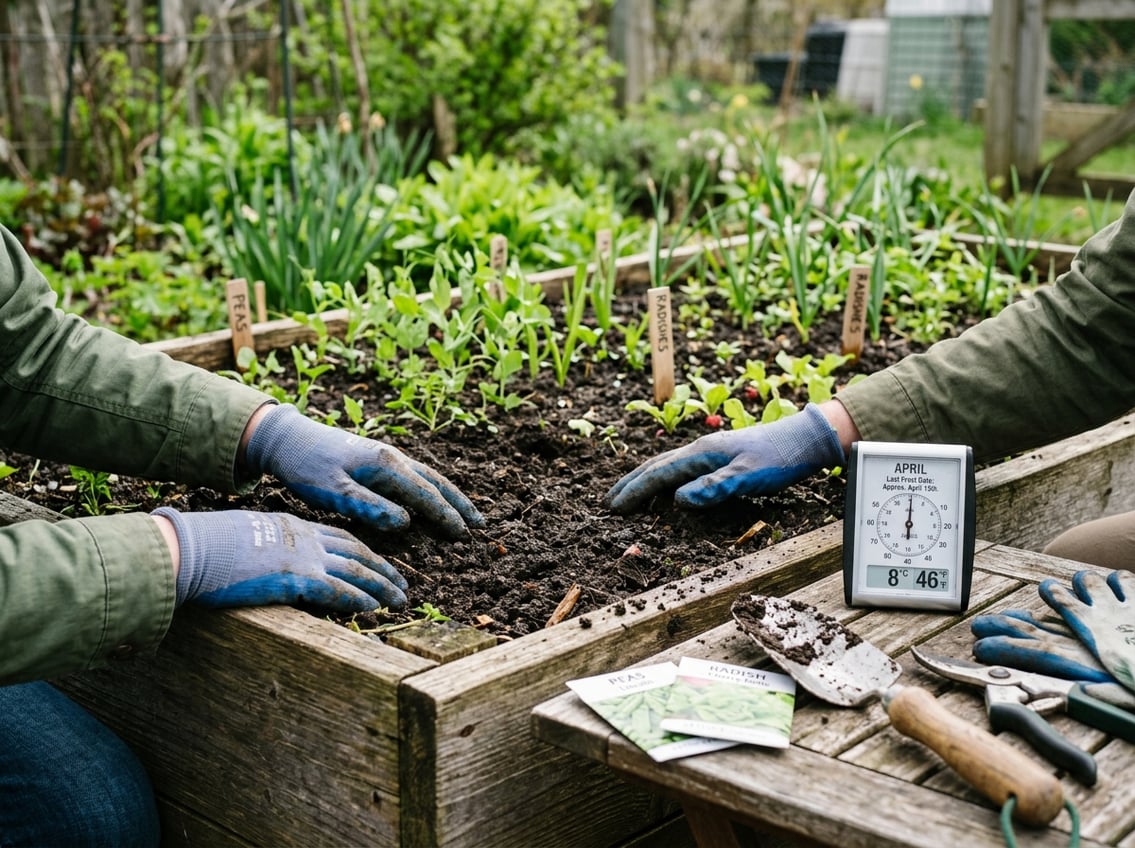
Before a single seed goes into the ground, gardeners need to confirm their last frost date, test their soil, and verify that conditions are truly ready for spring planting. Skipping this step is the most common reason April gardens struggle.
Use Your Last Frost Date to Guide April Decisions
Every planting decision in April hinges on the average last frost date for the local area. In Zone 3, the last frost might not arrive until late May. In Zone 8, it may have already passed in March.
Look up the last frost date by ZIP code through a local extension service or an online planting calendar. Then count backwards and forwards from that date to time cool-season direct sowing, indoor seed starting for warm crops, and transplant schedules. Writing this date on a calendar or in a garden journal keeps it visible all month.
Do a Soil Test Before Heavy Planting
A soil test reveals pH, nutrient levels, and organic matter content. This matters because adding fertilizer without knowing what the soil actually needs can cause more harm than good.
Collect a sample and send it to a state cooperative extension lab, or use a reputable at-home kit. Results will show whether the soil needs lime to raise pH, sulfur to lower it, or specific amendments like rock phosphate or feather meal. Testing once a year in spring is enough for most home gardens.
Know When Soil Is Workable and Warm Enough
Cold, waterlogged soil will rot seeds and stress transplants. Grab a handful of soil and squeeze it. If it forms a sticky ball that does not crumble when poked, it is too wet to work.
For most cool-season crops, soil temperature should reach at least 40 to 50°F. Warm-season seeds like beans and squash need soil closer to 60°F or above. A simple soil thermometer inserted two to three inches deep gives an accurate reading.
Adjust for Cold Frames, Cloches, and Microclimates
Gardeners can push timing earlier by using cold frames, cloches, or row covers to trap heat around plants. A south-facing wall, raised bed, or sheltered patio can also create a warmer microclimate that behaves like a zone warmer than the surrounding area.
Pay attention to frost pockets, too. Low-lying spots collect cold air and freeze later into spring. Noting these patterns in a garden journal helps refine timing year after year.
Plant Cool-Season Crops and Start Summer Crops the Right Way
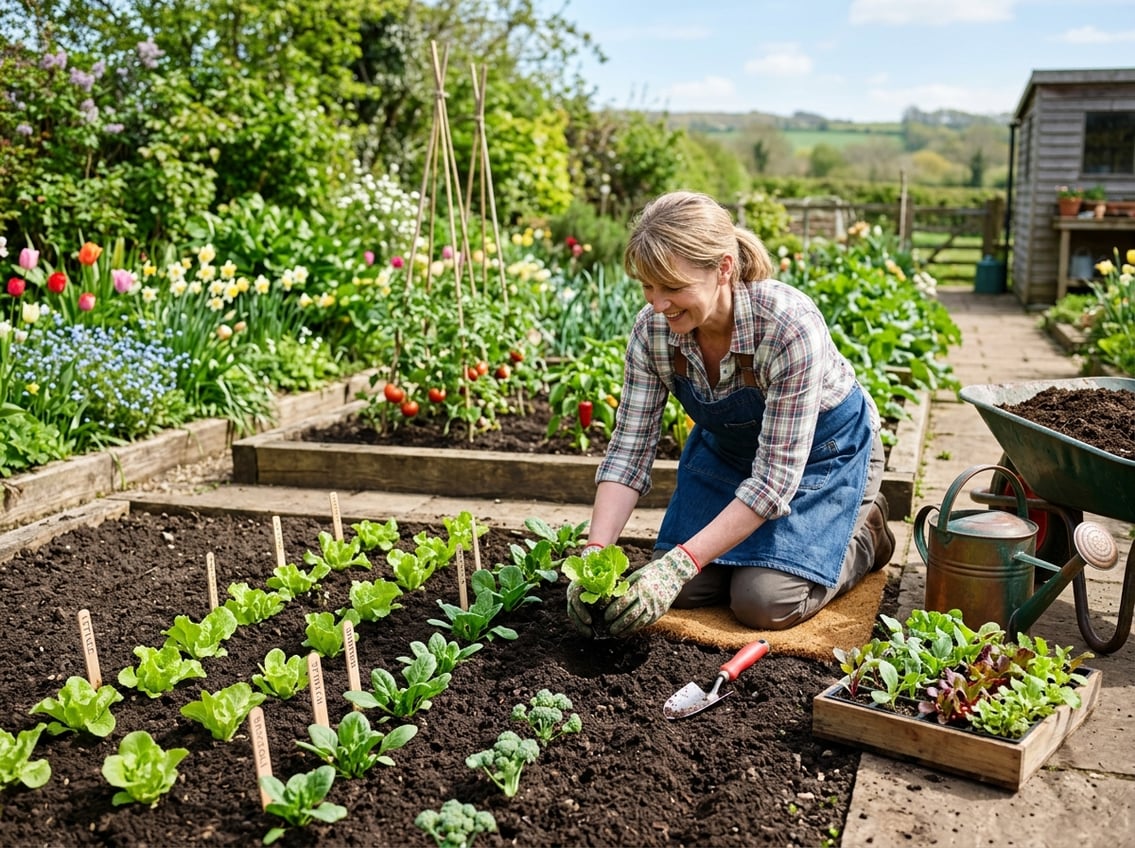
April is prime time for getting cool-season vegetables into the ground and starting warm-season seeds indoors so they are ready to transplant after the last frost. The goal is to match the right crop to the right conditions.
Direct Sow Fast Spring Vegetables
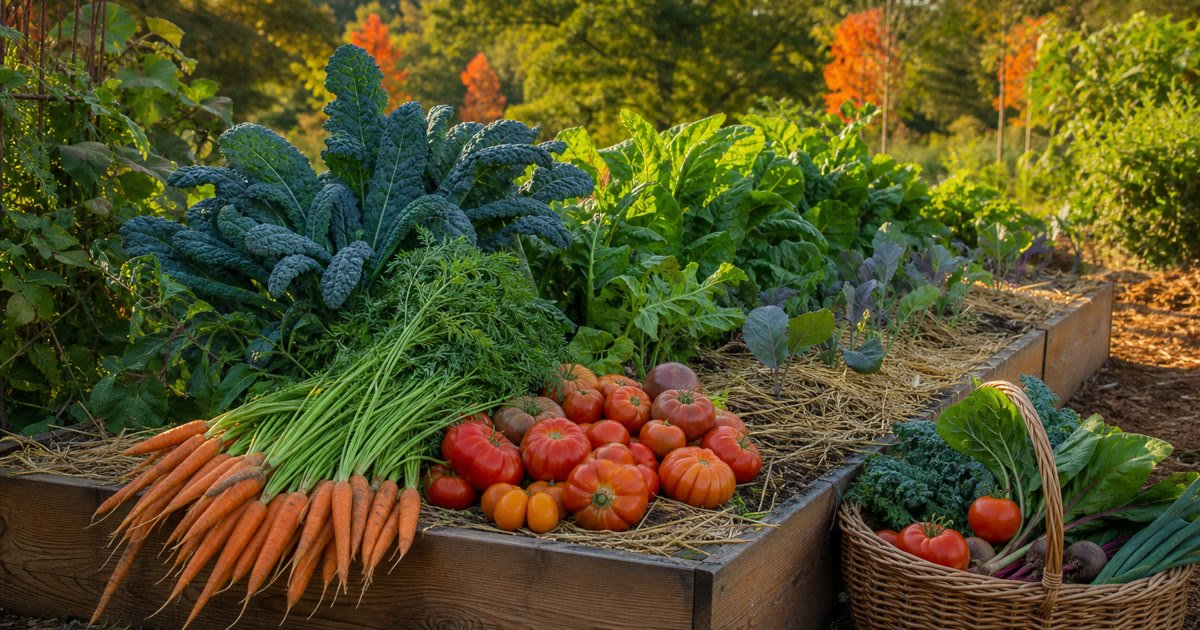
Once soil is workable and temperatures are above 40°F, direct sow these cool-season crops outdoors in most zones:
- Lettuce
- Spinach
- Radishes
- Peas
- Carrots
- Beets
- Arugula
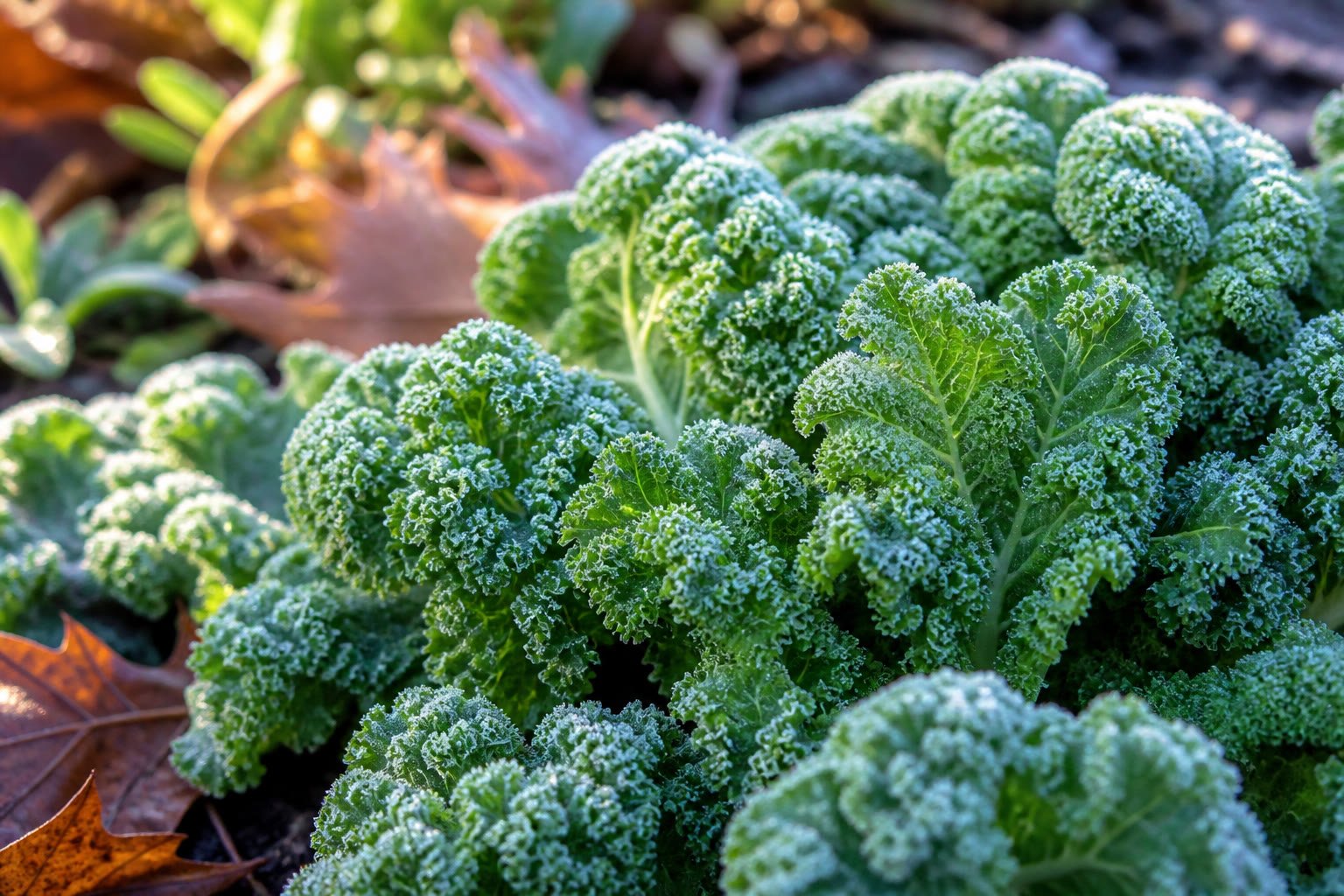
- Kale
- Turnips
- Cilantro and dill
In Zones 4 through 9, most of these seeds germinate reliably in April conditions. In Zones 2 and 3, floating row covers can warm the soil enough to get seeds started. Sow seeds at the depth listed on the packet and water gently to avoid displacing them.
Transplant Brassicas and Other Cool-Season Crops
Seedlings of broccoli, cauliflower, cabbage, kohlrabi, and Brussels sprouts can go outdoors in April in Zones 4 through 8, even before the last frost. These crops tolerate light frost and actually prefer cooler growing temperatures.
Harden off transplants for about a week before planting them outside. Space them according to packet instructions because overcrowded brassicas are magnets for fungal problems and poor yields.
Start Seeds Indoors for Warm-Season Crops
Tomatoes, peppers, eggplant, squash, cucumbers, and sweet potato slips need warm soil and frost-free conditions to thrive outdoors. In Zones 3 through 7, April is the right time to start these seeds indoors under grow lights if it has not already been done.
Place seed trays in a warm spot (65 to 75°F) with 14 to 16 hours of light per day. Keep the soil moist but not waterlogged. These seedlings will be ready to transplant outdoors four to eight weeks after germination, depending on the crop.
Plan Successions for a Longer Harvest Window
Instead of planting all the lettuce or radishes at once, sow a small batch every two to three weeks through April and into May. Succession planting spreads the harvest over several weeks rather than producing a glut that goes to waste.
This approach works well in raised beds and containers where space is limited. Mark sowing dates in a garden journal so the timing stays consistent from one planting to the next.
Prepare Beds, Feed Soil, and Mulch for Strong Growth
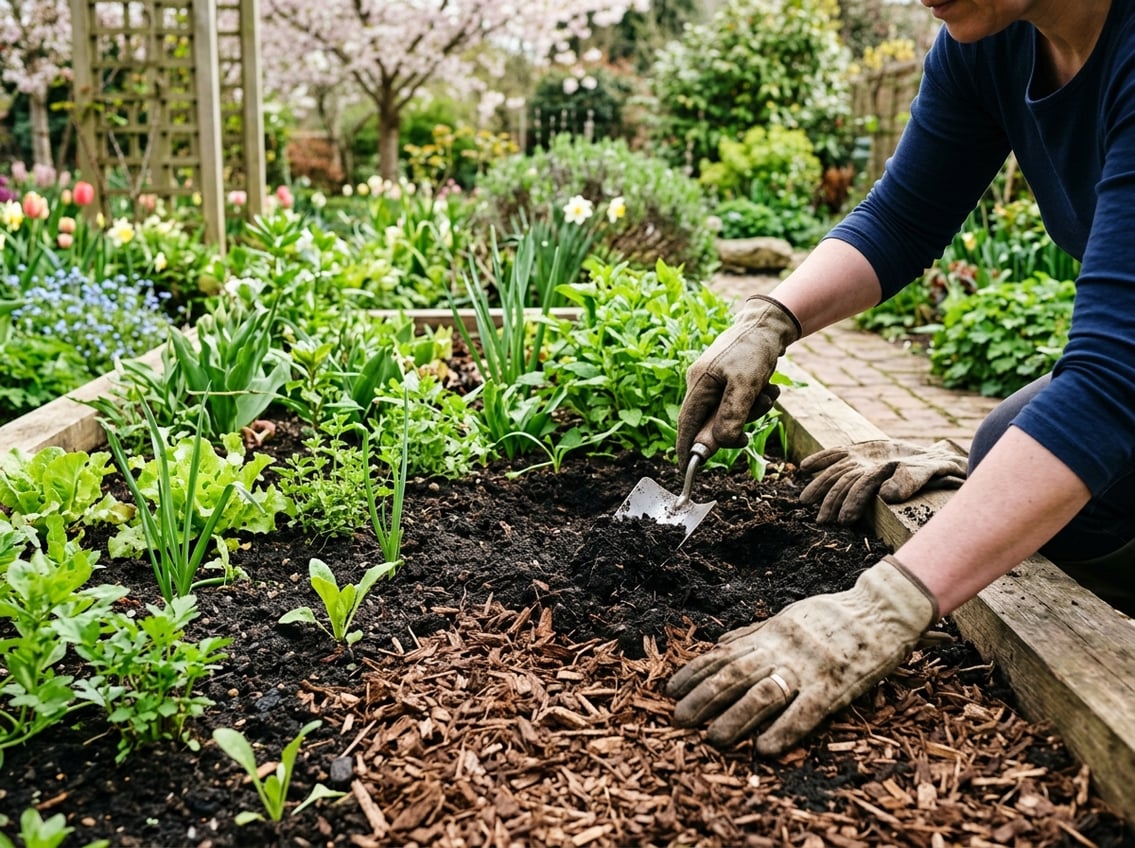
Healthy soil is the foundation of every productive garden, and April is the time to feed it, loosen it, and protect it before planting intensifies. A little effort now pays off all season long.
Add Compost and Finished Compost Where It Helps Most
Spread one to two inches of finished compost across garden beds, working it lightly into the top few inches of soil with a rake or broad fork. Compost improves soil structure, adds slow-release nutrients, and introduces beneficial microorganisms.
Focus on beds that will be planted first. Container gardens benefit from a fresh layer of compost mixed into the top third of the existing potting mix. Avoid using unfinished or hot compost near seedlings because the heat and ammonia can burn roots.
Use Organic Fertilizer Without Overfeeding
If the soil test revealed specific deficiencies, apply targeted organic fertilizers such as feather meal for nitrogen, bone meal for phosphorus, or greensand for potassium. Follow the rates on the label.
More is not better. Over-applying fertilizer can burn roots, cause excessive leafy growth at the expense of fruit, and run off into local waterways. Balanced, moderate feeding is the right approach for most home gardens.
Apply Mulch for Moisture and Weed Suppression
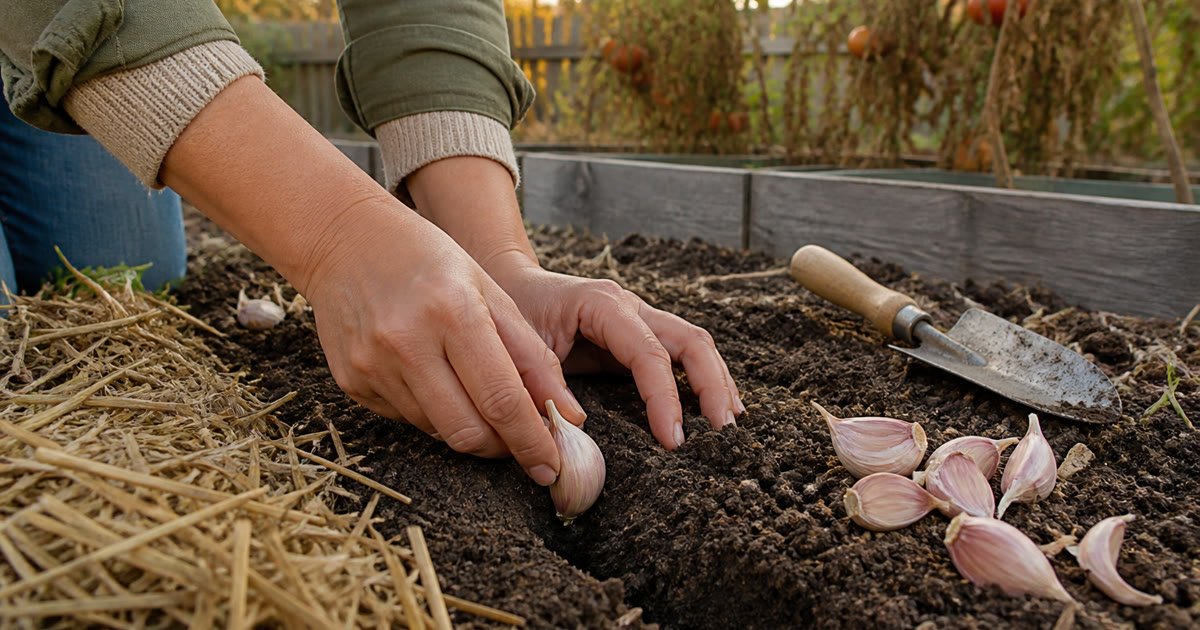
After soil has warmed a bit, apply two to three inches of organic mulch around plants and in open bed areas. Good options include straw, shredded leaves, and wood chips.
Mulch conserves moisture, suppresses weed seeds, and reduces soil splash that spreads disease. Keep mulch a few inches away from plant stems to prevent rot. Applying mulch too early in cold zones can trap cold soil temperatures and slow plant emergence, so wait until the soil has had a chance to warm.
Build Healthy Soil in Raised Beds, In-Ground Beds, and Containers
Raised beds usually stay loose over winter but may have settled. Top them off with a mix of compost and quality garden soil. AgrowGuide's Raised Bed Soil Calculator can help estimate how much material is needed.
In-ground beds may need loosening with a broad fork if the soil compacted over winter. Avoid heavy tilling, which disrupts soil structure and earthworm populations.
Containers need special attention. Dump out old, depleted potting mix or refresh it by mixing in fresh compost and a slow-release organic fertilizer. Good drainage holes are essential.
Handle Pruning, Planting, and Care for Trees, Shrubs, and Flowers
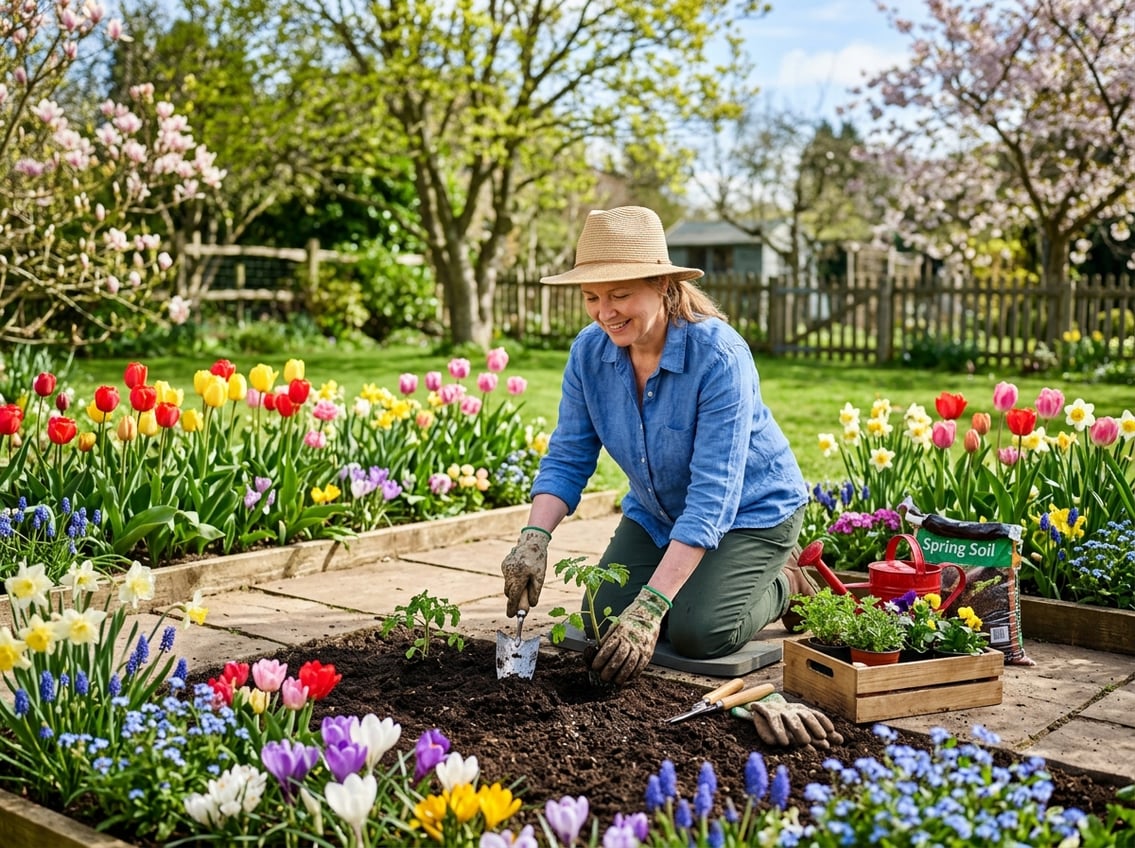
April is not just about vegetables. Trees, shrubs, and flowers all need specific attention this month, and the timing of pruning and planting decisions matters more than many gardeners realize.
Plant Trees and Shrubs While Conditions Are Mild
April's cool temperatures and regular rainfall create ideal conditions for planting new trees and shrubs. The roots have time to establish before summer heat arrives.
Dig the hole twice as wide as the root ball but no deeper. Set the plant at the same depth it was growing in its container. Water deeply at planting and continue watering regularly for the first growing season. This applies to fruit trees, ornamental trees, and flowering shrubs like witch hazel and flowering quince.
Prune Spring Bloomers Only After Flowering
This is one of the most common April mistakes: pruning spring-flowering shrubs before they bloom. Lilacs, forsythia, azaleas, and rhododendrons set their flower buds the previous year. Cutting them back before they flower removes this year's blooms entirely.
Wait until flowers fade, then prune to shape the plant and remove dead or crossing branches. Late-winter and summer-blooming shrubs, such as butterfly bush and some hydrangeas, can be pruned in early spring before new growth begins.
Care for Spring Bulbs and Early Flowers
Daffodils, snowdrops, Virginia bluebells, and bloodroot are among the earliest spring bloomers. Let their foliage die back naturally after flowering because the leaves feed the bulb for next year's bloom.
Deadhead spent flowers to prevent the plant from putting energy into seed production. Resist the temptation to braid or cut back the leaves early. Apply a light top-dressing of compost around bulb plantings if the soil looks depleted.
Plant Summer Bulbs and Tender Ornamentals at the Right Time
Dahlias, gladiolas, tuberous begonias, cannas, and similar tender bulbs should not go into the ground until after the last frost date has passed. In Zones 7 through 10, that may mean early April. In Zones 3 through 6, it often means waiting until May.
Start dahlias and cannas in pots indoors a few weeks before the last frost to get a head start. Sweet peas can be direct sown outdoors in early April in most zones because they tolerate cool soil. Sweet alyssum is another cold-tolerant annual that can go out early.
Fertilize established roses with a balanced organic fertilizer once new growth appears. If leaves show yellowing between green veins, an application of chelated iron may be needed.
Stay Ahead of Pests, Weeds, and Early-Season Problems
Warming temperatures bring more than new growth. Pests, diseases, and weeds all become active in April, and early action prevents small issues from becoming season-long headaches.
Watch for Aphids, Beetles, and Other Common April Pests
Aphids are often the first pest to show up in spring, clustering on new growth and the undersides of leaves. Flea beetles appear on brassicas and eggplant seedlings, chewing small holes in leaves. Slugs become active on cool, damp nights.
Check plants at least twice a week, especially transplants and tender seedlings. Look under leaves and along stems. Many small infestations can be handled by hand-picking or a strong spray of water from a hose.
Use Insecticidal Soap Carefully and Only When Needed
Insecticidal soap works well against soft-bodied pests like aphids and whiteflies. Apply it directly to the pests, covering both sides of the leaves. It only works on contact, so thorough coverage matters.
Spray in the early morning or late evening to avoid leaf burn in direct sun. Do not use insecticidal soap as a preventive measure. It should only be applied when pests are present and identified. Overuse can harm beneficial insects that help control pest populations naturally.
Tackle Weeds Early Before They Spread
Small weeds are far easier to remove than established ones. Check garden beds, pathways, and container edges at least once a week during April.
A standup hoe or hand weeder makes quick work of tiny weed seedlings. Pull weeds before they set seed to prevent the next generation. Mulched beds will have fewer weeds, but persistent species can still push through. Staying consistent in April saves hours of weeding in June.
Prevent Stress With Better Watering and Airflow
Stressed plants attract pests and develop disease faster. Water at the base of plants rather than overhead to keep foliage dry and reduce fungal problems.
Ensure proper spacing between plants so air circulates freely. Crowded beds stay damp longer and create conditions where mildew and rot thrive. In containers and raised beds, this is especially important because plants are often closer together than in traditional rows.
Finish Monthly Maintenance in Lawns, Containers, and Small Spaces
The final round of April tasks covers lawns, containers, and the organizational habits that keep a garden running smoothly through the rest of the season.
Aerate the Lawn and Refresh Thin Areas
Compacted lawns struggle to absorb water and nutrients. Core aeration in April opens up the soil and encourages deeper root growth. This is especially helpful for lawns with heavy foot traffic or clay soil.
After aerating, overseed thin or bare spots and apply a thin layer of compost. Water regularly until new grass establishes. Hold off on heavy fertilizing until the lawn is actively growing and has been mowed at least twice.
Reset Containers and Patio Pots for Spring
Empty containers from last season need fresh potting mix or, at minimum, a thorough refresh. Remove old roots and debris. Mix in fresh compost and a slow-release fertilizer.
Check drainage holes to make sure they are not clogged. Group containers where they will receive adequate sunlight for the crops planned. Balcony and patio gardeners can start with cold-tolerant crops like lettuce, spinach, and herbs in early April, adding warm-season plants after the last frost.
Use a Garden Plan to Organize April Jobs
A written garden plan, even a simple one, keeps tasks on track during a busy month. List what needs to be planted, what beds need prep, and what maintenance is due.
A sketch of bed layouts with crop assignments prevents spacing mistakes and helps with companion planting decisions. AgrowGuide's planting calendar can help match planting dates to specific zones, reducing guesswork.
Keep Notes in a Garden Journal for Better Timing Next Year
A garden journal does not need to be complicated. Note what was planted, when it went in, the weather that week, and how things performed. Record pest sightings, frost events, and harvest dates.
These notes become invaluable the following spring. Instead of guessing when lettuce went in last year or which tomato variety did best, the answers are already written down. Even a few lines per week build a useful record over time.
Frequently Asked Questions
What are the most important gardening tasks to complete in early spring?
The most critical early spring tasks are checking the last frost date, testing soil, and preparing beds with compost. These steps set the foundation for everything else. Once timing and soil conditions are confirmed, cool-season crops can be planted and warm-season seeds started indoors.
Which vegetables and herbs can be sown outdoors right now?
In most zones, April is ideal for direct sowing lettuce, spinach, radishes, peas, carrots, beets, arugula, kale, cilantro, and dill. These cool-season crops germinate well in soil temperatures between 40 and 50°F. Warmer zones (7 through 10) can also sow beans, cucumbers, and squash after the last frost passes.
What flowers should be planted or started from seed this month?
Sweet peas and sweet alyssum can be sown outdoors in early April in most zones. Summer bulbs like dahlias, gladiolas, and cannas should wait until after the last frost date. In warmer zones, annual flowers such as zinnias and cosmos can go out once frost risk has ended.
How should I prepare my soil and beds after winter?
Start with a soil test to check pH and nutrient levels, then amend based on the results. Add one to two inches of finished compost, loosen compacted soil with a broad fork, and apply two to three inches of organic mulch once the soil has warmed. Raised beds may need topping off, and containers should get fresh potting mix.
When is it safe to prune shrubs and tidy up perennials in spring?
Prune spring-flowering shrubs like lilacs and forsythia only after they finish blooming. Summer-blooming shrubs can be pruned in early spring before new growth starts. Dead perennial stems from last year can be cut back or pulled in early April. Remove dead branches from woody plants at any time.
What lawn care should I do now to encourage strong growth?
Core aerate compacted lawns in April to improve water and nutrient absorption. Overseed bare or thin patches and top-dress with compost. Wait to apply heavy fertilizer until the lawn is actively growing and has been mowed a couple of times. Keep mower blades sharp for clean cuts that reduce stress on the grass.