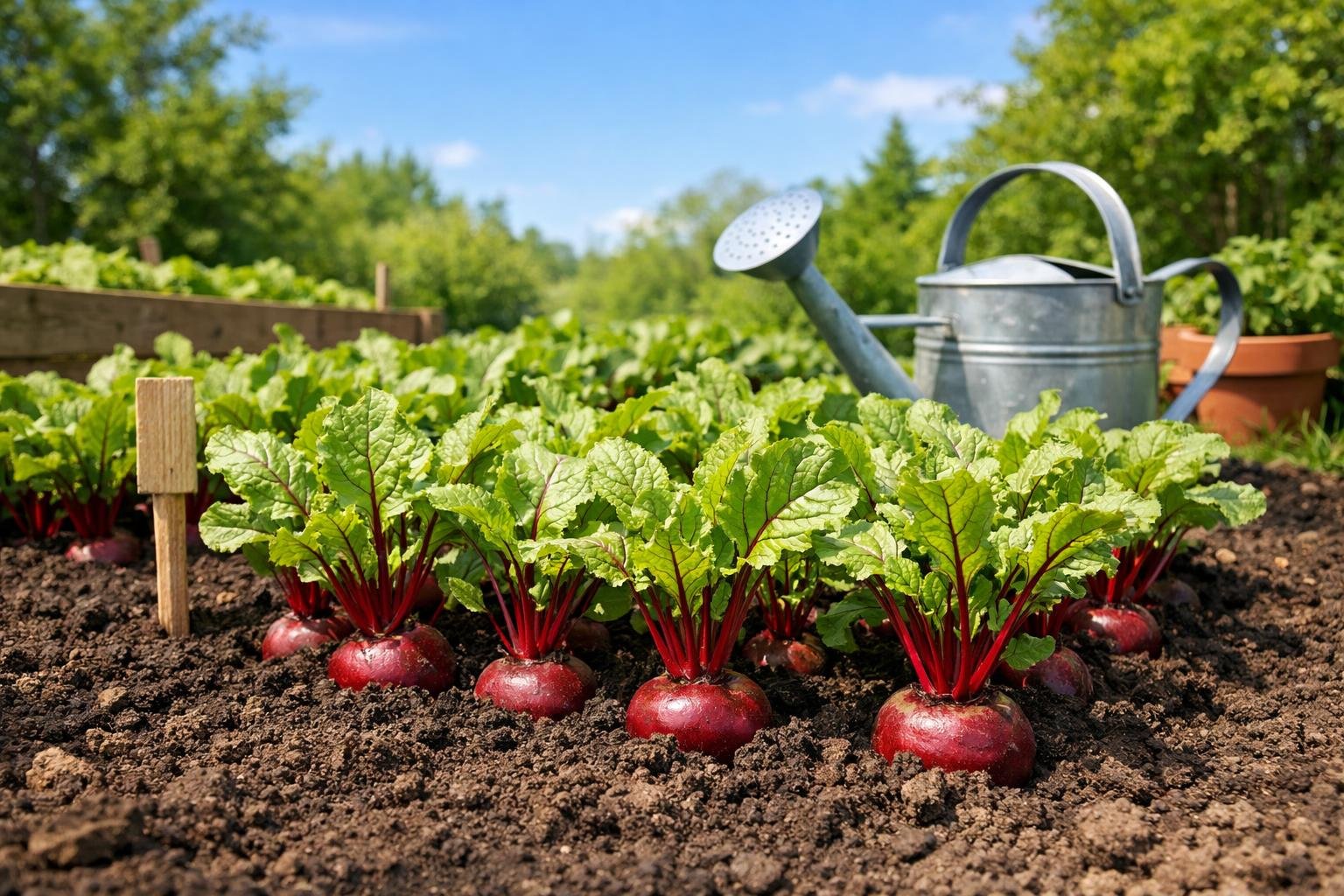
Beets are one of the easiest and most rewarding vegetables for home gardeners, but timing is everything. These cool-season roots can be planted in spring or fall across most of the United States, with specific windows depending on local climate and hardiness zone. Gardeners in zones 3–7 should plant beets in early spring, 2–4 weeks before the last frost, or in late summer for a fall harvest, while those in zones 8–10 can grow beets from late winter through fall, avoiding only the hottest summer months.
The key to success is matching planting dates to soil temperature and expected weather patterns. Beets germinate best when soil reaches 50°F to 85°F and grow most steadily in cool conditions with daytime temperatures between 60°F and 70°F. Planting too early in cold soil leads to slow germination, while planting in summer heat causes woody, bitter roots.
This guide breaks down exactly when to plant beets in each zone, how to prepare soil, and which varieties work best for different climates. With proper timing and a few simple techniques, gardeners can enjoy multiple harvests of sweet, tender beets throughout the growing season.
Key Takeaways
- Plant beets in early spring or late summer in most zones, timing sowings to avoid extreme heat or hard freezes
- Beets need soil temperatures between 50°F and 85°F to germinate and cool air temperatures of 60°F to 70°F for best growth
- Succession planting every 2–3 weeks during suitable weather windows ensures a continuous harvest throughout the season
Understanding Hardiness Zones for Beet Planting
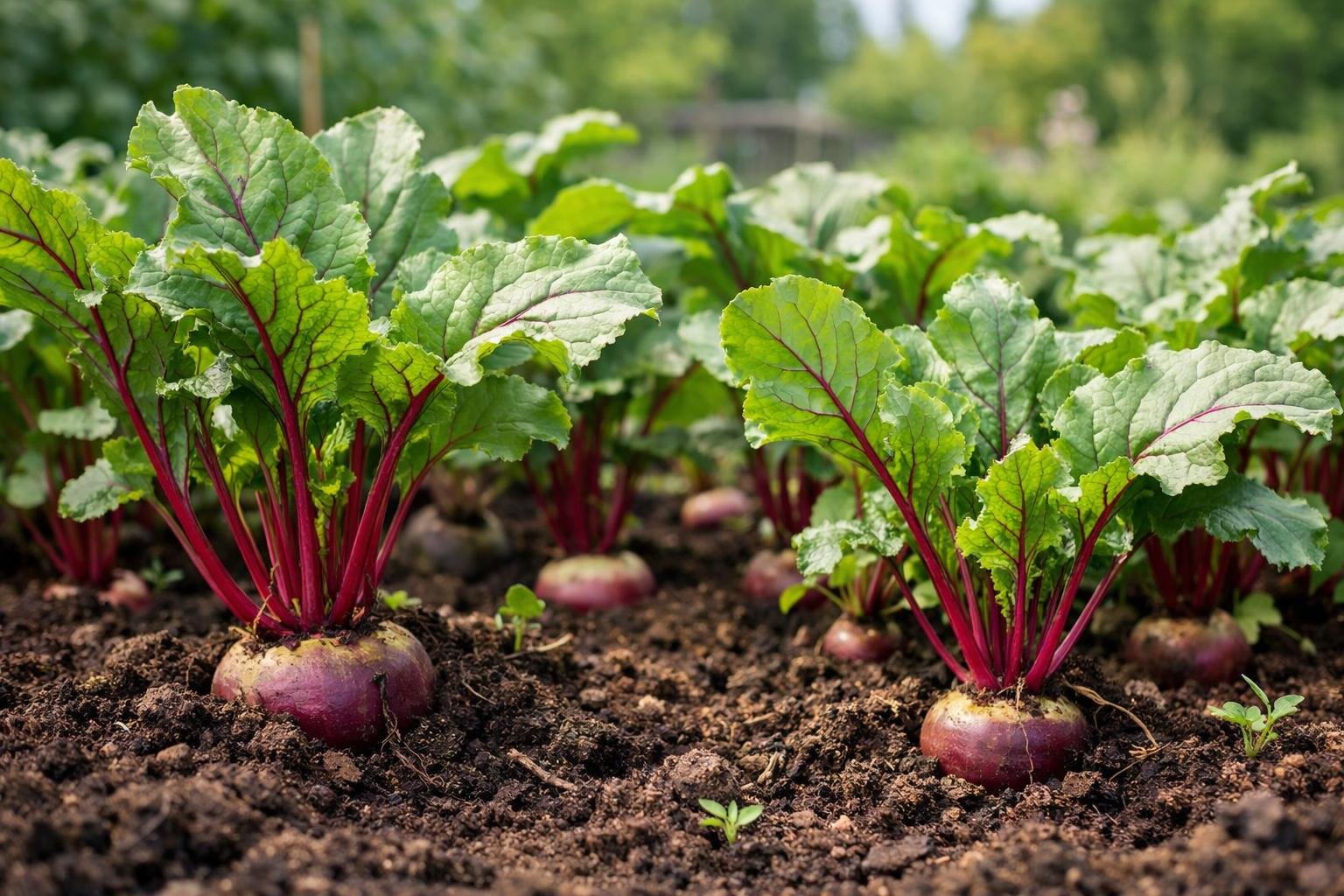
Hardiness zones help gardeners determine which plants will thrive in their local climate based on average minimum winter temperatures. For beets, knowing your zone tells you when soil temperatures will be right for planting and whether you can grow spring, fall, or even winter crops.
What Are Hardiness Zones?
A hardiness zone is a geographic area defined by its average annual minimum temperature range. The USDA created this system to help gardeners choose plants that can survive winter in their region.
Each zone is divided into 10-degree Fahrenheit ranges. Zone 3 experiences winter lows of -40°F to -30°F, while Zone 10 rarely drops below 30°F to 40°F.
Plant hardiness zones don't tell the whole story for beets, though. These zones focus on cold tolerance, but beets are more sensitive to soil temperature during the growing season. A gardener in Zone 5 and another in Zone 8 both can grow beets, but their planting windows will be completely different.
USDA Zones 3–10 Overview
Zones 3–5 have short growing seasons with late spring frosts and early fall frosts. Gardeners in these zones typically plant beets in late spring once soil warms to at least 40°F. A second planting in mid to late summer allows for a fall harvest.
Zones 6–7 offer longer growing seasons with more flexibility. Spring planting can start 4-6 weeks before the last frost date. Fall crops can be planted in late summer, often producing sweeter beets due to cooler temperatures.
Zones 8–10 have mild winters and hot summers. Beets grow best as a fall, winter, or early spring crop in these zones. Summer heat above 80°F causes poor germination and tough, woody roots. Many gardeners in these zones skip summer planting entirely.
Using the Hardiness Zone Map
The USDA hardiness zone map shows color-coded regions across North America. Gardeners can find their zone by entering their zip code on the USDA website or checking printed versions at garden centers.
Once you know your zone, cross-reference it with your area's first and last frost dates. Beets need 50-70 days of temperatures between 40°F and 80°F to mature. Count backward from your first fall frost or forward from your last spring frost to find ideal planting dates.
The map updates periodically as climate patterns shift. The most recent version from 2023 shows some areas have moved to warmer zones, which may extend beet-growing seasons in previously colder regions.
Optimal Timing to Plant Beets in Zones 3–10
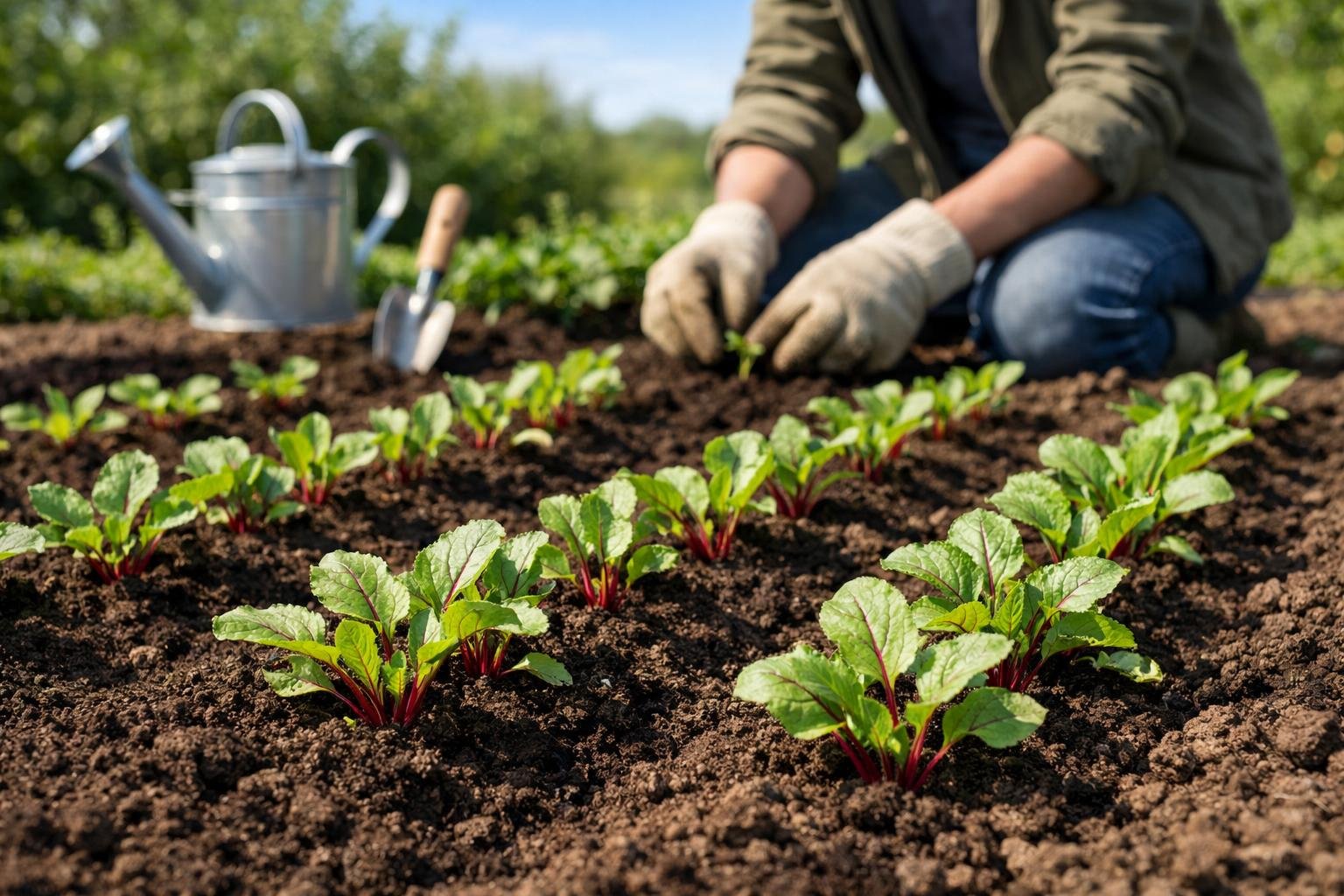
Beets grow best when soil temperatures stay between 50°F and 75°F, making spring and fall the ideal planting seasons across most growing zones. Gardeners need to plan their planting dates around frost schedules to give beets enough time to mature before extreme temperatures arrive.
Spring Planting Windows
Spring planting starts when soil becomes workable and reaches at least 40°F, though 50°F produces faster germination. Gardeners in zones 3-5 can plant beets in late April through early May, as soon as the ground thaws. Zones 6-7 have earlier windows, typically starting in mid-March to early April.
Zones 8-10 should plant beets in late winter, usually February through early March, before summer heat arrives. The timing depends on getting 50-70 days of growth before temperatures regularly exceed 80°F.
Beets planted 4-6 weeks before the last frost date will mature during optimal weather conditions. Gardeners can check soil temperature by inserting a thermometer 2-4 inches deep in the morning. The soil should feel crumbly and workable, not frozen or waterlogged.
Fall Planting for a Second Harvest
Fall planting produces sweet, tender beets because they mature in cooling temperatures. Gardeners in zones 3-5 should plant by mid-July to early August for a fall harvest. Zones 6-7 can plant through late August, while zones 8-10 have flexibility to plant into September or October.
The key calculation involves counting back 8-10 weeks from the first expected fall frost date. This timing gives standard beet varieties enough days to reach full size. Quick-maturing varieties need only 50-55 days, allowing for later planting dates.
Fall beets often taste better than spring crops because cool nights increase sugar content. Many gardeners prefer the fall harvest and plan it as their main beet crop.
Adapting to Last Frost and First Frost Dates
The last frost date in spring and first frost date in fall serve as anchors for all beet planting schedules. These dates vary significantly by location and microclimate within the same zone. Local extension offices provide average frost dates specific to each area.
Gardeners should plant spring beets when soil temperature reaches 40°F, which usually occurs 2-4 weeks before the last frost date. Beets tolerate light frosts, so early planting rarely causes problems. For fall planting, the first frost date minus 60-70 days determines the latest safe planting time.
Cold frames or row covers extend both planting windows by protecting young plants from frost damage. These tools let gardeners in zones 3-7 start 2-3 weeks earlier in spring and plant 2-3 weeks later in fall.
Preparing Soil for Beets
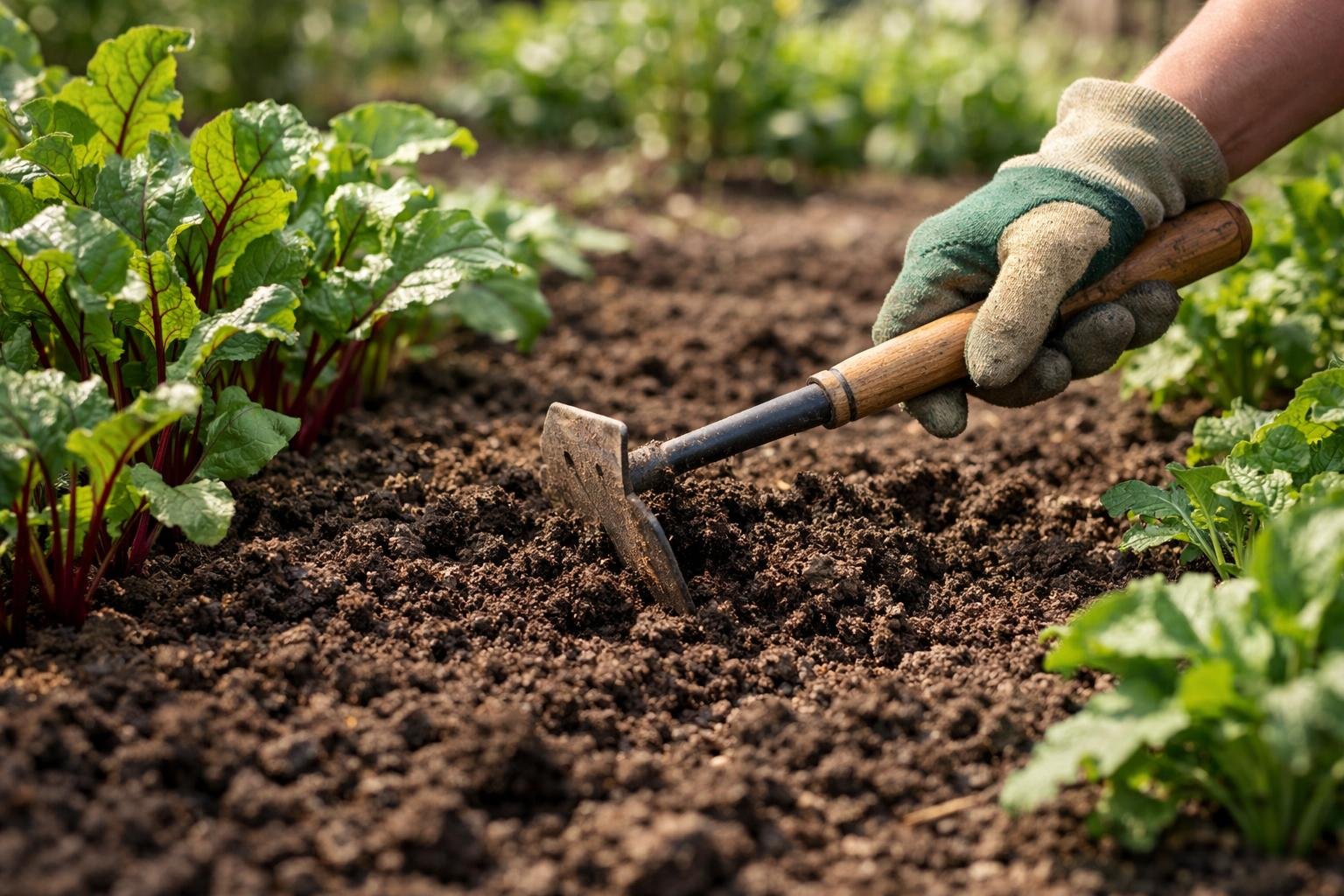
Beets need loose, well-prepared soil to develop smooth, healthy roots. The right soil structure and pH range make the difference between tough, misshapen beets and tender, sweet ones.
Importance of Well-Drained Soil
Beets require well-drained soil that is loose and free of rocks, clay clumps, and debris. Hard or compacted soil forces beet roots to grow crooked or stunted. Rocky soil creates forked or twisted roots that are difficult to harvest and prepare in the kitchen.
Gardeners should work the soil to a depth of 8-10 inches before planting. This gives beet roots room to expand without obstruction. Heavy clay soil needs amendment with compost or aged manure to improve drainage and texture.
Sandy loam is ideal for beets. It drains excess water while holding enough moisture for steady growth. If soil stays waterlogged after rain, beets may rot or develop disease problems before harvest.
Soil pH and Nutrients for Beets
Beets grow best in soil with a pH between 6.0 and 7.5. Soil that is too acidic (below 6.0) limits nutrient availability and can stunt root development. A simple soil test reveals pH levels and nutrient deficiencies before planting.
If soil is too acidic, gardeners can add lime several weeks before sowing seeds. For alkaline soil above 7.5, sulfur helps lower the pH gradually.
Beets are moderate feeders that benefit from soil rich in organic matter. Adding 2-3 inches of compost before planting provides nitrogen for leafy growth and phosphorus for root development. Avoid fresh manure, which can cause excessive leaf growth at the expense of root formation.
Boron deficiency sometimes affects beets, causing black spots inside the roots. A soil test can identify this problem before it impacts the crop.
Sowing and Growing Beets Successfully
Beets perform best when direct sown into prepared garden soil, with proper spacing and consistent moisture throughout their 50-70 day growing period. Understanding these basic requirements helps gardeners avoid common mistakes that lead to poor root development.
Direct Sowing Versus Starting Seeds Indoors
Beets should be direct sown into the garden rather than started indoors. The taproot system develops poorly when transplanted, often resulting in stunted or deformed roots. Gardeners can sow seeds directly into prepared beds as soon as soil temperatures reach 50°F.
Plant seeds ½ inch deep in loose, well-drained soil. Each beet "seed" is actually a cluster of 2-4 seeds, which means multiple seedlings will emerge from each planting spot. The soil should be free of rocks and clumps to allow smooth root development.
Cold-climate gardeners who want an early start can use the following approach: sow seeds 2-4 weeks before the last frost date, as beet seedlings tolerate light frosts. For fall crops, plant 8-10 weeks before the first expected frost.
Seed Spacing and Thinning Tips
Space seeds 3-4 inches apart in rows that are 12-18 inches apart. This initial spacing reduces crowding but still requires thinning after germination.
Thin seedlings when they reach 2 inches tall. Since each seed cluster produces multiple plants, select the strongest seedling and snip off the others at soil level. Pulling seedlings can disturb the roots of keeper plants.
Final spacing should be 3-4 inches between plants. Crowded beets produce small, misshapen roots. The thinned seedlings make excellent additions to salads as microgreens.
Watering and Sunlight Requirements
Beets need consistent moisture throughout their days to maturity, which ranges from 50-70 days depending on variety. Water deeply 1-2 times per week, providing about 1 inch of water total. Inconsistent watering causes woody, tough roots and cracking.
The soil should stay evenly moist but not waterlogged. Mulch around plants helps retain moisture and keeps soil temperatures stable. During dry periods, increase watering frequency to prevent stress.
Full sun is best for beet production, meaning 6-8 hours of direct sunlight daily. Plants grown in partial shade will still produce edible greens but develop smaller roots. In hot climates, afternoon shade can prevent heat stress and bolting.
Companion Planting and Crop Rotation Strategies
Growing beets alongside the right plants helps improve yields and soil health, while rotating crops properly prevents nutrient depletion and disease buildup. Strategic companion planting deters pests naturally and maximizes garden space.
Best Companions for Beets
Alliums like onions and garlic make excellent beet companions because their strong scent repels common pests including flea beetles, rabbits, and deer. Garlic releases sulfur into the soil as it grows, which acts as a natural fungicide and can improve beet flavor.
Bush beans add nitrogen to the soil through nitrogen fixation, providing just enough nutrients for healthy beet root development without causing excessive leaf growth. However, gardeners should avoid pole beans, which add too much nitrogen and stunt beet growth.
Lettuce and spinach work well between beet rows because their shallow roots don't compete with beet taproots. These leafy greens also shade the soil and retain moisture during hot weather.
Brassicas including broccoli, cabbage, and cauliflower benefit from beets because fallen beet leaves add manganese and iron to the soil. Growing mint alongside this combination deters pests while improving cabbage flavor.
Other compatible companions include:
- Corn
- Radishes (which germinate quickly and mark rows)
- Aromatic herbs like thyme and rosemary
- Marigolds for pest control
Gardeners should keep chard away from beets since both plants attract the same pests and diseases.
Avoiding Common Crop Diseases
Crop rotation prevents soil-borne diseases by moving beets to different garden locations each year. Beets should not follow chard or spinach in rotation since these crops share similar nutrient needs and disease vulnerabilities.
A three-year rotation works well: plant beets in year one, follow with nitrogen-fixing peas in year two, then grow tomatoes, peppers, or eggplants in year three. This sequence replenishes nutrients and breaks pest cycles.
Avoid planting beets near cucumbers, melons, or summer squash, as these crops can harbor fungal diseases that spread to beet roots. Field mustard also stunts beet growth despite being related to beneficial brassicas like broccoli.
Growing oats as a living mulch around beets reduces damage from sugar beet root maggots. Undersowing beets with oats creates a protective barrier while adding organic matter to the soil.
Beet Varieties and Choosing the Right Type
Different beet varieties perform better in specific temperature ranges and growing conditions. Cold-hardy types extend the season in northern zones, while heat-tolerant varieties help gardeners in warmer areas succeed.
Cold-Hardy and Heat-Tolerant Varieties
Cold-hardy beets handle light frosts and cool soil temperatures better than standard varieties. Detroit Dark Red tolerates spring and fall cold well, making it reliable for zones 3-6. Lutz Green Leaf withstands freezing temperatures and stores well through winter.
Heat-tolerant varieties resist bolting when temperatures climb above 75°F. Cylindra produces long, cylindrical roots and maintains quality in warm weather. This variety works well for zones 8-10 during shoulder seasons.
Gardeners in zones with temperature extremes should match varieties to their planting window. Spring plantings in cold zones need cold-hardy types. Fall plantings in warm zones benefit from heat-tolerant selections.
Rainbow and Specialty Beet Options
Specialty beets offer different colors, shapes, and flavors beyond standard red varieties. Golden beets have yellow flesh that doesn't bleed when cooked. Chioggia features red and white concentric rings inside.
Rainbow blend seed mixes include multiple colors in one packet. These mixes typically contain red, golden, and striped varieties. Gardeners get visual variety without buying separate seed packets.
Baby beet varieties like Baby Ball mature faster at 35-40 days. Cylindrical types such as Formanova slice uniformly and fit better in narrow raised beds. White varieties like Avalanche have a milder, sweeter taste than red beets.
Garden Planning for Succession and Extended Harvest
Planting beets every 1-2 weeks during the growing season keeps fresh roots coming into the kitchen instead of dealing with a single large harvest all at once. This approach requires tracking planting dates and understanding how different seasons affect growth rates.
Scheduling Successive Plantings
Gardeners should plant new beet seeds every 10-14 days throughout the appropriate planting window for their zone. This creates a staggered harvest rather than all beets maturing simultaneously.
Most beet varieties need 50-70 days to reach harvest size. Faster-maturing varieties work better for succession planting because they allow more planting cycles within a single season.
Spring succession planting works well in most zones. Gardeners can start when soil temperatures reach 40°F and continue planting until daytime temperatures consistently exceed 75°F. The exact window varies by location—southern gardeners might plant from February through April, while northern gardeners plant from May through July.
Fall succession planting starts 70 days before the first expected frost. Some gardeners begin their fall plantings in late July or early August. They can continue planting every 2 weeks as long as there are 50 days remaining before hard freezes arrive.
Tips for Year-Round Beet Production
Combining spring and fall plantings extends the harvest season in zones 5-9. Gardeners plant the first spring crop 2-3 weeks before the last frost date, then continue succession planting until heat arrives. They resume planting again in late summer for fall crops.
Cold frames and row covers protect beets from early and late frosts. These tools extend the growing season by 2-4 weeks on each end. Mature beet plants tolerate temperatures down to 20°F, making them suitable for late-season growing with minimal protection.
Zones 8-10 can grow beets nearly year-round by avoiding the hottest months. Southern gardeners typically plant from September through March, skipping summer entirely when temperatures stress the plants.
Indoor seed starting helps northern gardeners maximize their season. They start seeds 4-6 weeks before transplanting outdoors, gaining extra growing time in short-season areas.
Frequently Asked Questions
Beet planting success depends on understanding your local climate, frost dates, and soil temperature requirements. These answers address the most common timing and growing questions for zones 3 through 10.
What is the optimal planting timeframe for beets in hardiness zones 3 through 10?
The optimal planting timeframe varies significantly by zone because beets need soil temperatures between 50°F and 85°F to germinate properly. Zones 3-7 should plant beets 2-4 weeks before the last spring frost for a spring crop and 8-10 weeks before the first fall frost for a fall harvest.
Zones 8-10 have different windows since summer heat becomes the limiting factor. These warmer zones should plant in late winter or very early spring, then again from late summer through early fall to avoid peak heat.
Beets grow best when daytime temperatures stay between 60°F and 70°F. Temperatures above 85°F can cause the roots to become woody and bitter.
How do the planting dates for beets vary across different U.S. states, such as Texas, California, or Michigan?
Michigan gardeners should plant beets in early to mid-April for spring crops and again in early August for fall harvests. The state's cooler climate allows for two distinct growing seasons with frost protection extending the fall harvest.
Texas planting dates depend heavily on region. North Texas can plant in early March and again in September, while South Texas should focus on October through February planting to avoid summer heat.
California offers nearly year-round growing opportunities in coastal and southern regions. Inland valley areas should plant from late February through early spring and again from September through November. Coastal gardeners can plant almost any month except the hottest summer weeks.
How long does it typically take for beets to reach maturity after planting?
Most beet varieties reach maturity in 50 to 70 days from planting. Early varieties mature closer to 50 days, while larger storage varieties need the full 70 days or slightly more.
Gardeners can harvest beet greens much earlier, typically 30 days after planting. Baby beets become ready for harvest around 35-45 days when they reach 1-2 inches in diameter.
Temperature affects maturity timing significantly. Cool weather slows growth but improves flavor, while warmer soil speeds development but can reduce sweetness.
What is the latest time of year beets can successfully be planted in regions with varying hardiness zones?
Zones 3-5 need to plant their last fall crop by early to mid-August to allow 8-10 weeks before hard frost. These colder zones cannot reliably grow beets through winter without substantial protection.
Zones 6-7 can push plantings into early September with row covers or cold frames extending the harvest. Zone 6 gardeners may overwinter beets with heavy mulch in protected locations.
Zones 8-10 have much more flexibility. Zone 8 can plant through October, Zone 9 through November, and Zone 10 through December. Frost-free regions essentially have no hard deadline for fall planting.
Are there specific considerations for planting beets in zones 7 and 8?
Zones 7 and 8 experience the transition between cold-winter and mild-winter climates. Fall through winter becomes the prime growing season rather than spring and summer.
Heat management is critical in these zones. Summer plantings rarely succeed without shade cloth and heat-tolerant varieties. Gardeners should plan their main crops for September through April instead.
Zone 8 gardeners can grow beets nearly year-round by skipping June, July, and August. Zone 7 requires more winter protection but can still achieve harvests into December with row covers.
What are the common challenges when growing beets and how can they be mitigated?
Poor germination often results from soil that is too cold, too hot, or too dry. Gardeners should wait until soil reaches at least 50°F and keep the seedbed consistently moist for the 7-14 days until sprouts emerge.
Small or deformed roots typically indicate overcrowding or rocky soil. Thinning seedlings to 3-4 inches apart and preparing loose, rock-free soil to a depth of 8-10 inches solves most root development problems.
Bolting occurs when beets experience extended temperatures above 85°F or sudden temperature swings. Choosing bolt-resistant varieties and timing plantings for cooler weather prevents this issue. Inconsistent watering causes woody, tough roots, so maintaining even soil moisture throughout the growing period ensures tender, sweet beets.